The key facts
- Macron called the comments by foreign leaders about the unrest in France 'unacceptable and stupid,' without naming names, but hinting at Trump and Netanyahu
- He rejected the version about foreign interference, but condemned the spread of fake AI videos about an 'invasion of migrants and Islamists'
- An emergency meeting is being convened on Thursday; a curfew and restrictions on mass gatherings are in effect ahead of the protests on October 24
Criticism of foreign leaders
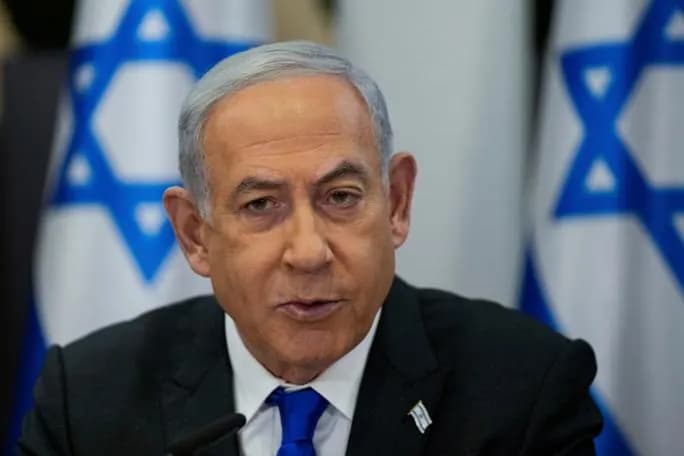
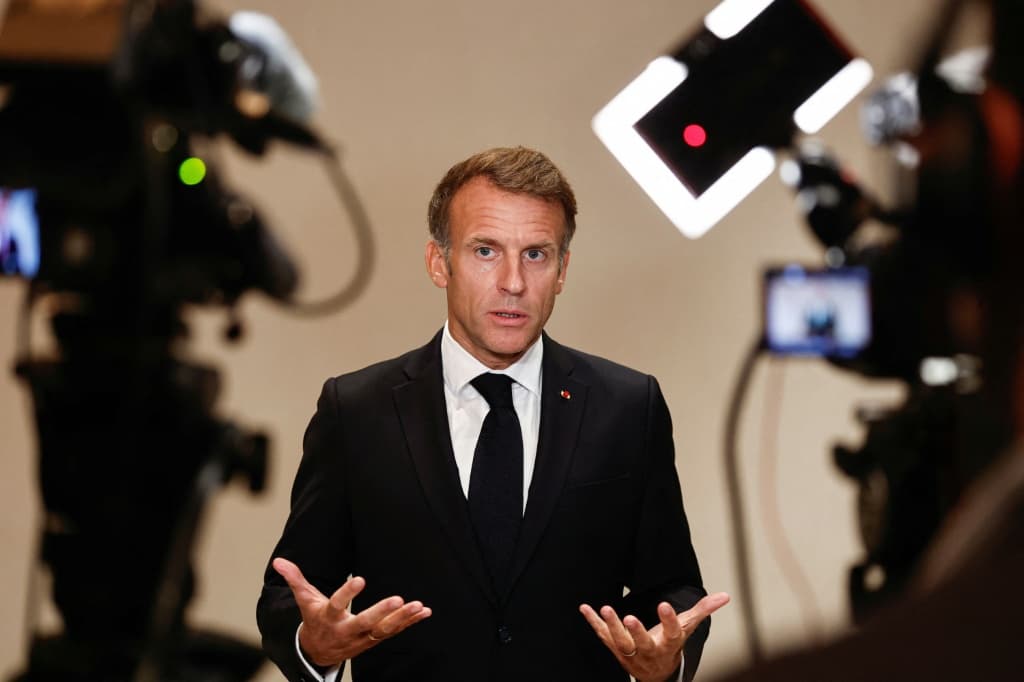
French President Emmanuel Macron, speaking in Doha during a visit to Qatar, criticized world leaders who, according to him, are campaigning 'at France's expense,' making 'unacceptable and even stupid comments' about the unrest of the past weekend. He did not name names, but according to Euronews and AFP, he meant US President Donald Trump and Israeli Prime Minister Benjamin Netanyahu. 'There are people who are campaigning at France's expense — leaders in campaign mode, whether here, in the region, or across the Atlantic,' Macron said.
Statements by Trump and Netanyahu
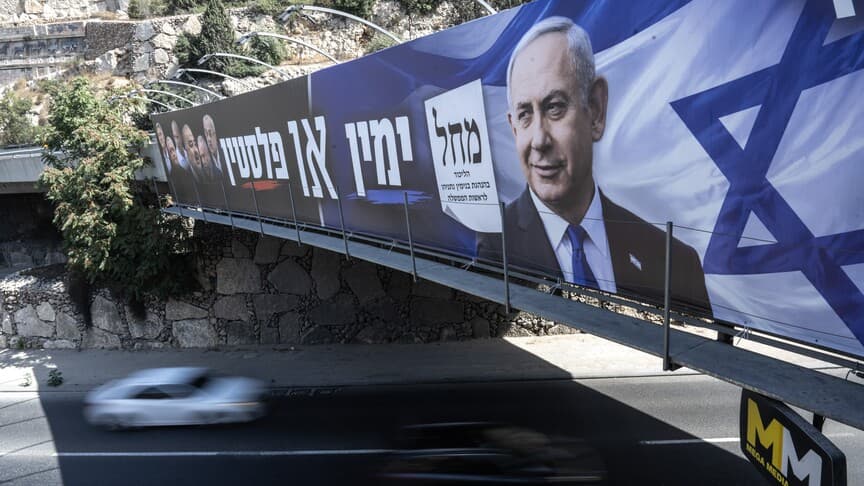
Trump, campaigning ahead of the November midterm elections, said on Monday that France is 'besieged, looted and set on fire by migrants, jihadists and communists,' and that 'what is happening in France is connected to immigration.' He also called Marine Le Pen, the favorite of next year's French presidential election according to AFP, a 'conservative voice.' Netanyahu, who faces elections this month, said on Tuesday that France has been subjected to an 'invasion of extremist Islam.'
AI fakes and denial of foreign interference
Macron rejected claims that the unrest was the result of foreign interference, but condemned 'subsequent external manipulation of information.' According to him, leaders 'sometimes gullibly' repeated AI-generated material: 'We saw AI-generated images showing scenes that never happened in France. We had people explaining that the country was attacked by hordes of migrants and Islamists — which is absolutely false.' He added: 'At moments like these, you can see who loves France and who does not.'
Context of the unrest
Mass demonstrations against the rising cost of living, organized by trade unions, the 'yellow vests' movement and students, took place across France mostly peacefully, but large-scale looting and clashes with police overshadowed the actions. Some of the worst urban unrest in recent years erupted on Saturday, October 17. The government has already admitted that it failed to cope with the situation on that day. Macron was criticized at home for traveling to the Middle East at such a moment and for his address to the nation on Sunday, which, critics believed, contained no clear path forward. Before returning, he said: 'There must be no signs of feverishness. I am fulfilling my role. I am at my post.'
Emergency measures
Macron announced that on Thursday he would convene an emergency meeting with ministers and intelligence chiefs to receive a 'detailed report' on the events of October 17. On Monday morning, an 'action plan' was presented, including a curfew and restrictions on mass gatherings, which will remain in force ahead of new protests scheduled for October 24. 'Those who intend to sow disorder in city centers on Saturday will be prevented from doing so,' he said. Macron stressed the importance of dialogue with trade unions and political forces and stated that 'there is no such thing as legitimate violence': 'In a democracy, nothing justifies violence.'
Energy visit to the Gulf
The state visit to Qatar is part of Macron's three-day trip to the Gulf countries, intended to secure energy supplies for France amid the cost-of-living crisis that became one of the causes of the unrest. On Tuesday, he announced that the UAE and Bahrain had pledged to supply France with an additional total of 200,000 tons of diesel fuel per month.