The key facts
- The al-Shib crossing was closed from 6:00 on October 21 until further notice by decision of Prime Minister Ali al-Zaidi
- The reason is a review of security measures and the installation of equipment to detect smuggling
- Iran says it was not notified in advance; trade between the two sides exceeds $10 billion a year
Closure of the crossing
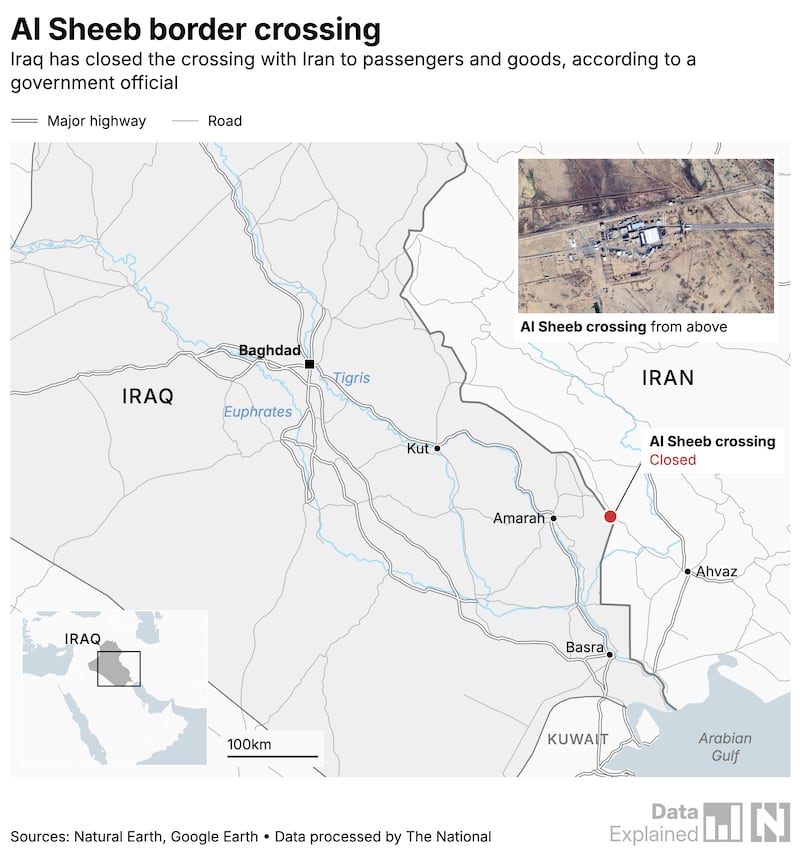
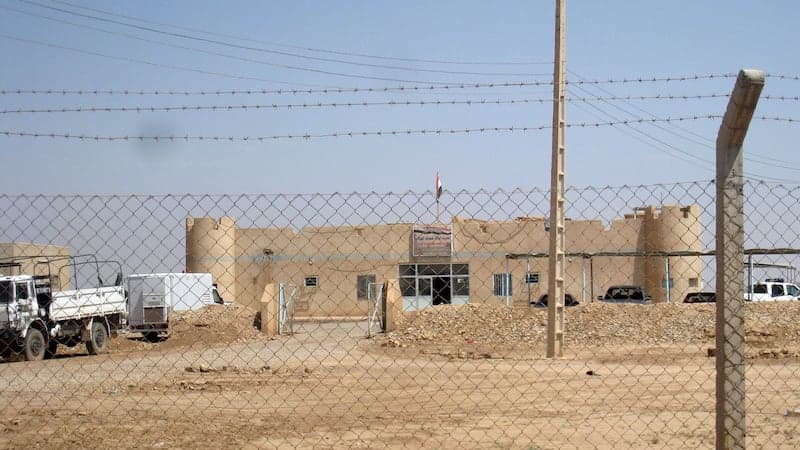
Iraq has closed the al-Shib border crossing on the border with Iran to travelers and goods. According to a government official quoted by The National, the closure took effect at 6:00 local time on Wednesday, October 21, and will remain in force until further notice. The decision was made on the direct instruction of Prime Minister Ali al-Zaidi in order to 'review security measures inside the crossing.'
Official explanations
A spokesman for the border services told Reuters that the closure is connected with a security check and the installation of equipment to detect smuggling of prohibited goods. There has been no official statement from the Prime Minister's Office so far on the scale and duration of the closures.
Importance of the crossing
Al-Shib is located in the southeastern province of Maysan and is one of the main commercial points between the two countries: food products and construction materials are transported through it, and Iranian pilgrims travel through it to the shrines in Najaf and Karbala. According to a government source, other crossings with Iran may be closed gradually. If Shalamcheh, Zurbatiyah and Mandali are also closed, this would significantly disrupt Iraqi-Iranian trade, which exceeded $10 billion last year.
Tehran's reaction
Iranian state media reported that Tehran was not notified in advance of the closure of al-Shib. According to the official spokesman of the Iranian Interior Ministry, Ali Zeinivand, the matter is being studied. He noted that a temporary closure of crossings for several hours for security reasons 'is considered normal practice' and in such cases does not require prior notification, however, under an agreement between Iran and Iraq, a closure of more than one day requires advance notice. 'Closing the borders creates more problems for Iraqi traders and economic actors, and their negative consequences are stronger for the other side,' Zeinivand said, adding that he hopes for a resolution following the investigations.
Economic and political consequences
The closure is likely to lead to higher prices for basic goods, especially fresh produce and Iranian construction materials, which dominate southern markets. The decision may provoke discontent among pro-Iranian political forces: critics within the Coordination Framework — the largest Shia parliamentary bloc, uniting mainly pro-Iranian factions — argue that closing commercial crossings effectively enforces American sanctions against Tehran and harms the border provinces that depend on trade with Iran. Supporters of the decision believe that Baghdad needs to strengthen control at the border and diversify imports. Earlier, in September, Iraq had already temporarily closed the Shalamcheh crossing as a precautionary security measure after drone attacks on Saudi Arabia.