The key facts
- Before the New Year the dollar may fall to 80 rubles and the euro to 90 rubles, according to Alexander Bakhtin of Garda Capital
- Supports for the ruble named were geopolitics, high oil prices, tight monetary policy, and currency sales by exporters ahead of tax payments
- In late December a pullback is possible: the dollar to 83–84 and the euro to 93–94 rubles due to pre-holiday demand
Forecast of ruble strengthening
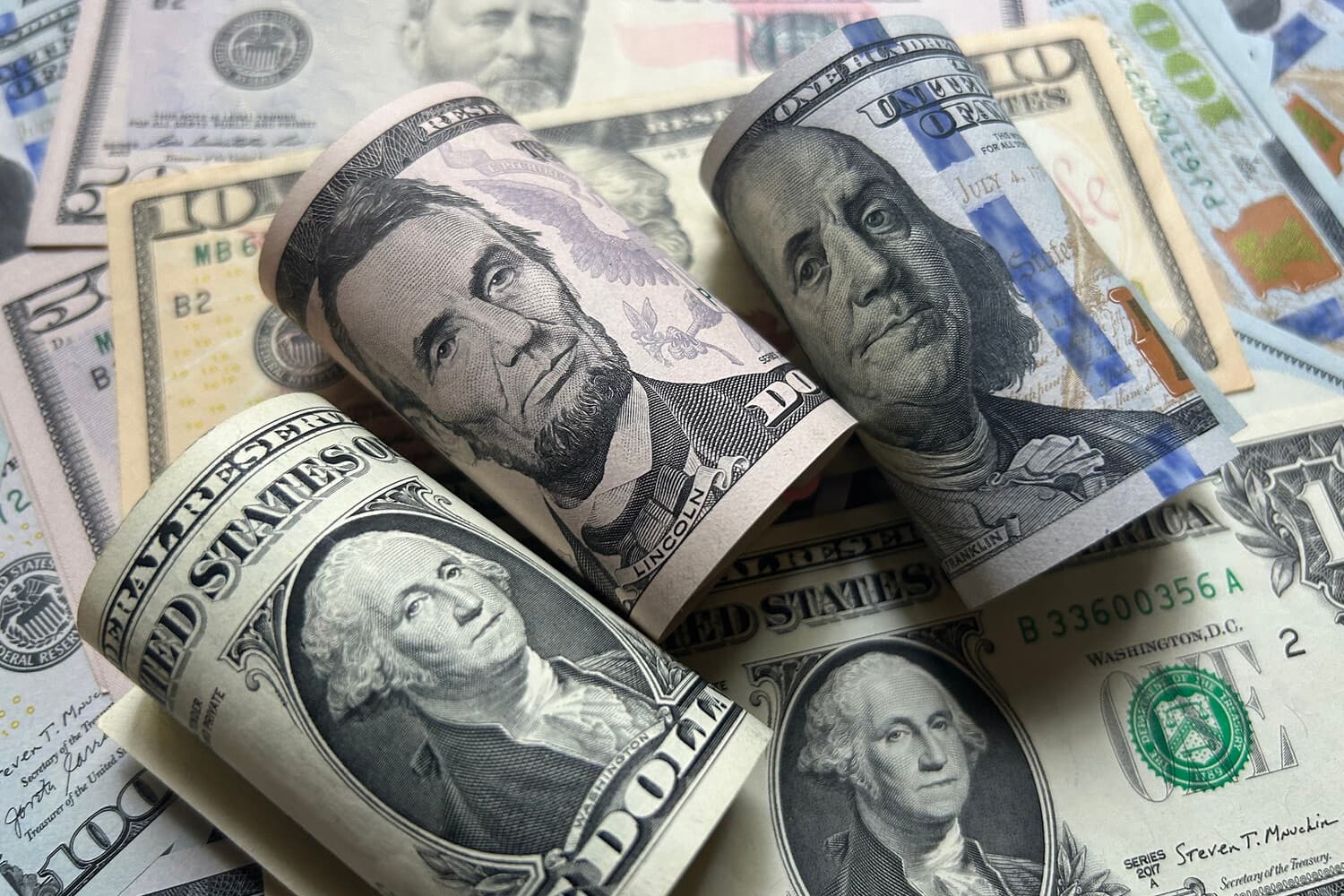
Before the New Year, the dollar may fall to 80 rubles and the euro to 90 rubles. Garda Capital investment strategist Alexander Bakhtin gave this forecast in a comment to Gazeta.Ru. According to him, this is possible, 'especially if progress in geopolitics continues,' while current high oil prices will support the ruble in the remaining months of the year.
Factors supporting the ruble
The expert noted that an improvement in the geopolitical backdrop reduces demand for foreign currency and increases interest in ruble-denominated securities, whereas an escalation of the situation could push market participants toward buying currency. Bakhtin named tight monetary policy as another pillar of the ruble: in his forecast, the Bank of Russia will not change the key rate in either October or December, which will preserve the attractiveness of ruble savings and restrain lending, including for import purchases. Additional currency supply, in his assessment, is provided by exporters ahead of tax payments, including the quarterly tax on excess income.
Possible pullback in late December
In the last weeks of December, Bakhtin allows for a reverse movement of the exchange rate: at the peak of pre-holiday demand from households and businesses, the dollar may return to 83–84 rubles and the euro to 93–94 rubles, meaning the Russian currency risks losing part of its strengthening.