The key facts
- Fidan: the 2019 Turkey-Libya agreement is 'fully legitimate' legally and politically
- He called the approval by the Libyan House of Representatives an act of acceptance, not ratification
- In Brussels, Fidan also held meetings with the leadership of Belgium, NATO and the EU
Assessment of the agreement with Libya
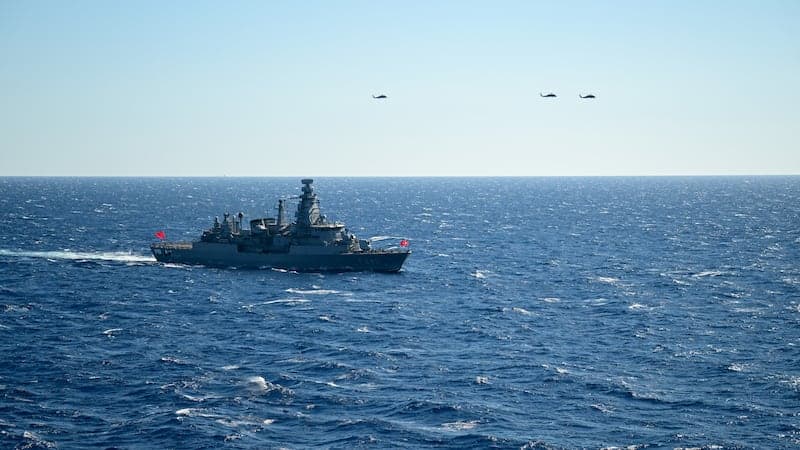
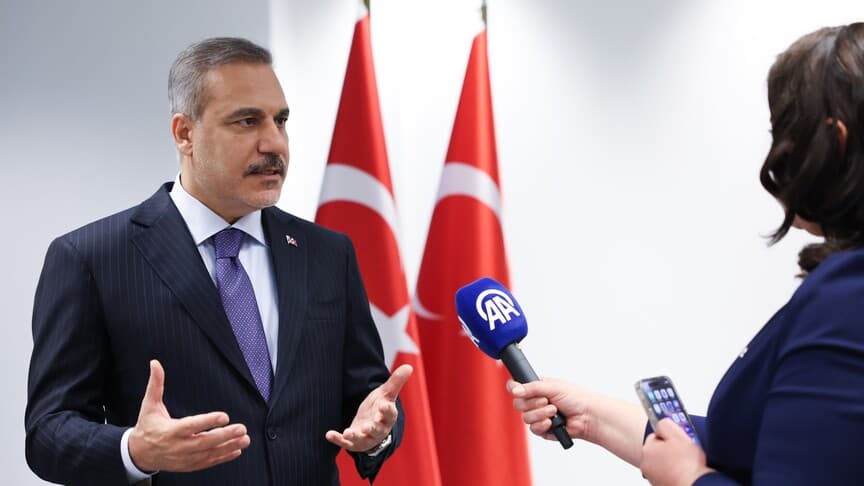
Turkish Foreign Minister Hakan Fidan, speaking in Brussels on Wednesday, said that the 2019 maritime agreement between Turkey and Libya is 'fully legitimate' both in terms of international law and politically. 'It is a fully legitimate agreement both legally and politically. There is no need to challenge it,' he said in an interview with Anadolu. His comments followed the approval by the Libyan House of Representatives of the memorandum of understanding on the delimitation of maritime jurisdiction areas between the two countries. Fidan characterized this as a diplomatic achievement of the foreign policy conducted under the leadership of President Recep Tayyip Erdogan, and emphasized that the agreement reflects Ankara's principles — support for peace and stability through mutually beneficial cooperation. 'The trust that our Libyan brothers have placed in Turkey, as well as the stability that this agreement will bring to the Eastern Mediterranean, are of enormous importance,' he noted.
Reactions of other countries and the legal position
Commenting on the reactions of other states, Fidan said that some governments reacted because they 'felt obliged' to do so, while others have genuine strategic concerns about it. According to him, Turkish legal experts consider the agreement valid from the moment of its signing in 2019 thanks to its legal structure. 'In the opinion of our jurists, what happened in the Libyan House of Representatives was in essence an act of acceptance, not ratification,' the minister explained, adding that Turkey regards the document as an agreement in force since 2019. He also confirmed Ankara's readiness to continue diplomatic initiatives in the interests of peace, security, stability and prosperity in the Mediterranean.
Meetings in Brussels
Fidan said that in Brussels he held an 'intensive series of meetings' devoted to Turkey's relations with Belgium, NATO and the EU. Bilateral and regional issues were discussed with his Belgian counterpart; a meeting was also held with the participation of the foreign, justice and interior ministers of the two countries — Turkish Justice Minister Akin Gurlek and Interior Minister Mustafa Ciftci took part in it. Fidan called the consultation mechanism established in 2016 highly useful. He recalled the visit of Queen Mathilde of Belgium to Turkey with a large economic and trade delegation, which, according to him, took bilateral relations to a new level. With NATO Secretary General Mark Rutte, they discussed Turkey's relations with the alliance, the implementation of the decisions of the NATO summit in Ankara in July, the Russia-Ukraine war, the situation in the Persian Gulf region, NATO institutional issues and crisis zones. At the meeting with the EU's chief diplomat Kaja Kallas, they talked about obstacles in Turkey-EU relations, as well as the Russia-Ukraine war, the Strait of Hormuz and the Bab el-Mandeb Strait, energy problems and disruptions in grain supplies from the Black Sea. In addition, Fidan held extensive talks with European Commission President Ursula von der Leyen on trade, political relations and Turkey's EU candidate status, noting the need for 'substantive, well-planned and persistent' discussions on these topics.