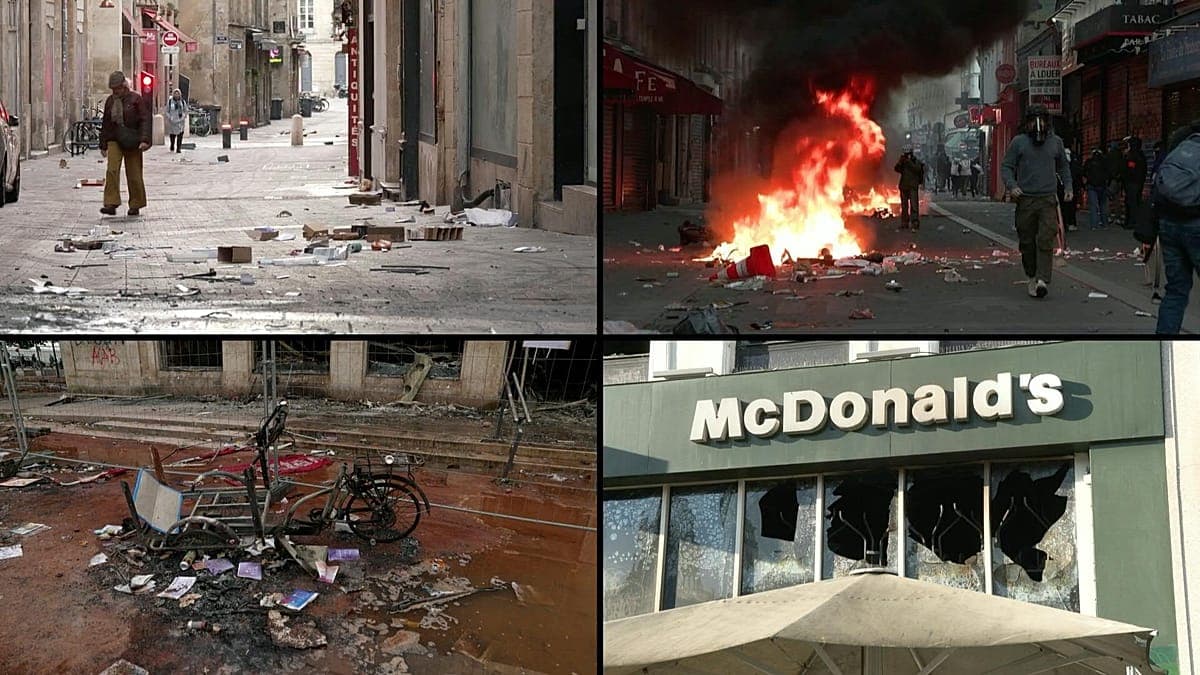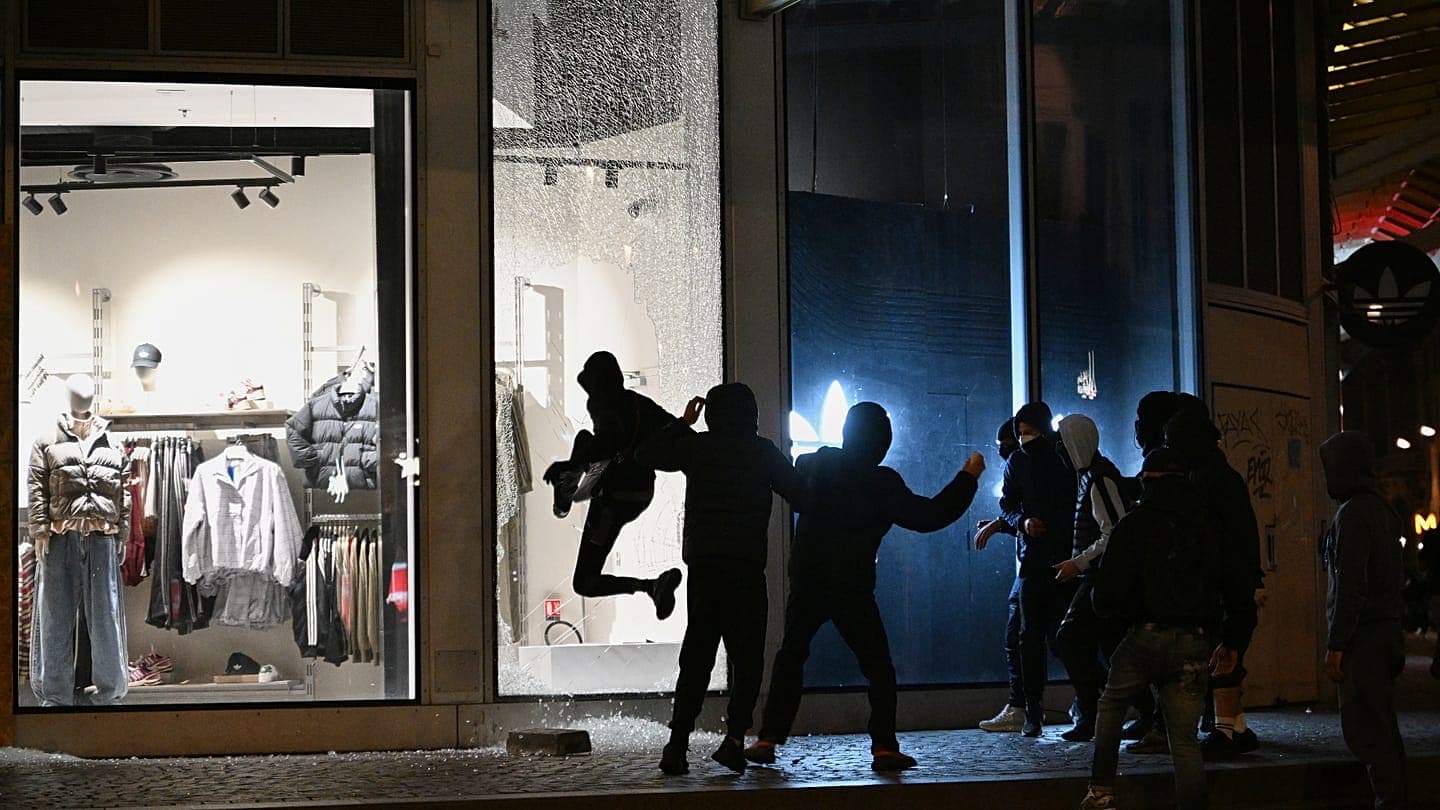
The key facts
- Prime Minister Lecornu accuses 'small far-left groups' of planning 'uprisings'; Mélenchon (LFI) denies involvement and blames the government
- More than 3,000 stores were looted, according to French reports; online sales platforms will help authorities identify looters
- Marine Le Pen, leading in the polls, used the events in a campaign video; the election is six months away
What Happened
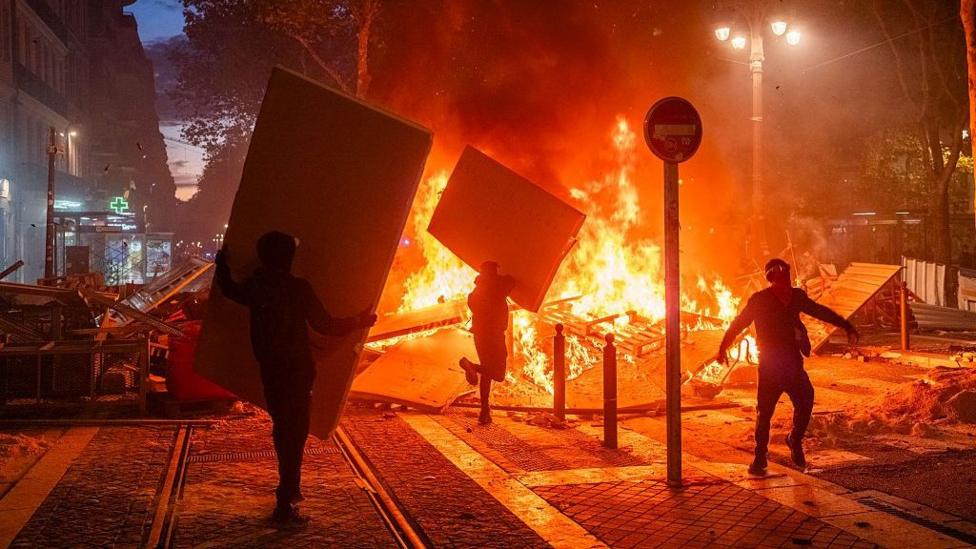
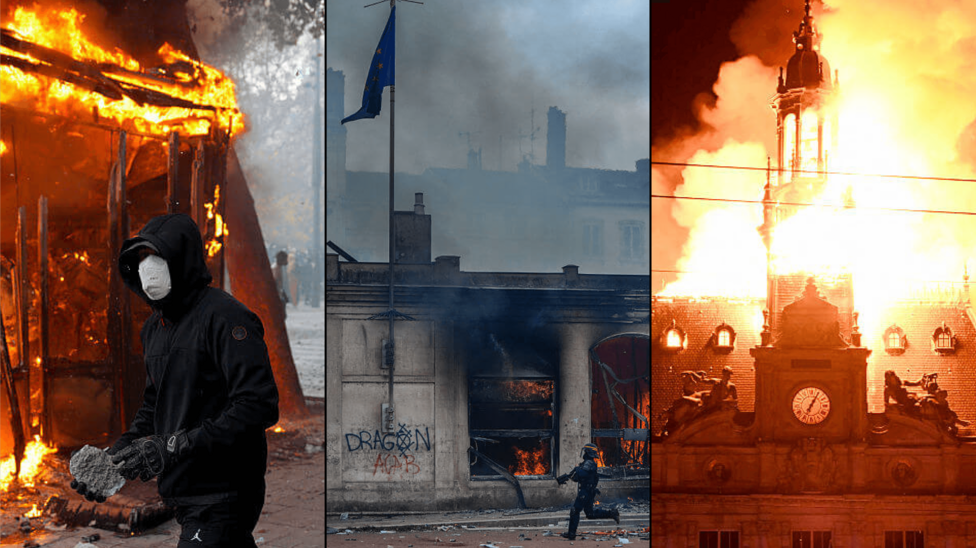
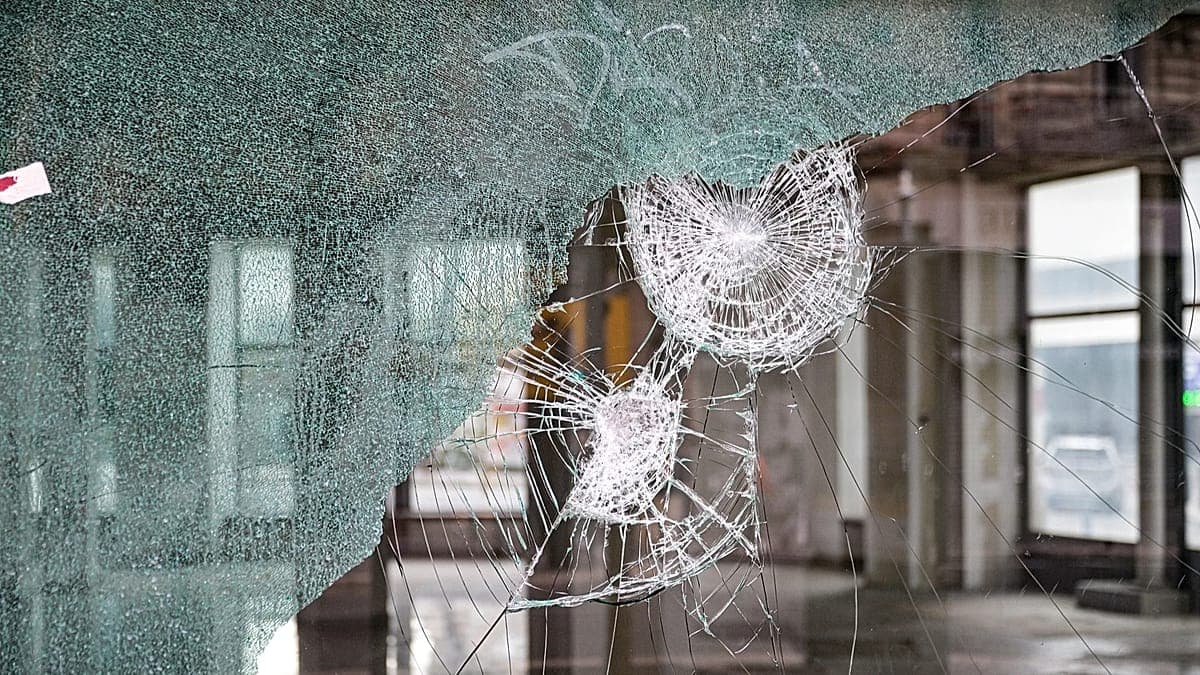
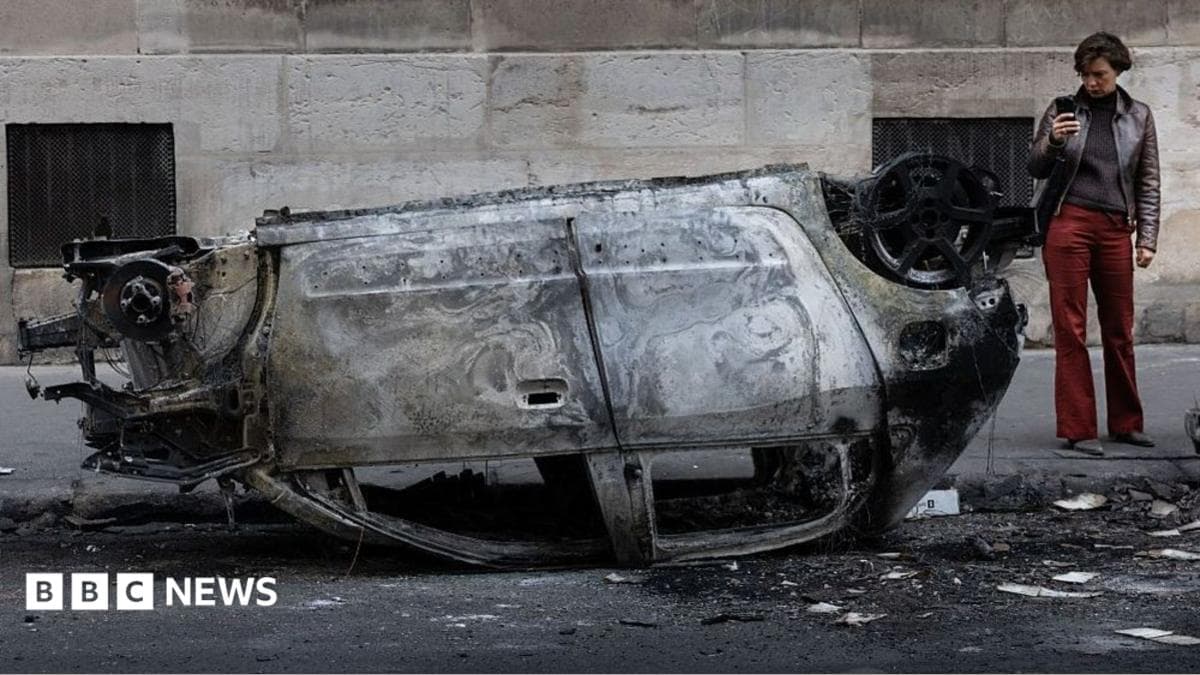
On October 17, mass protests took place in France that turned into riots: according to French reports, more than 3,000 stores and businesses were looted. Some looters, without hiding their faces, immediately tried to sell stolen goods online, including designer sneakers. Online platforms declared their readiness to cooperate with the authorities to find the robbers; police are examining camera and social media footage, and President Macron promised to hold all those responsible to account. Similar protests also broke out in Belgium, Italy, Portugal and Albania.
Who Is to Blame: The Authorities' Versions
Prime Minister Sébastien Lecornu and Interior Minister Laurent Nuñez pointed to the 'hard left': Nuñez said they were 'pouring oil on the fire,' and Lecornu on Tuesday spoke of 'uprisings' planned by 'small far-left groups,' having earlier accused the 'far left' of exploiting student demonstrations. French intelligence informed the government as early as the beginning of the month about the participation of anarchist groups in student protests; their symbol — a capital 'A' circled in black — was spotted on buildings. The intelligence report of September 29, published by Le Figaro, describes the 'manipulation' of student demonstrations by trade unions and left-radical movements and suggests that 'La France Insoumise' (LFI) is using violence as an electoral strategy ahead of the 2027 elections. National Assembly Speaker Yaël Braun-Pivet proposed a parliamentary inquiry into the organization of the riots.
The Response of LFI and the Students
LFI leader Jean-Luc Mélenchon, who ranks second in most polls, categorically rejected the accusations. He took part in the planned Saturday action; politicians from his movement had been present at student demonstrations since they began a month ago in the Paris suburbs with demands for better public education. Mélenchon accused the centrist prime minister of 'responsibility for the chaos' — 'through incompetence or by the worst-case scenario' — and made it clear that he may have allowed the violence to develop in order to appear as the 'party of order' and distract from the failure in public finances. Liza Korda of the student union FSE called it 'insulting' to suggest that students are being manipulated by anyone: 'Student anger comes from below.'
Social Media and Belgium
Former Prime Minister Gabriel Attal, a contender for the presidency, called for selective social media shutdowns to stop the violence following reports of incitement through posts. Belgian Interior Minister Bernard Quintin warned of the 'TikTok-ization' of violence — the wide spread of riot videos among impressionable youth — and also blamed the riots in Brussels and Liège on 'well-known far-left groups.'
The Political Context
Six months before the presidential election, the events instantly flowed into the election campaign. Marine Le Pen (National Rally), confidently leading in the polls, released a video address on Sunday, naming Mélenchon and his supporters who 'seek to plunge the country into chaos,' and accusing Macron's government of being 'exhausted,' with France having become 'a hostage between violence and powerlessness.' Her party, like Donald Trump and JD Vance, named migrants among the causes of the chaos. Local residents are also divided in their assessments: the conservative mayor of Limoges, Guillaume Guérin, blamed LFI, which denies it.
The Police and the Roots of the Protest
Macron demanded explanations about intelligence failures and a new police strategy. The interior minister admitted a shortage of police on the streets, even though the protests had been announced in advance; after accusations of harshness at previous actions, the police, according to a BBC assessment, turned out to be unprepared. Many French people insist on distinguishing between peaceful protesters and the instigators of violence. Teacher Mar noted that the violence 'plays into the hands of politicians' and distracts from weeks of legitimate protests for better public services. Pew polls this year show: 69% of the French are dissatisfied with democracy (in Spain — 68%, in Italy and the US — 62% and 69% respectively). Young people cite among the causes the rising cost of living, the degradation of public services, climate, inequality, unaffordable housing and the threats of AI in the labor market.
 Image source, AFP via Getty Images
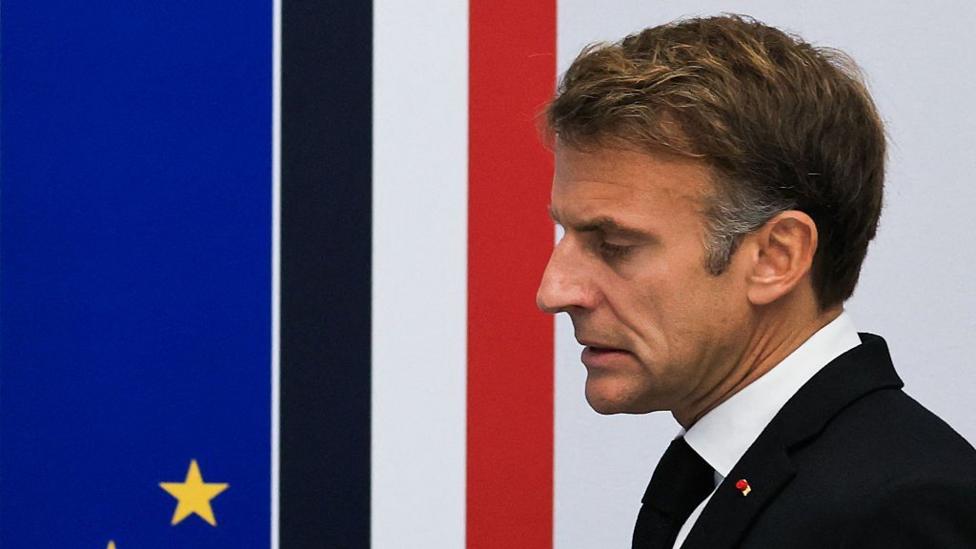
The French prime minister has blamed far-left groups for planning some of the violence
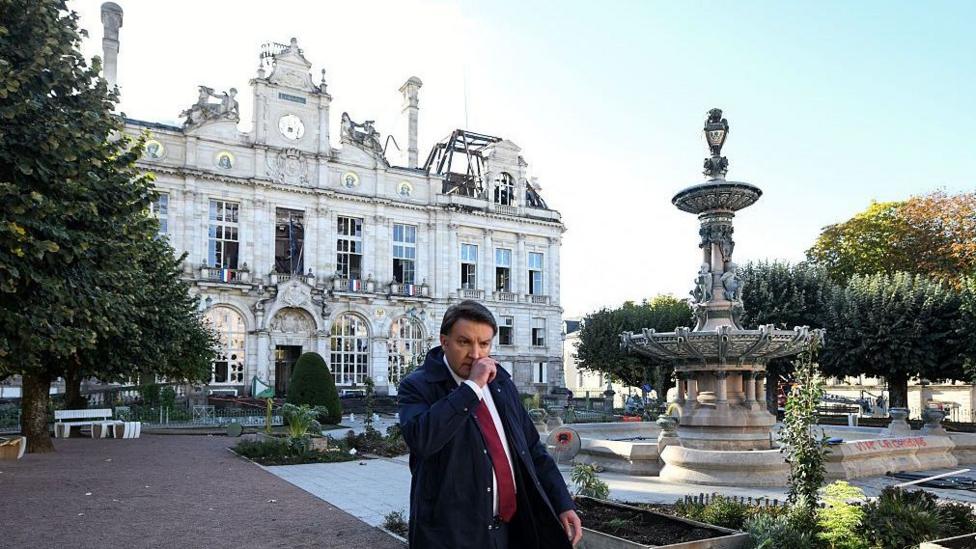 Image source, AFP via Getty Images
The conservative mayor of Limoges Guillaume Guérin blamed the radical left LFI for the chaos in his city, which the party denied