The key facts
- Batteries in safety sensors drain even in standby mode due to standby current and self-discharge
- The expert advises replacing the entire set of batteries at once and not mixing new and used cells
- The battery type (alkaline AA, AAA, C, 9V or lithium) must be chosen strictly according to the manufacturer's instructions
Batteries drain charge even in 'sleep' mode
Smoke, water leak, gas leak sensors and security alarms can remain idle for years, but that does not mean the batteries inside are not consuming energy. Gazeta.Ru was told about this by Yulia Sergeeva, technical expert at Camelion, a manufacturer of lighting and energy solutions for the home. Any battery works through a chemical reaction inside the cell: as it proceeds, the supply of active substances decreases, and with it the ability to deliver energy. Even a small standby current gradually drains the charge — a smoke sensor must regularly monitor its environment and consumes energy even when nothing appears to be happening.
Self-discharge and storage conditions
According to the expert, there is also self-discharge: chemical reactions in the cell continue to some extent even without connection to a device, so a battery loses part of its charge over time. The rate of self-discharge is affected by temperature and storage conditions.
Risks for safety systems
In an ordinary household device, a dead battery is primarily an inconvenience, but in safety systems we are talking about real risks. A smoke, gas leak or water leak sensor ideally stays silent for months and even years, but at the critical moment it must go off. The absence of alarm signals does not mean the device can go unchecked: such systems should be regularly tested in accordance with the manufacturer's instructions, and when a low-charge warning appears, the power cell should be replaced promptly.
Which batteries to use
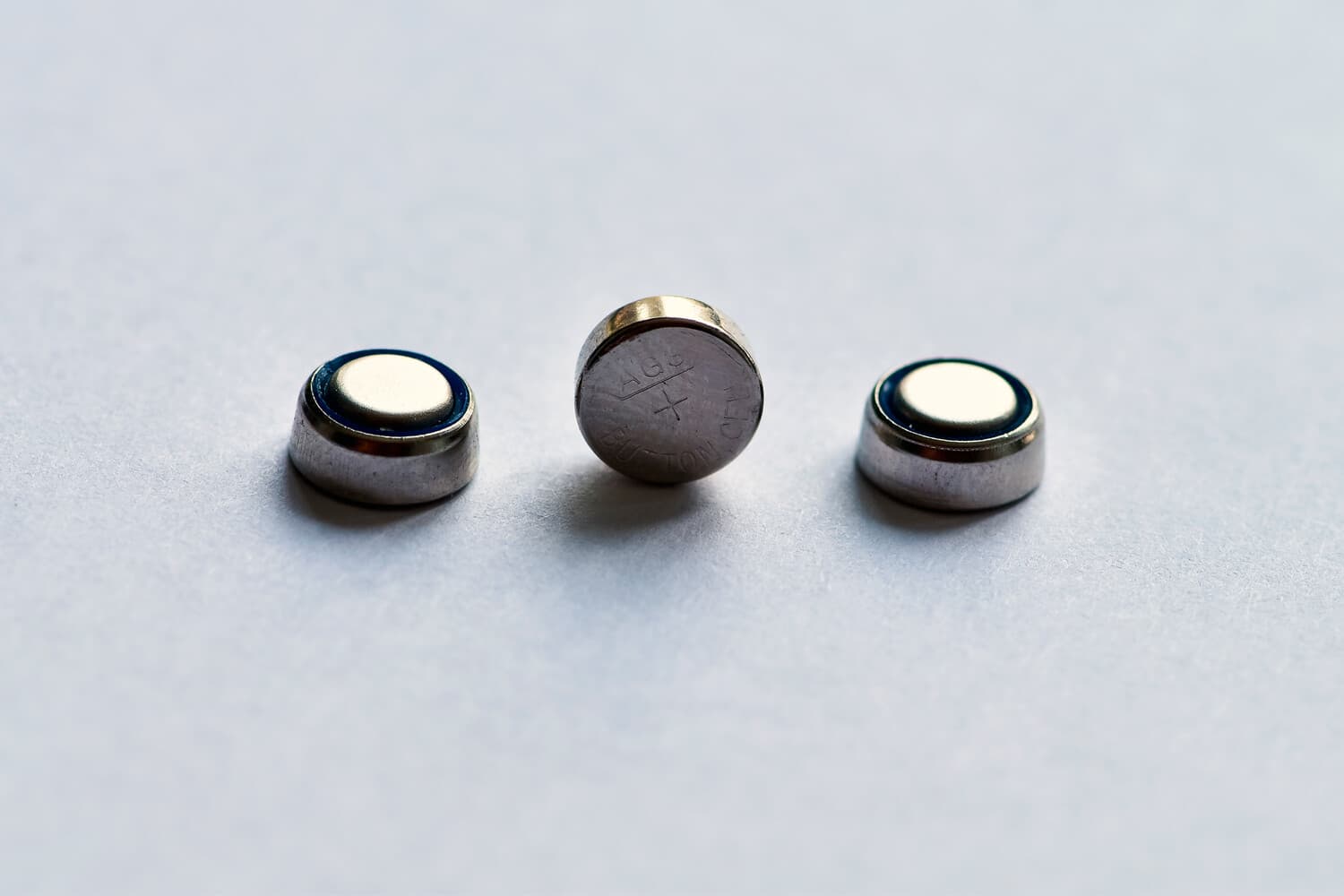
Standalone smoke sensors and other small safety systems often use alkaline batteries of AA, AAA, C or 9V sizes, while more modern devices use lithium cells. The specific type must be chosen according to the instructions: installing a battery of a different voltage or an unsuitable format is not allowed. Alkaline cells are suitable for devices with stable power consumption, while lithium ones have higher energy capacity and perform well in extreme conditions. A battery's operating life and its shelf life are not the same thing: when buying, one should check the manufacturing date or expiration date.
Expert's replacement tips
'The first rule is to use power cells of the type and format specified by the device manufacturer. Do not install new batteries together with ones that have been in use, and do not mix cells of different types. If a device uses several batteries, it is usually better to replace the entire set at once: cells with different charge levels have different characteristics, which can cause the device to work unstably,' noted Sergeeva.