The key facts
- High ruble rates reduce demand for currency, while exporters sell revenue to pay taxes
- Expectations of an improvement in the geopolitical situation push the market to reduce currency positions
- The euro is under double pressure: ruble strengthening and weakening against the dollar (about $1.12 per ECB data as of October 20)
Reasons for the decline in exchange rates
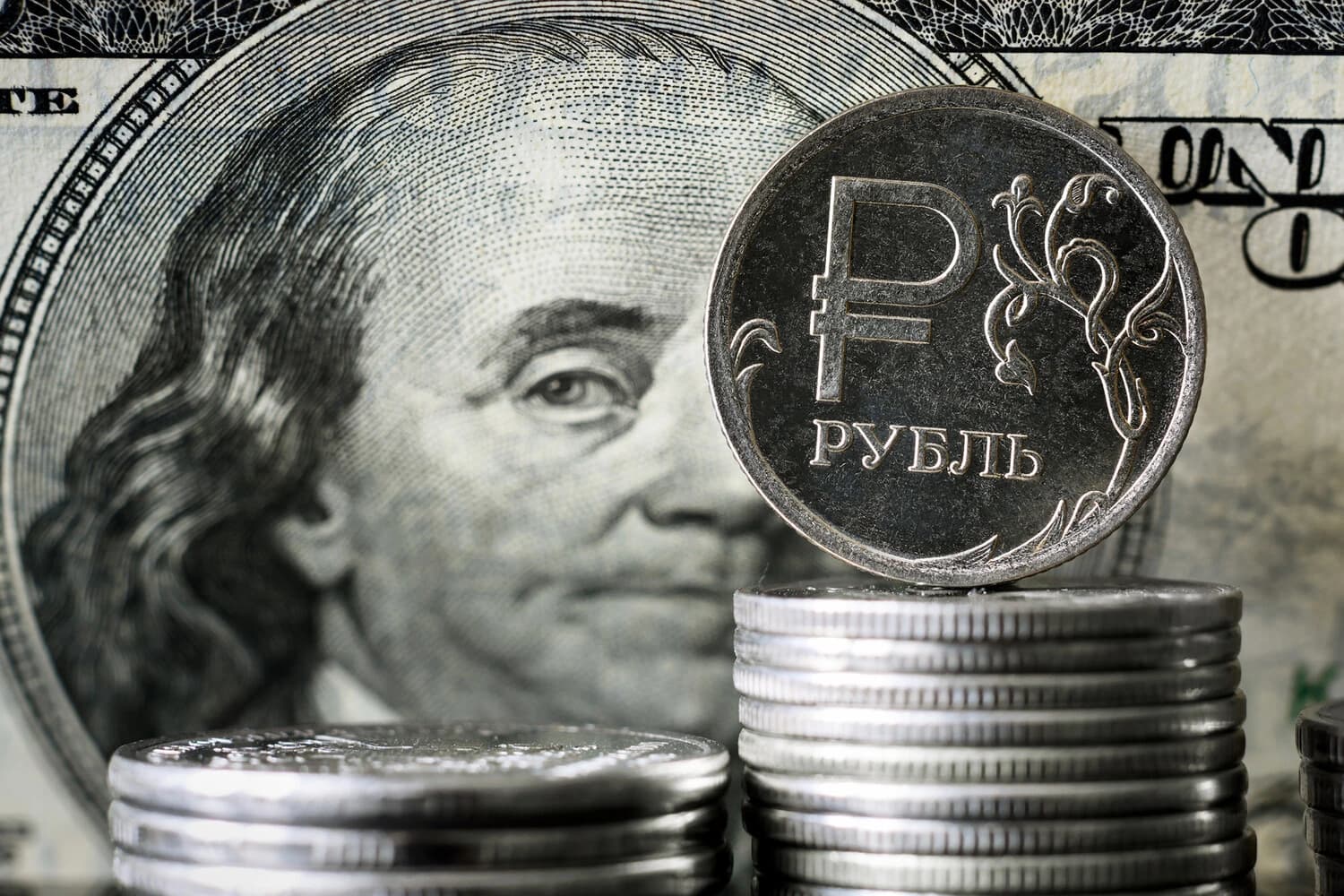
The decline in the dollar and euro exchange rates against the ruble is linked to high ruble rates and expectations of an improvement in the geopolitical situation. This was told to Gazeta.Ru by investment adviser from the Bank of Russia registry Yulia Kuznetsova. She emphasized that the reasons for exchange rate movements should be divided into fundamental and emotional ones.
Fundamental factors
Fundamental factors include the ratio of foreign currency supply to demand for it. According to Kuznetsova, high rates make ruble savings more attractive and at the same time restrain lending, including purchases of imported goods, which limits demand for currency. Additional support for the ruble at the end of the month may come from exporters selling their foreign currency revenue to pay taxes.
Emotional factor and risks
“The emotional factor is expectations of an improvement in the geopolitical situation. Positive news may prompt market participants to reduce currency positions. But here it is important to distinguish between expectations and actual agreements: strengthening on news can quickly reverse if expectations are not met,” Kuznetsova warned.
Pressure on the euro
The euro is additionally affected by its weakening against the dollar. According to the European Central Bank, on October 20 the euro was worth about $1.12. Thus, the European currency, as the expert explained, is under double pressure: from the strengthening ruble and due to its own weakness against the dollar.