The key facts
- Macron: no evidence of foreign interference in the events themselves, but there was 'foreign manipulation of information' after them
- Crosetto called the riots in Milan 'hybrid warfare', Barrot said the protests were exploited by hostile narratives from Russia, China, Iran and MAGA
- The EC considers the evidence insufficient for a formal investigation under the DSA; the crisis mechanism has not been activated
Divergence between politicians' accusations and authorities' data
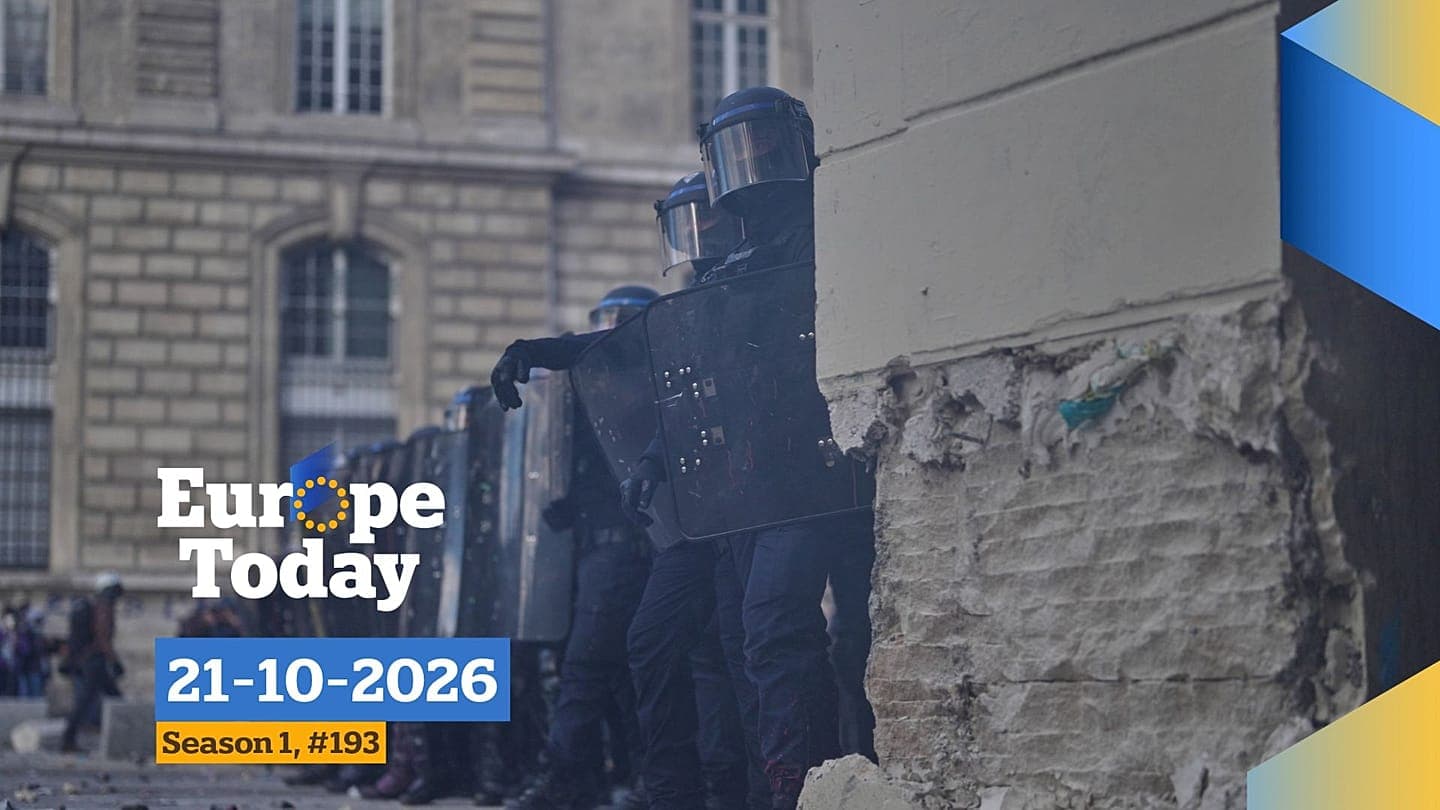
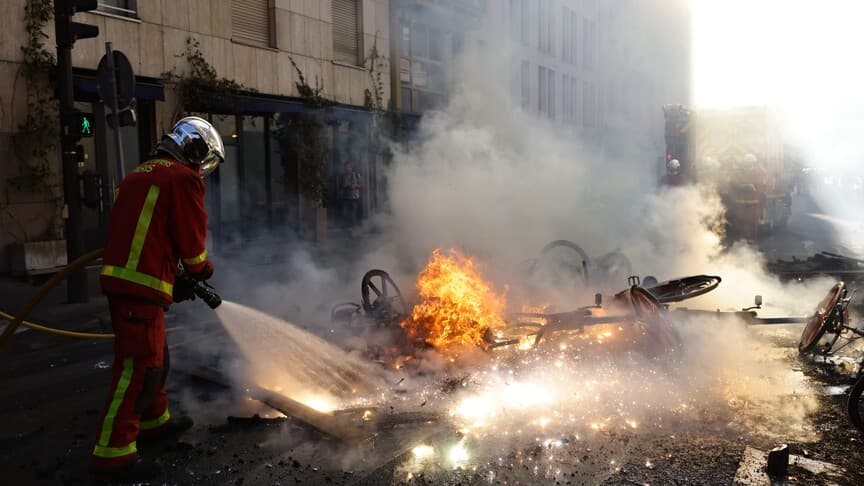
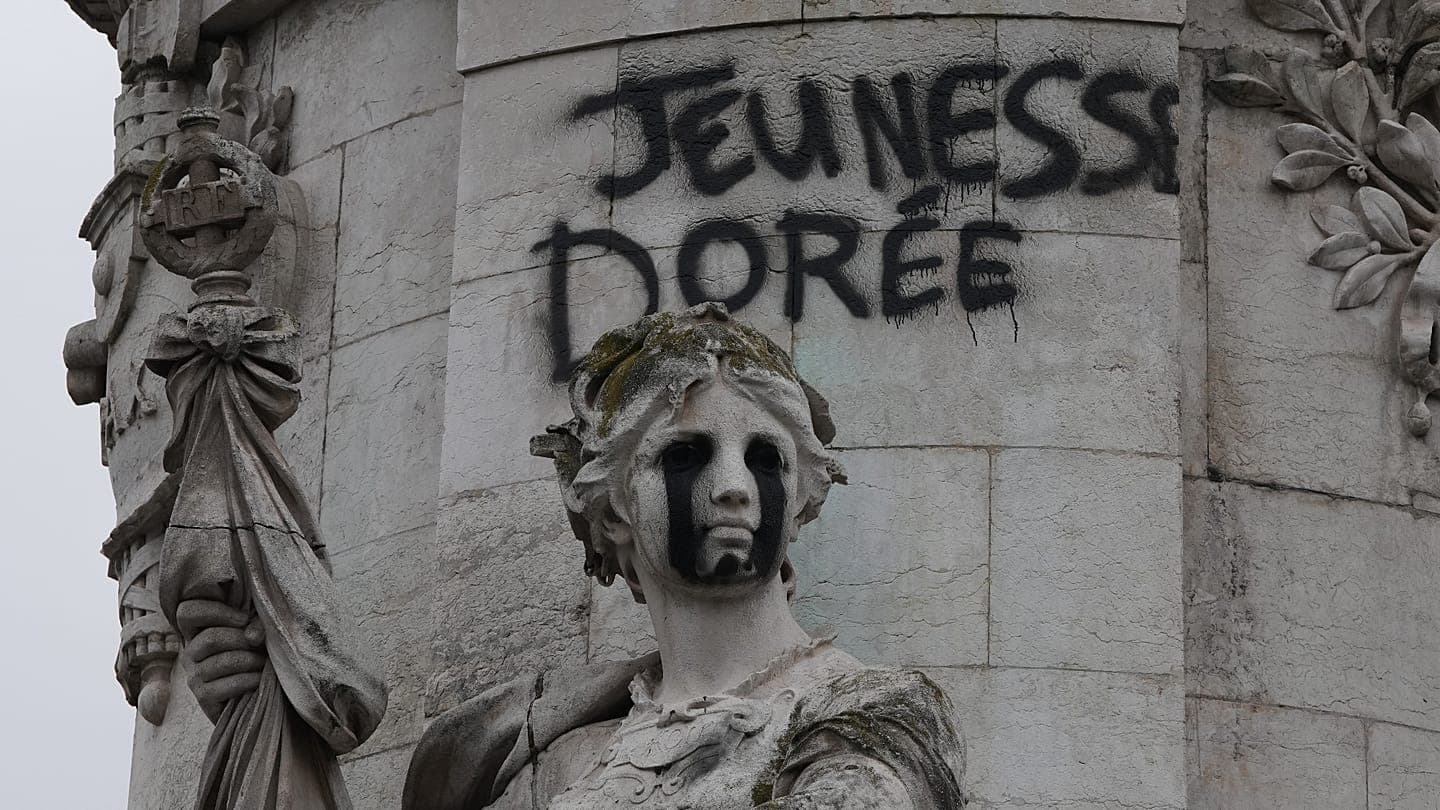
The riots that swept cities in France, Italy, Belgium and Spain have become the subject of debate over the role of foreign states. According to Euronews, there is no convincing evidence that foreign forces provoked the unrest through social media, although some actors used it to promote their own narratives. French President Emmanuel Macron, during a visit to Qatar, stated: 'There is no evidence of foreign interference in the events that took place. However, after that there was foreign manipulation of information; that is true,' adding that 'there are people running a campaign at France's expense.'
Statements by the Italian and French ministers
Italian Defence Minister Guido Crosetto, at a conference on Tuesday, called the riots in Milan 'the result of what I call hybrid warfare, which someone is waging against our countries using non-standard tools — TikTok, social media, YouTube.' French Foreign Minister Jean-Noël Barrot, at a conference under the auspices of the OECD, was more cautious: 'A few days ago, the protests by high school students in France were themselves exploited by hostile narratives coming from Russia, China, Iran and the MAGA community. We see them, condemn them and respond.'
The European Commission's position
National regulators, including France's Arcom and Italy's AGCOM, have broad powers against disinformation under the Digital Services Act (DSA) and work closely with the European Commission; their latest meeting took place on Tuesday. The regulators called on the EC to open a formal investigation, but the European Commission considers the evidence insufficient. 'We have no information or final confirmation that foreign manipulation of information is behind the events in France and elsewhere,' an EU official told Euronews on condition of anonymity. EC spokesman Thomas Regnier said: 'The situation is developing at the national level, and the Commission is certainly ready to help national authorities. Let the French authorities first do their job.'
The crisis mechanism and law enforcement actions
The DSA provides for a crisis mechanism in the event of a serious threat to public security in the EU, giving the EC emergency powers over online platforms, but it has not yet been activated. Meanwhile, law enforcement agencies are requesting data from platforms to identify participants in the riots: in France, looters tried to sell stolen goods on the Vinted marketplace, and the police turned to the platform for assistance.
Evidence of exploitation, but not provocation
There is evidence that Russia-linked disinformation networks, including those behind the Overload and Doppelgänger operations, used the violence to amplify their campaigns. However, unlike the migration crisis in Ceuta this summer, when extensive evidence showed thousands of people being mobilised by false information online, the protests in France, Italy and other countries, judging by the available data, have so far been exploited by foreign actors rather than provoked by them.