The key facts
- Trump struck a diesel deal with Putin, eased sanctions and called Zelensky a 'more difficult' partner than Putin
- European leaders condemned the US moves but continue to take part in talks in Miami and Oslo
- Experts doubt whether Europe can pursue an independent sanctions policy without the US
Washington's Sharp Course Change
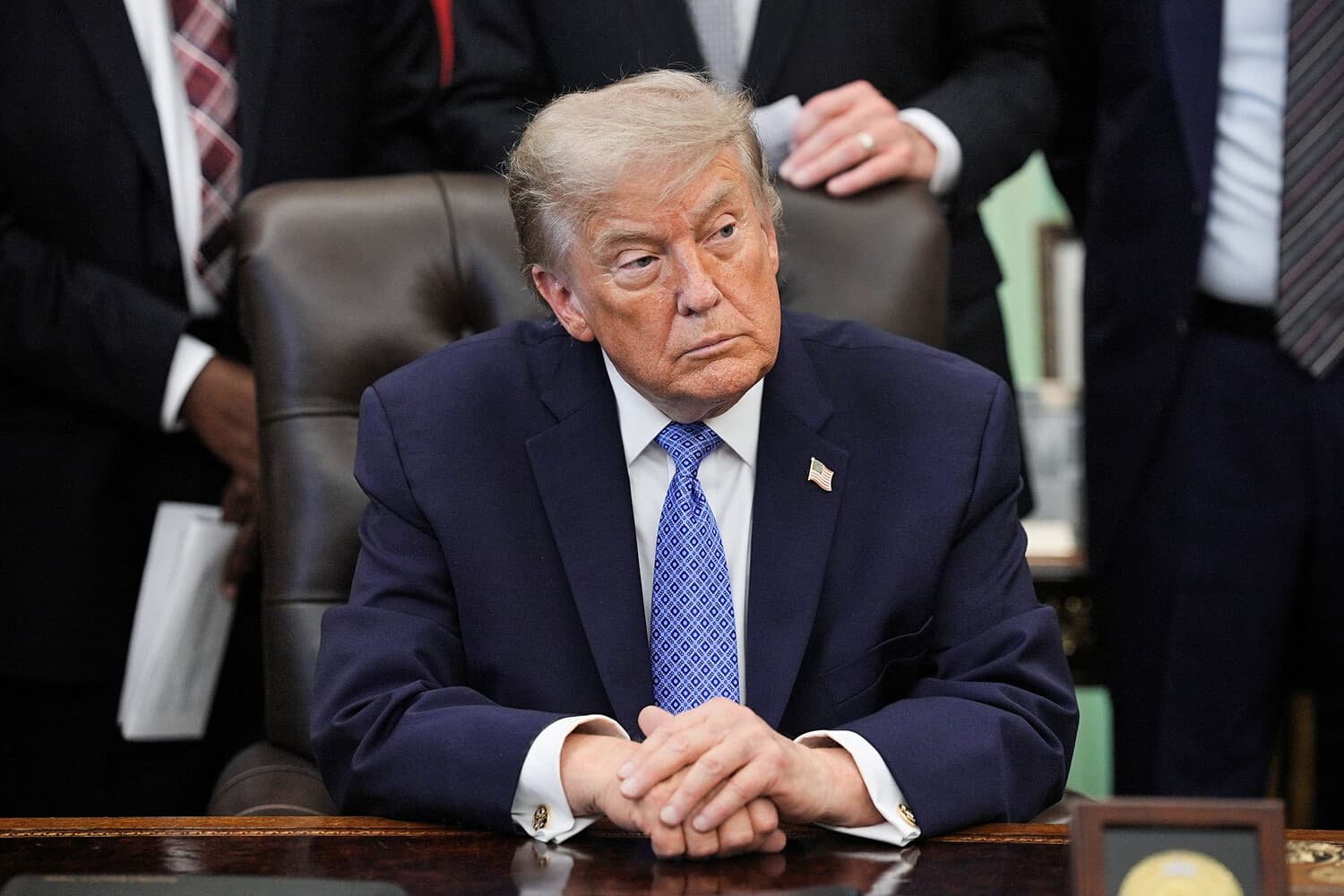
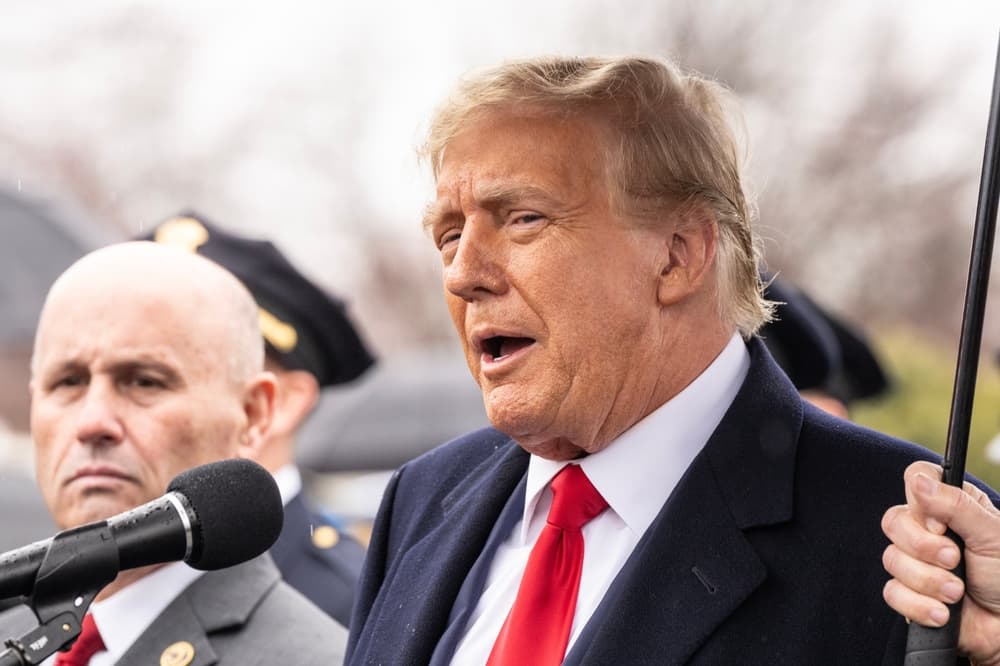
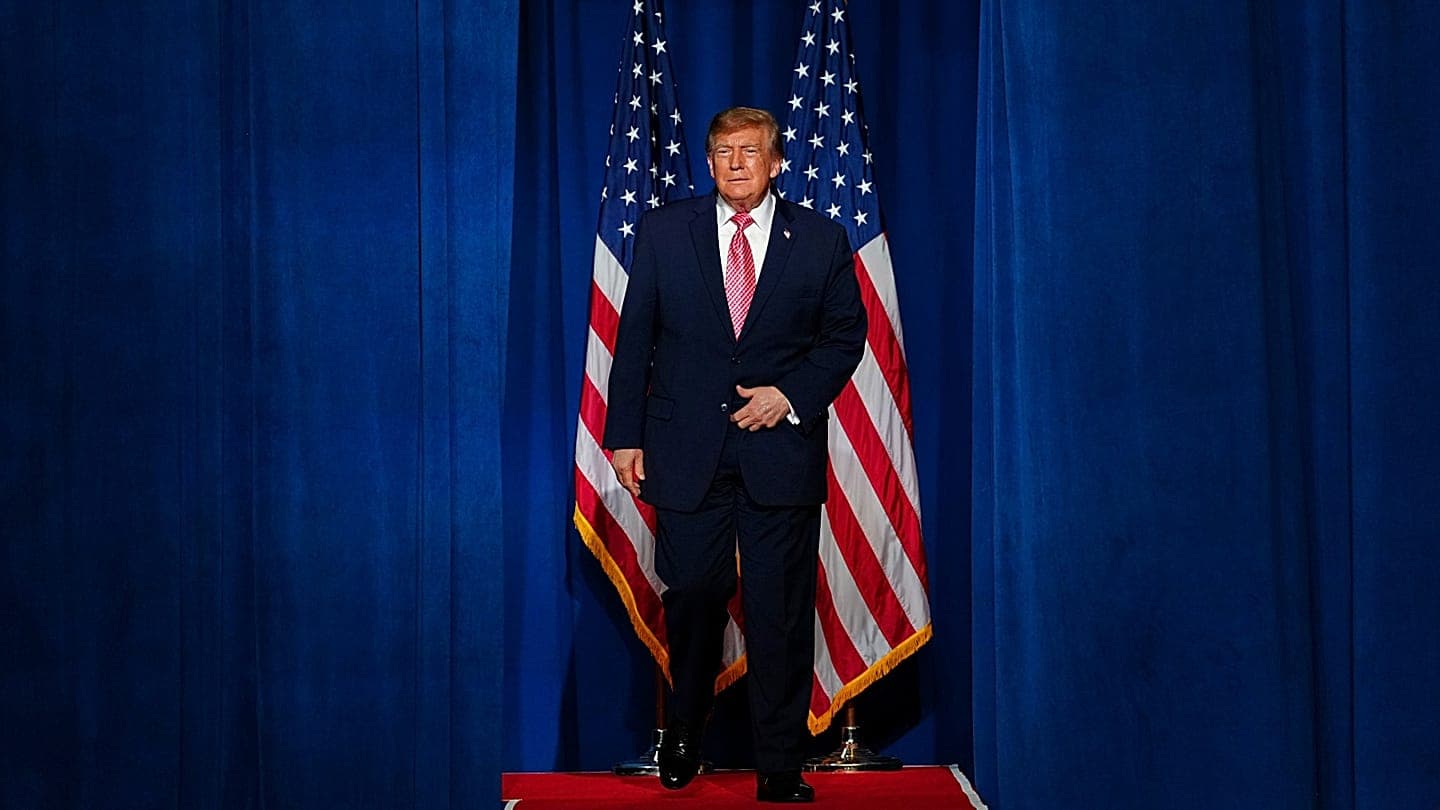
In two weeks, US President Donald Trump struck a diesel deal with Vladimir Putin, eased economic sanctions against Moscow, called for new elections in Ukraine and questioned the legitimacy of Volodymyr Zelensky, calling him a 'more difficult' partner than Putin. Zelensky called the diesel deal a 'historic mistake' and warned that agreements on gas, banking, chemicals and frozen assets could come next. Ukraine also recorded sudden restrictions on the use of Starlink and deliveries of American weapons. 'I believe steps have been taken to push Ukraine into capitulating,' Zelensky said in an interview with Bloomberg.
Concerns Over a Trilateral Meeting
Moscow's proposal for a trilateral meeting of Putin, Trump and Xi Jinping heightened fears of a behind-the-scenes deal at Kyiv's expense. 'I would do it. Not so much for Ukraine, because Russia, frankly, is fine on Ukraine,' Trump replied when asked about such a meeting.
European Criticism
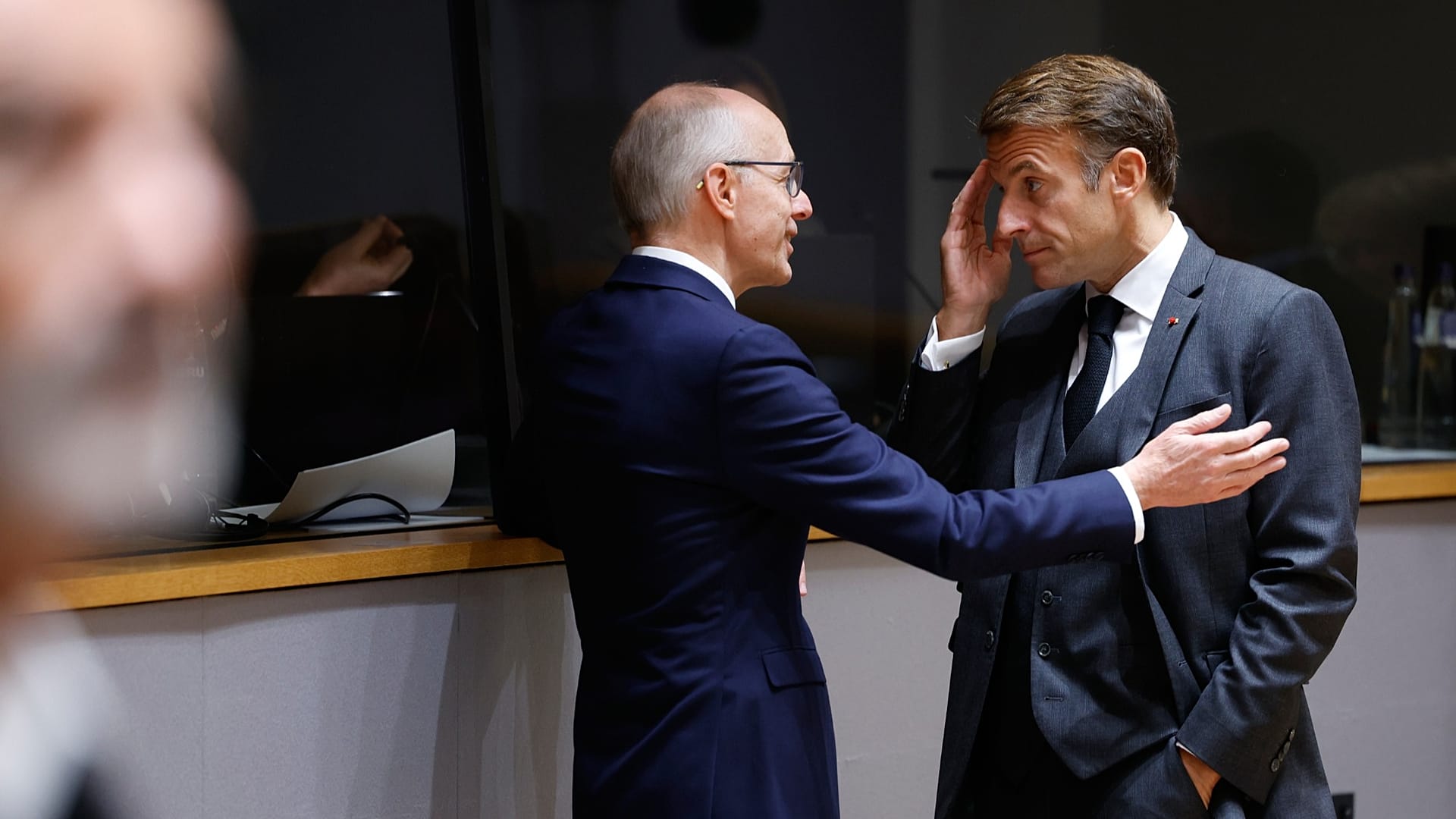
European leaders were caught off guard. German Chancellor Friedrich Merz noted that 'the Americans have different interests.' Emmanuel Macron condemned the 'ambiguities' of some leaders and warned: 'Capitulation is weakness. Weakness is danger.' Giorgia Meloni called the diesel deal 'a very risky choice' that legitimizes Moscow, while Mette Frederiksen lamented that the Western alliance is 'now in a worse position than a few days ago.' EU High Representative Kaja Kallas directly accused the US of pushing Ukraine toward 'capitulation on Putin's terms.'
A Rift, But Not a Break
Despite the criticism, Europe is not ready to break with Washington: Brussels, Berlin, Paris and London are maintaining their channel with the US, taking part in American-initiated talks in Miami and then in Oslo. 'We must move forward, cooperation with the US is critical for Ukraine in the war. The volumes of the diesel deal are small,' said an anonymous senior diplomat. Some officials see Trump's rapprochement with Putin as an attempt to divert attention from high fuel prices ahead of the midterm elections, which Republicans are losing according to polls. Trump blames Ukrainian strikes on oil refineries, but according to Euronews, energy experts consider the US war with Iran the main cause.
Strategic Divergence
Europe is betting on sanctions, long-term separation from Russian resources and diplomatic isolation, whereas the US is offering Moscow economic incentives: partial release of sovereign assets and a resumption of gas supplies — both points Europe has already rejected; deals on Lukoil and nuclear technologies are also being discussed. European officials consider the American approach mistaken, since it ignores Putin's drive for territorial seizures. The invitation of Putin to the G20 summit in Florida, where about a dozen European leaders will come, is another sign of the divergence.
The Question of Europe's Independence
Maria Shagina of the International Institute for Strategic Studies believes the White House's actions are aimed at making Europe abandon its pressure line and accept the US position on Russia. 'The fundamental question is whether Europe can sustain an independent sanctions strategy in the long term. The EU and the UK have significant economic leverage over Russia, but can they turn it into effective pressure without US involvement?' she told Euronews.