The key facts
- Musk supports a Tesla–SpaceX merger but says the deal is not guaranteed and requires shareholder approval.
- The boards of both companies formed special committees of independent directors; Musk is not on them as an 'interested party'.
- The committees have not agreed on deal terms; Tesla is valued at about $1.5 trillion, SpaceX at $2 trillion.
Musk floated a Tesla–SpaceX merger
Elon Musk, who heads both companies, said on Tuesday, October 20, 2026, during SpaceX's earnings call with financial analysts that he considers a merger of Tesla and SpaceX 'a good idea' and that this option is being actively considered. According to the BBC, with Tesla valued at roughly $1.5 trillion and SpaceX at $2 trillion, such a deal would be one of the largest mergers in history.
Special committees formed, but no terms yet
The boards of SpaceX and Tesla have formed special committees of independent directors to study a possible merger. According to Musk, the committees were created at shareholders' request. He stressed that the committees 'have not reached agreement on the terms of any transaction and there is no guarantee they will', but added that he sees 'great value' in combining the companies. Musk himself is not on the committees, since as head of both companies he is an 'interested party'; he compared his position to 'tap-dancing on a minefield'.
Who sits on the committees
TechCrunch notes that Musk did not name the committee members, saying only that they are independent directors. According to Tesla's proxy statement of October 19, Tesla has seven independent directors: Robyn Denholm (board chair), Ira Ehrenpreis (also a committee chair), former Tesla CTO JB Straubel, Joe Gebbia, Jack Hartung, James Murdoch and Kathleen Wilson-Thompson. Neither Musk nor his brother Kimbal Musk is considered independent. SpaceX has six independent directors: Ehrenpreis, Randy Glein, Donald Harrison, Steve Jurvetson, Luke Nosek and Roelof Botha. The board also includes Musk, Antonio Gracias (founder of Valor Equity Partners, with a 3.4% stake in SpaceX) and SpaceX President Gwynne Shotwell — they are not considered independent.
Shareholder approval is the key condition
Musk warned that some believe the merger is a foregone conclusion, but that this is 'an exaggeration': ultimately, the deal must be supported by shareholders. According to him, approval will require at least 50% of all Tesla shareholders, which he called 'a fairly high bar'. At SpaceX, where after the IPO Musk controls more than 50% of the votes, securing shareholder support would be easier, TechCrunch notes.
Motives: AI, robotics and joint projects
Musk said he sees 'great sense' in combining the companies because, in his words, humanity is 'practically at the singularity of superintelligence'. He mentioned the benefits of joint work on AI software, robotics, SpaceX's orbital AI data center Starmind, and Terafab — a joint Tesla–SpaceX chip manufacturing project.
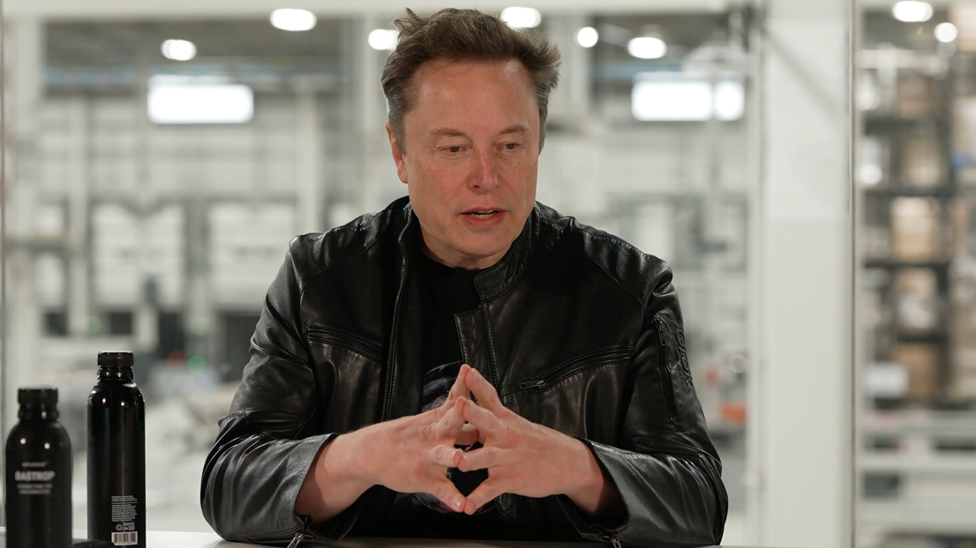 Image source, Courtesy/X
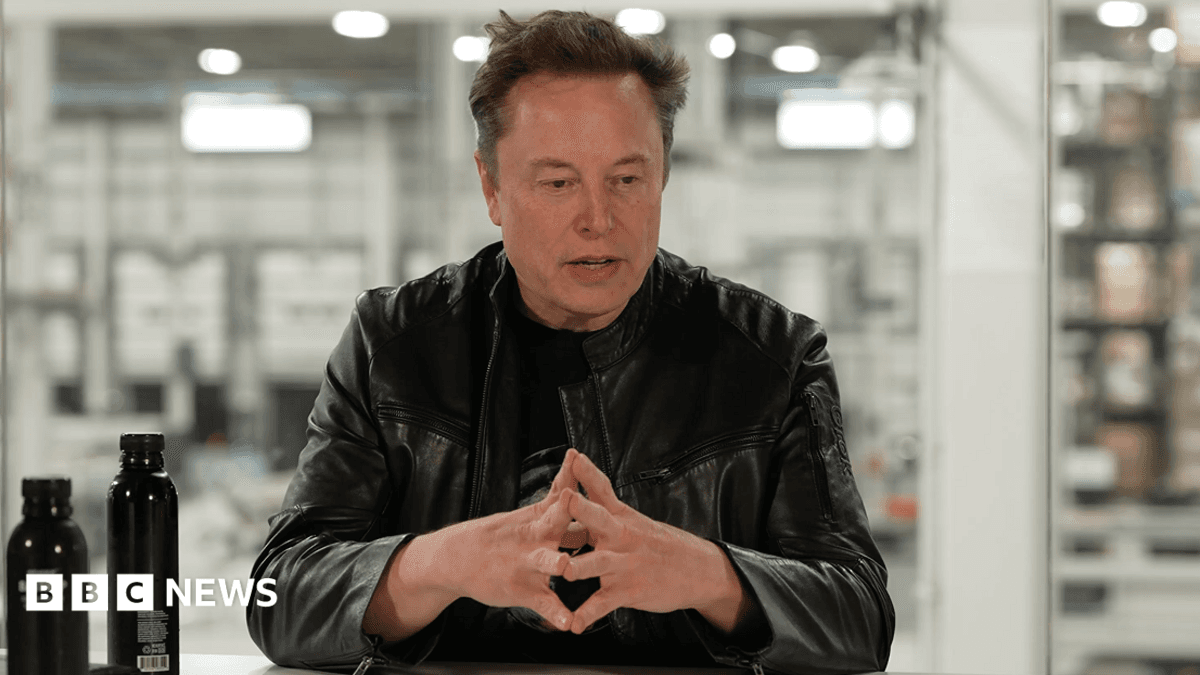
Elon Musk is the top executive of both Tesla and SpaceX