The key facts
- More than two-thirds of Alberta voters, according to preliminary results, voted to keep the province part of Canada
- Prime Minister Mark Carney called the result a choice of unity; separatist leaders had previously traveled to Washington three times to meet with the State Department
- The referendum also included nine other questions on provincial powers, immigration, and constitutional changes
A Decisive Vote for Unity
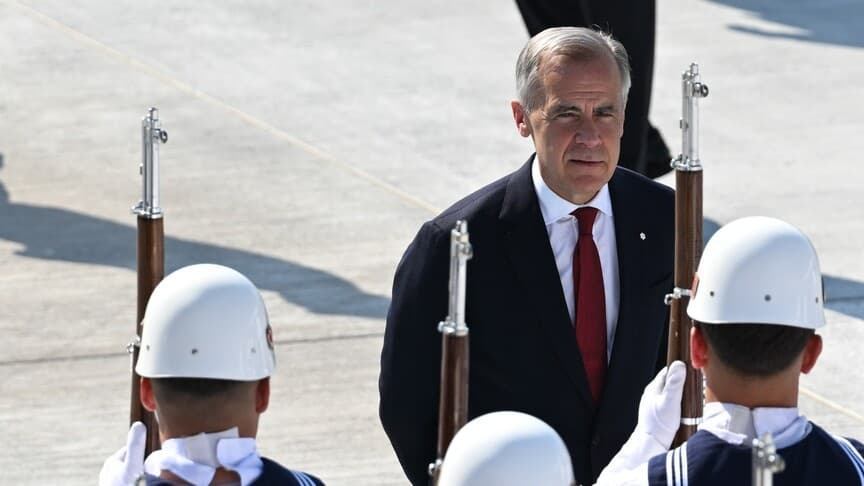
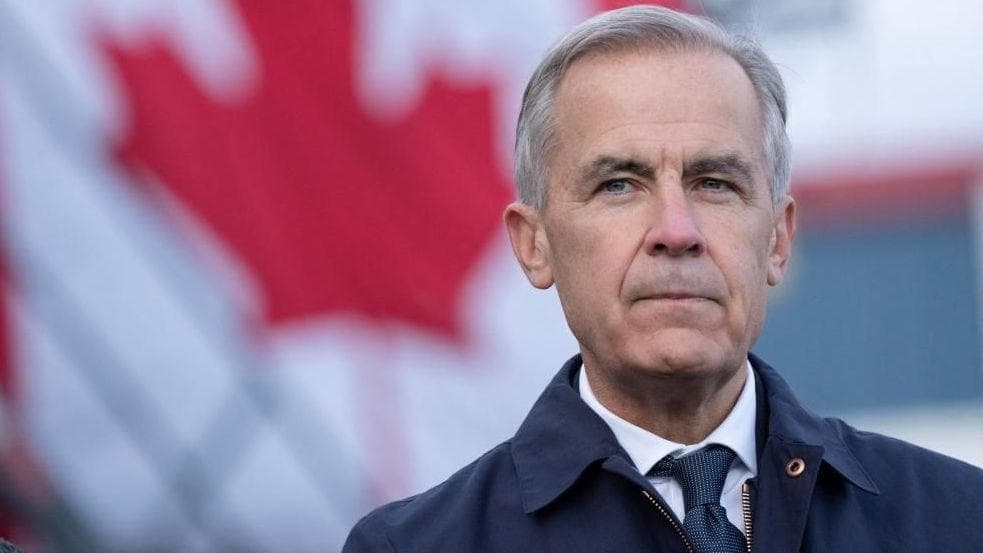
According to preliminary results of the secession referendum, more than two-thirds of Alberta voters chose for the province to remain part of Canada. Prime Minister Mark Carney, speaking last week in Calgary against a backdrop of 'Forever Canadian' banners, urged people to 'vote as if Canada's existence depends on it.' After the results were announced, he said: 'They chose unity, to build together and care for one another.'
A Signal to Washington
Former legislator Thomas Lukaszuk, whose Forever Canadian campaign played a key role in the outcome of the vote, told a gathering of supporters in Edmonton that the result would 'send a very strong signal to the rest of the world,' adding: 'Don't mess with Canada.' He was referring to the US: President Donald Trump has repeatedly threatened to turn Canada into the 51st state. On voting day, at a rally in Kansas ahead of the midterm elections, Trump promised Canadians they would keep hockey and the anthem 'O Canada,' adding: 'We're just joking.' For Canadians it is no joke — Carney previously warned that 'there are those beyond our borders who are working to break us, to own us,' without specifying whom he meant. According to the BBC, some separatist leaders admitted they had traveled to Washington three times last year to meet with State Department officials, discussing, among other things, a possible oil pipeline through the US to the Pacific Ocean.
Economic Context
Alberta, where most of Canada's proven oil reserves are concentrated, plays a key role in Ottawa's strategy for surviving the trade war with the US: trade diversification and new alliances. Carney and Alberta Premier Danielle Smith are jointly promoting a pipeline project to the Pacific coast to access Asian markets. At a rally in Alberta, Carney's remark that the pipeline would 'reduce our dependence on the US' drew the loudest applause of the evening. After the vote, Carney, who previously served as the UN's special envoy on climate, spoke of 'unlocking Canada's potential as a global energy superpower with Alberta at its core' — political and economic pressures, the BBC notes, now overshadow his 'green' credentials.
Reactions and Prospects
University of Toronto professor Janice Stein believes that, apart from the US, foreign governments show little interest in Canadian domestic politics: investors care about the timelines of megaprojects, returns, and regulatory predictability. Political scientist David Moscrop observes that 'Canadian unity is in great shape,' but wonders what will happen after Trump leaves office, when the unifying 'loud' external irritant disappears. The referendum also included nine other questions — on expanding provincial powers, immigration spending, and possible constitutional changes; their outcomes, the BBC predicts, will spark debates between provinces and territories. Carney has had to defend himself against criticism that he spends too much time on foreign trips, including an uncertain proposal for associate membership in the EU: 'I can do both, and I need to do both,' he replied, listing more than 16 laws passed. He maintains high approval ratings, including in Alberta, which traditionally does not support his Liberal Party. CBC journalist Jenifer McGregor called the outcome 'a victory for Team Canada and its resilience.'
 Image source, Reuters
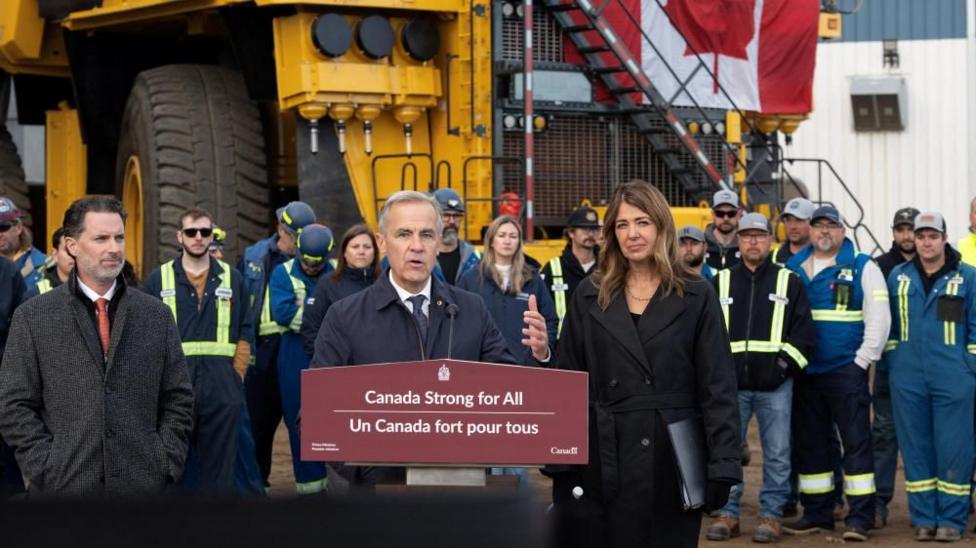 Image source, Reuters
Mark Carney and Alberta's leader Danielle Smith has worked closely on pushing for an oil pipeline to the west coast from the landlocked province.