The key facts
- A 24-month study by the Abu Dhabi Department of Health and Oura to detect preterm birth risks through wearable devices
- Participants are high-risk women wearing the Oura Ring from early pregnancy until delivery; the pilot involves Corniche Hospital and Mediclinic Airport Road
- Preterm birth affects roughly one in ten pregnancies worldwide
Project Cradle pilot
The Abu Dhabi Department of Health has launched a 24-month pilot study with smart ring maker Oura. The project, called Project Cradle (Capturing Risk And Detecting Labour Signals in Elevated-Risk Pregnancies), aims to identify risks during pregnancy so that medical teams can intervene earlier and support mothers and children. The initiative was presented by the department's deputy chairwoman Noura Al Ghaithi and Oura CEO Tom Hale at the Abu Dhabi Future Health Summit, taking place at Adnec through Thursday.
How the study will work
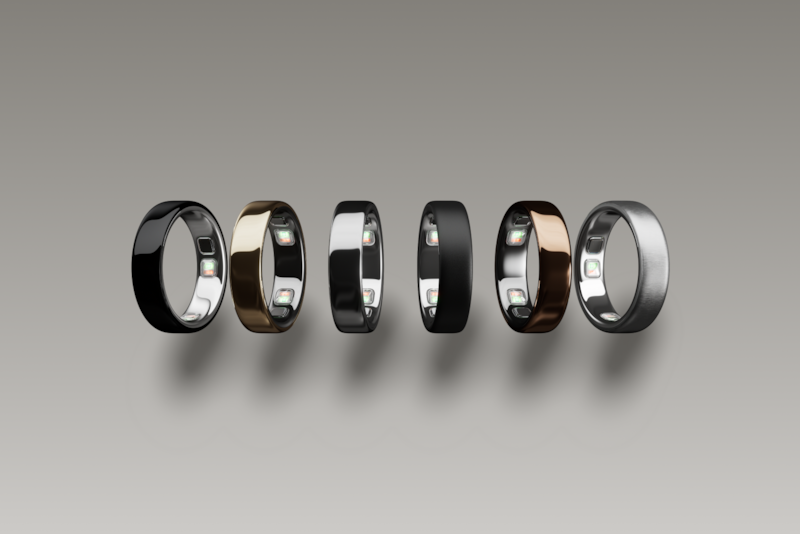
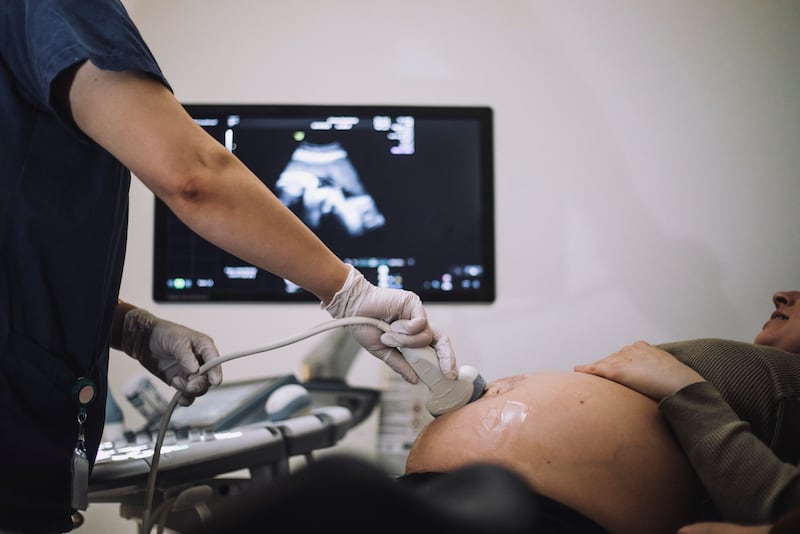
Project Cradle will combine continuous data from the Oura Ring wearable — a titanium ring that tracks sleep, pulse, temperature and stress — with Abu Dhabi's clinical and genomic data to study risk factors for preterm birth. According to existing research, biometric indicators such as pulse change in pregnant women weeks before delivery; the project will test whether such changes can be detected in individual women. In the coming weeks, the study will enrol a sample of high-risk women from Abu Dhabi, who will wear the ring from early pregnancy until delivery. Biometric data will be matched with clinical outcomes to build a dataset. The study will test whether a reliable physiological signal emerges before spontaneous preterm labour and whether a clinically applicable threshold can be determined — early enough to administer treatment for the baby (for example, for the lungs and brain) or arrange transfer to a specialised neonatal unit. The pilot phase involves Corniche Hospital and Mediclinic Airport Road — leading maternal care centres in the capital.
Statements from participants
Dr Al Ghaithi said that Abu Dhabi is building an 'intelligent healthcare system of the future': continuous monitoring makes it possible to move from reactive medicine to care that anticipates risks. She added that women's health and fertility are at the centre of the emirate's priorities, with the goal of becoming a leading research-based reproductive health hub. Tom Hale noted that the project demonstrates the potential of combining medicine and technology, and that pathways created in the emirate could be applied worldwide.
About preterm birth
Preterm birth is defined as delivery before 37 weeks of pregnancy; it can begin spontaneously or follow medical intervention. According to published data, it affects one in ten pregnancies worldwide and remains one of the most unpredictable complications. Premature babies may experience anaemia, respiratory problems, jaundice, brain haemorrhages and heart problems, as well as an elevated risk of developmental disorders — learning difficulties, hearing and vision problems, and cerebral palsy. Mothers after preterm births more frequently experience anxiety, postpartum depression, PTSD and difficulties bonding with the baby.
Context: wearable technology in Abu Dhabi healthcare
Wearable devices are playing an increasingly large role in preventive medicine. To integrate technology into everyday care, Abu Dhabi has developed a five-component framework created by health authorities together with Deloitte; it includes guidance on consumer adoption, privacy and clinical regulation. According to Deloitte, the global wearable technology market was valued at $92.9 billion in 2025 and is forecast to reach $229.9 billion by 2033. Under the department's Sahatna platform, data from wearable devices is already being matched with longitudinal medical records in Malaffi to calculate a personal 'health age'. It is noted that the latest Oura Ring 5 model sells in the UAE for 1,599 dirhams.