The key facts
- The US Justice Department charged 28 permanent residents of California (green card holders) with election-related crimes
- 11 defendants were arrested as part of the 'Protect the Vote' operation involving all four US Attorney's offices in California
- The maximum penalty is five years in prison; the Justice Department cites a list of more than 20,000 probable noncitizen voters handed to California
Charges Against 28 People
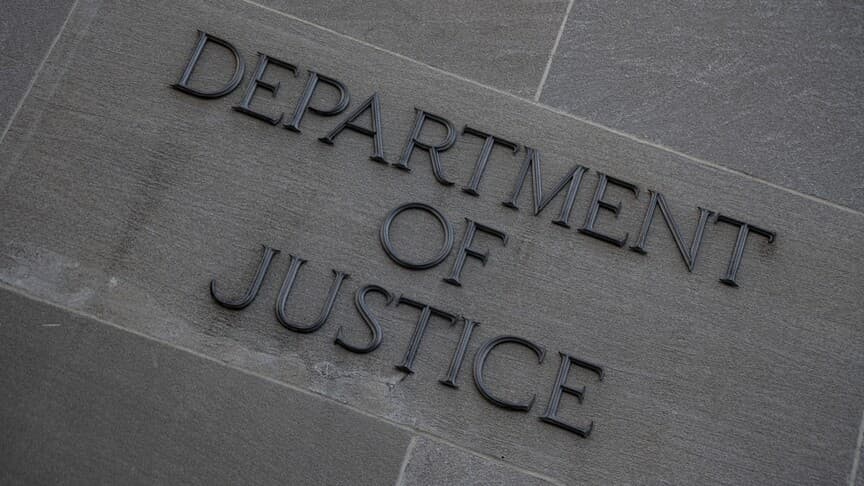
The US Department of Justice on Monday charged 28 foreign nationals residing in California with alleged federal election-related crimes. According to the department, the defendants falsely claimed US citizenship on voter registration forms and, in many cases, voted in elections. All 28 defendants, according to the Justice Department, are lawful permanent residents (green card holders): they are entitled to live and work in the US but are not citizens and, as a rule, cannot vote in federal elections.
Operation 'Protect the Vote' and Arrests
Federal authorities reported that 11 of the defendants were arrested as part of the 'Protect the Vote' operation — coordinated actions involving all four US Attorney's offices in California to investigate suspected election fraud. In addition to allegations of fraudulent voter registration, the complaints include charges of providing false information on naturalization applications. The maximum possible penalty under these counts is five years in federal prison.
Officials' Statements and Status of the Charges
'Every unlawful vote cancels out the vote of a lawful American citizen,' said Acting Deputy Attorney General Trent McCotter. According to him, each of the 28 defendants appears on a list of more than 20,000 probable noncitizen voters that the Justice Department handed over to California election officials last week. At the same time, the Justice Department, together with the Department of Homeland Security (DHS), filed a complaint against California over voter registration lists, claiming that more than 20,000 probable noncitizens are registered in the state. The department emphasized that the charges remain allegations, and the defendants are presumed innocent until proven guilty in court.