The key facts
- Ryabkov called the prospects of a deal with the US on diesel fuel good; Russia is ready to supply fuel beyond 2026–2027
- On October 9, Putin and Trump discussed oil product supplies by phone
- There is no bilateral dialogue on arms control; contacts on prisoner exchanges via intelligence channels continue
Prospects for a diesel fuel deal
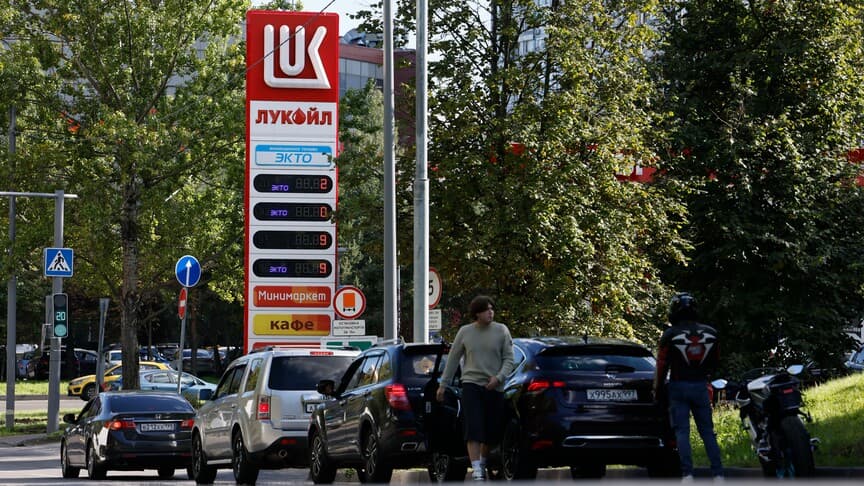
Russia sees good prospects for a potential deal with the US on supplying Russian diesel fuel to global markets, Russian Deputy Foreign Minister Sergei Ryabkov said on Tuesday at a press conference in Moscow. “I think the prospects here are good, and we will work on implementing them. So far everything looks positive,” he said. Ryabkov added that Russia is ready to supply diesel fuel to global markets beyond 2026–2027, and Russian officials are working to align these timeframes with the restrictions established by American executive documents.
Context of the phone talks
On October 9, the presidents of Russia and the US, Vladimir Putin and Donald Trump, held a phone conversation in which, among other things, oil product supplies were discussed. Putin said that Moscow had confirmed its readiness to supply oil and oil products to the US and to global markets.
Position on the settlement in Ukraine
Ryabkov said that Russia's approach to a possible settlement in Ukraine will not change after what he described as Trump's decision to postpone additional sanctions against Russia. “Our fundamental position and our approach to a possible framework for a settlement do not change as a result of these decisions,” he said, adding that Washington and the European capitals are familiar with Moscow's position. According to the diplomat, Russia's priority is to find a formula for a sustainable settlement that eliminates, as Moscow believes, the root causes of the crisis. At the same time, he noted, Moscow sees no readiness either in Kyiv or among Ukraine's main sponsors to resolve these issues. At the same time, Russia welcomes the efforts of the American administration to facilitate a settlement.
Contacts on prisoners and strategic stability
Ryabkov confirmed that Russia and the US continue to communicate on the release of detainees through intelligence channels — the relevant agencies maintain contact. However, there is currently no bilateral dialogue on arms control and strategic stability: contacts are limited to episodic meetings of high-ranking officials on the sidelines of multilateral events, including the Conference on Disarmament and sessions of the UN General Assembly. Ryabkov allowed for further contacts within the framework of the “five” nuclear states, which France currently coordinates, but sees no near-term prospects for resuming a bilateral dialogue on strategic stability with Washington.