The key facts
- Rumors of Kim Jong Un's death were started on social media by Chinese dissident Xie Wanjun living in the US, who claimed the DPRK leader fell into a coma in Beijing and died
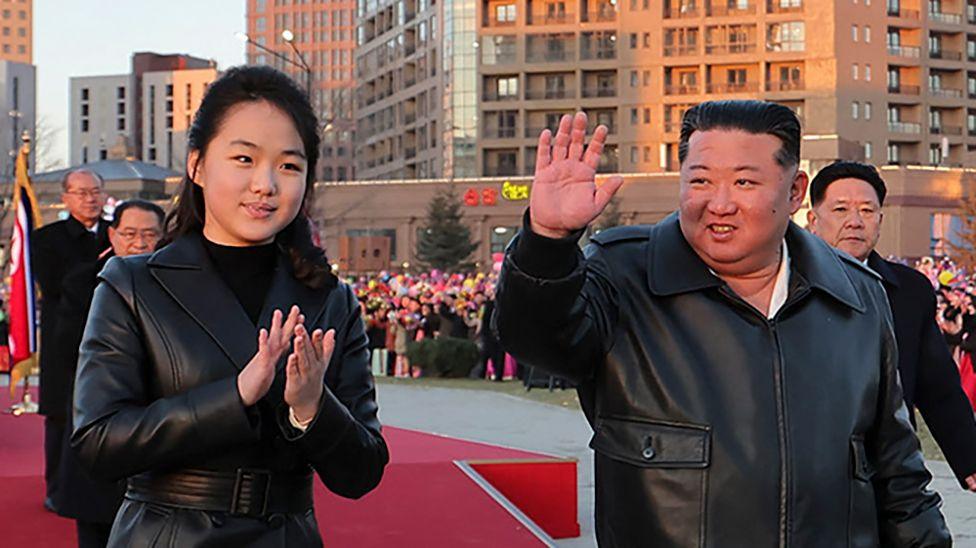
- In response, DPRK state media published photos of Kim Jong Un with his daughter at a clothing and footwear exhibition held the day before
- South Korean intelligence and diplomats said they had heard nothing confirming these claims
Rumors and a rebuttal with photographs
On October 19, a number of outlets — Britain's The Sun, the American New York Post and India's Economic Times — citing 'social media users' reported that Kim Jong Un had fallen into a coma due to a brain hemorrhage and was hospitalized in Beijing. According to the Yonhap agency, the original source of the rumors was a post on X by Chinese dissident Xie Wanjun (Wanjun Xie) living in the US, who calls himself chairman of the Chinese Democratic Party banned in China. He claimed that Kim had suffered a severe brain hemorrhage and fallen into a coma, was taken to the Peking Union Medical College Hospital due to 'poor medicine in the DPRK,' then died, and his body was secretly returned to North Korea with his death concealed. Xie had previously spread unverified claims, including about the death of Xi Jinping.
Reaction of DPRK state media
Official Pyongyang did not comment on the rumors, but on October 20 the Korean Central News Agency (KCNA) published a report and photographs showing Kim Jong Un inspecting a clothing and footwear exhibition in Pyongyang accompanied by his daughter Kim Ju Ae and party and state officials. According to the agency, the visit took place a day before the publication. The exact date of the filming cannot be verified. The state newspaper Rodong Sinmun also printed pictures in which the 42-year-old leader looks healthy.
South Korea's position
South Korean diplomats and intelligence sources said they had heard no data confirming the coma claims. According to Yonhap, intelligence reported to parliament in September that Kim suffers from severe obesity — at a height of 170 cm he weighs about 140 kg — but, according to the intelligence assessment taking doctors' observations into account, he shows no signs of serious health problems. The DPRK has never officially reported on the health of its leader.
Why the rumors recur
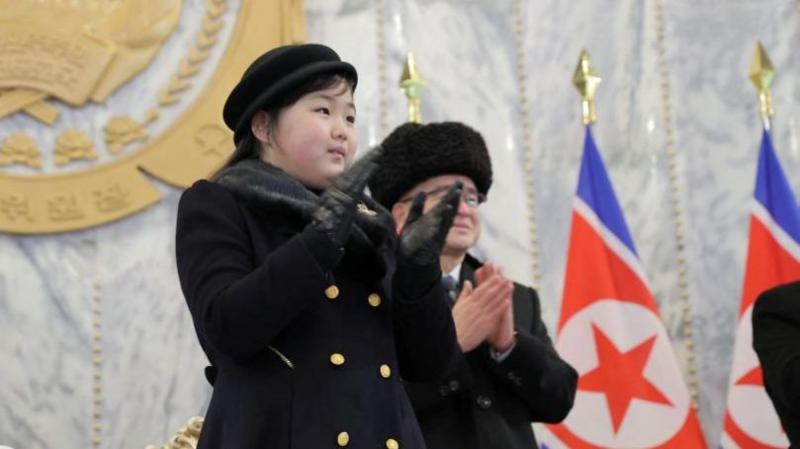
As the BBC notes, such rumors arise regularly: in 2020 a defector claimed he was '99% sure' of Kim's death after a cardiovascular operation, soon refuted by his public appearance. The reasons are the country's closedness and uncertainty over the succession of power: South Korean intelligence believes Kim may be grooming his daughter as successor, who is believed to be about 13 years old and has not been officially declared heir. Risk factors cited include the leader's excess weight and smoking, as well as heart disease in the Kim family. In the event of a sudden power crisis, the question of control over the DPRK's nuclear weapons would arise, which concerns Beijing, Seoul and Washington, which keeps about 28,000 troops in South Korea. No signs of anomalies — increased security on the Chinese border or activity around DPRK diplomatic missions — were recorded this time.
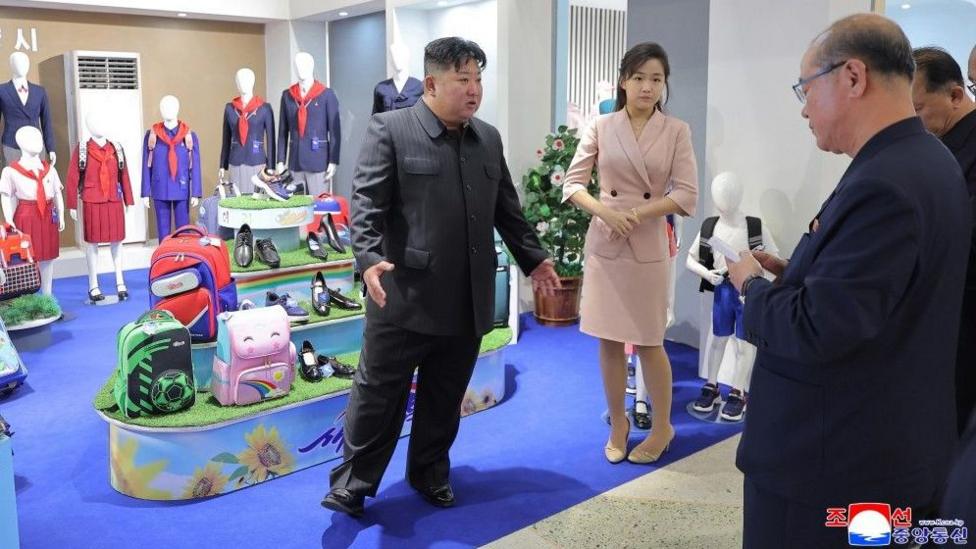 Image source, KCNA
North Korean state media released photos of Kim Jong Un shortly after rumours of his death started spreading online
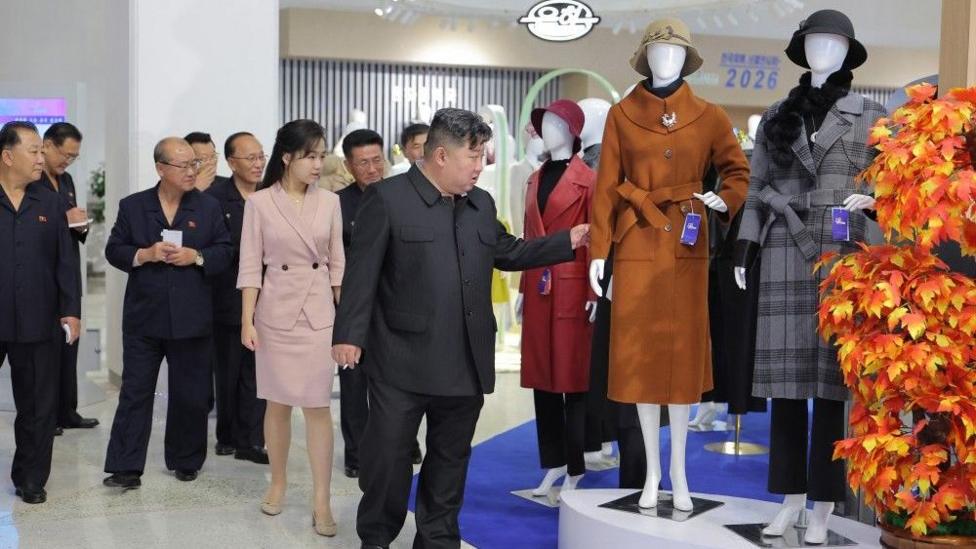 Image source, KCNA
South Korean intelligence believes Kim may be preparing his daughter as a successor