The key facts
- Rubio: 'nothing is being denied to Ukraine intentionally'; US commitments, including intelligence sharing, 'remain the same'
- Zelensky: Patriot deliveries have fallen to 12 missiles per month — a quarter of the level under Biden
- WSJ: Musk limited Starshield speed for Ukrainian drones; Musk says decisions are made by the Pentagon and Trump
Washington rejects accusations of delays
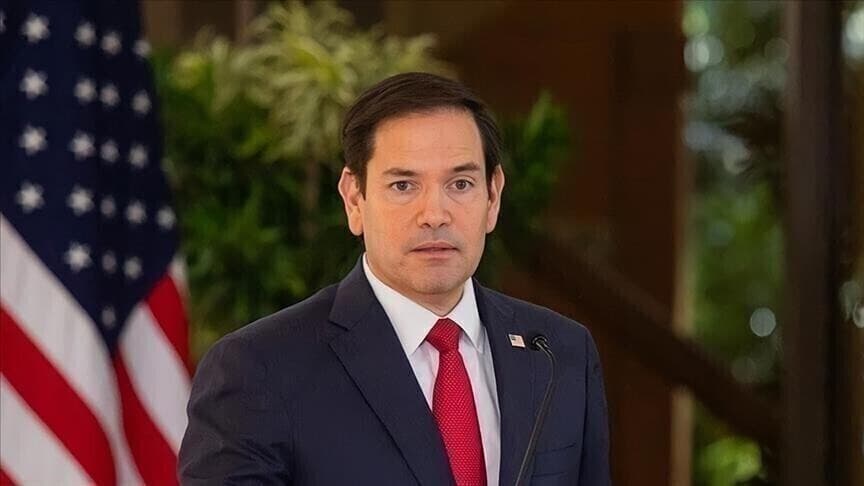
US Secretary of State Marco Rubio on Tuesday, October 20, rejected accusations that the US is slowly delivering weapons purchased by Ukraine. The day before, The Washington Post reported that the Pentagon had slowed deliveries of Patriot interceptor missiles amid deteriorating relations between Washington and Kyiv. Speaking to journalists in India, Rubio noted that Zelensky is trying to purchase interceptors, but 'we have our own needs as well,' and that the US has 'a global defense infrastructure' and many bases require protection. 'Nothing is being denied to Ukraine intentionally,' he said. According to him, US commitments, including intelligence sharing, 'remain the same,' and he had a call with Zelensky to clarify Washington's position. The Pentagon also stated that policy toward Ukraine has not changed.
Zelensky: missiles are ready, but there is no approval
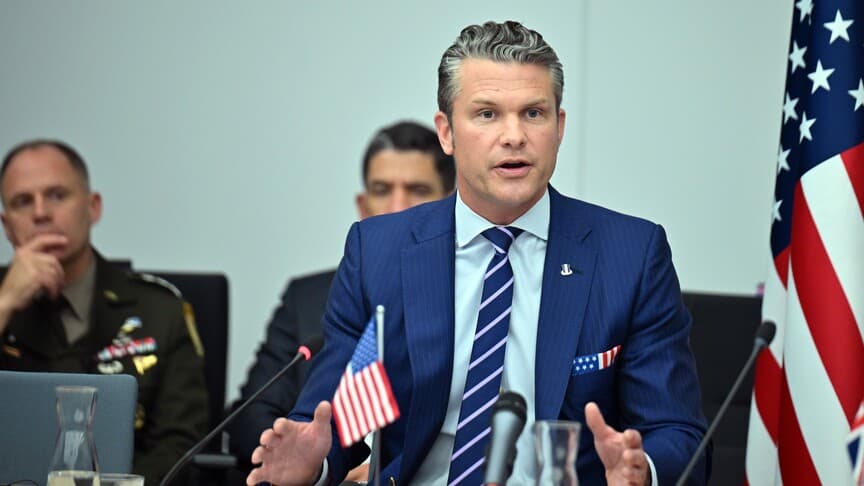
Concern in Ukraine is tied to deliveries under the Purl program (Prioritised Ukraine Requirements List) — a NATO initiative under which allies finance the purchase of American weapons for Kyiv. On a call with a bipartisan group of senators on Monday, Zelensky said: 'The missiles are ready, and they could already be in Ukraine. But, unfortunately, there is still no approval.' He stated that Ukraine has almost no American Patriot interceptors left, and the US is delivering only 12 missiles per month — a quarter of the volume under former President Joe Biden. Kyiv Independent quoted a Ukrainian official: Pentagon chief Pete Hegseth 'keeps the Patriot missile contracts on his desk and does not sign them.'
Strained relations and the energy issue
Relations between Kyiv and Washington are growing more tense. Donald Trump called on Zelensky to stop strikes on Russian oil pipelines amid a global energy crisis caused in part by the war in Iran. Last week Trump said Russia and Ukraine had agreed on an 'energy ceasefire,' a day after Washington temporarily lifted sanctions on Russian fuel that had been imposed to limit Moscow's war revenues. Trump explained the move as an effort to keep Russia at the negotiating table. Zelensky said on NBC Meet the Press on Sunday that lifting the sanctions would strengthen Russia's military efforts, while Trump, in a post on Truth Social, accused Zelensky of wanting the war to continue.
Starlink restrictions
According to The Wall Street Journal, citing American officials and sources, Elon Musk ordered the military version of Starlink (Starshield) to be slowed, limiting the connection speed of Ukrainian equipment, as a result of which some strike and interceptor drones became ineffective. WSJ reports that Musk approached Trump and other officials about the slowdown. In response to complaints, Musk wrote on X that Starshield systems 'are owned and controlled by the US government,' and that 'any speed or usage limitations are decided by the American military and ultimately the president [Trump].' According to him, Starlink is a commercial service whose use is limited to civilian or defensive purposes and cannot be used for offensive military actions. Commenting on Trump's post about Ukraine's strikes on Russian refineries, Musk wrote that Zelensky 'went too far.'