The key facts
- Lavrov allowed for deals with the US if economically beneficial, but without political concessions
- He urged not to overestimate Trump's abandonment of the sanctions law
- According to Life.ru, the US refused to fully lift sanctions after agreements on diesel fuel
Readiness for deals without concessions
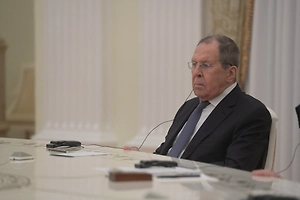
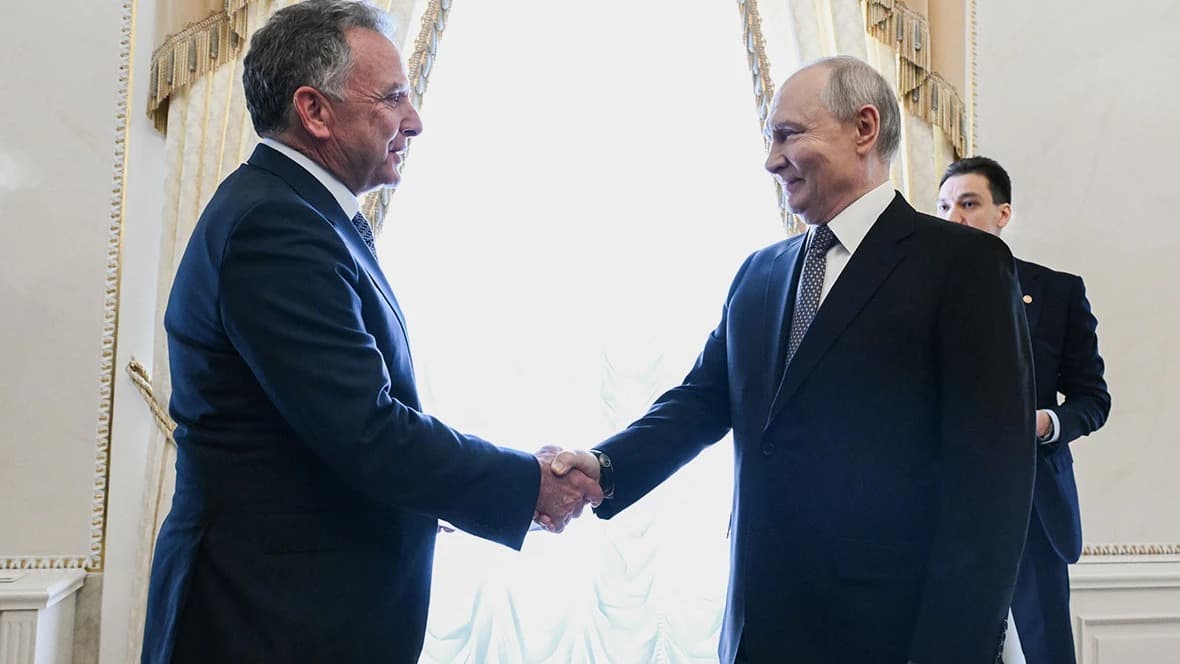
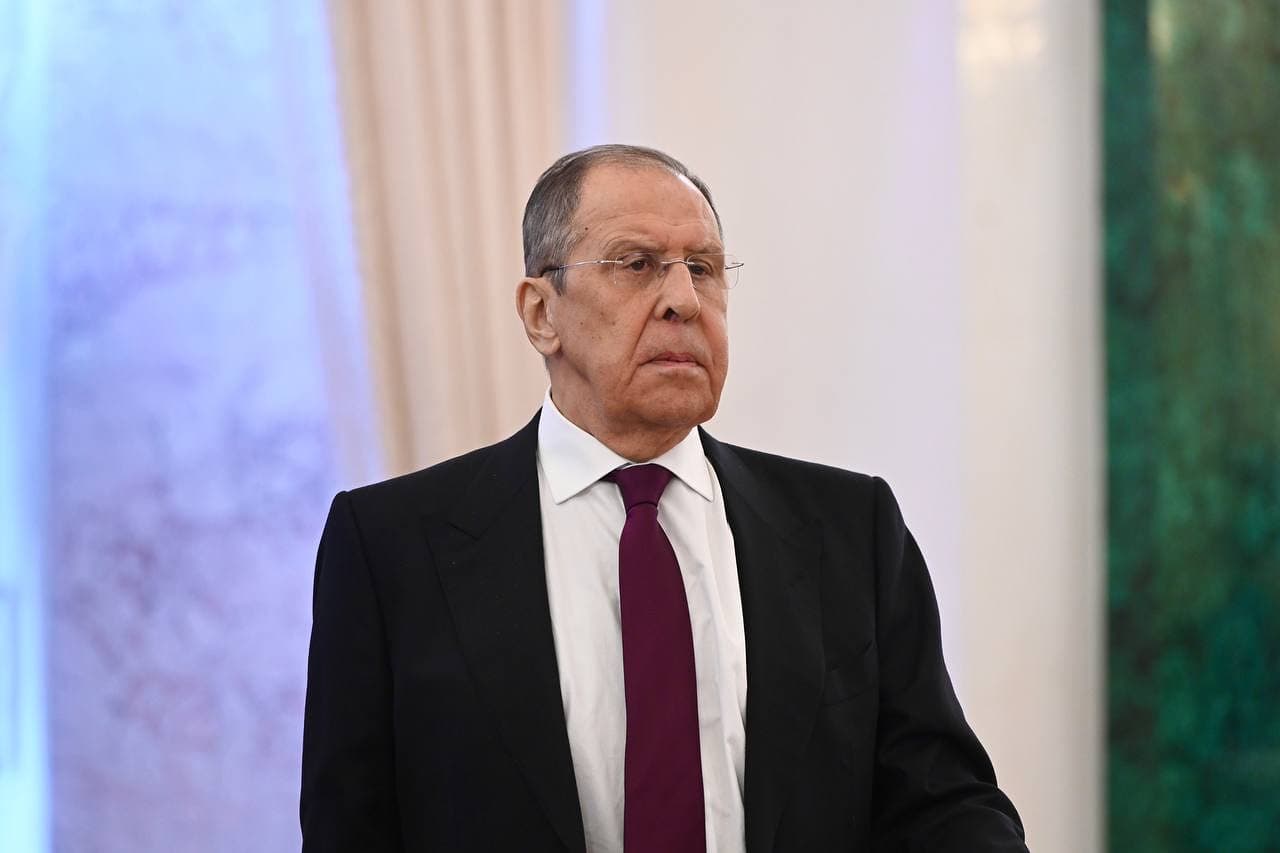
Russia is ready for economic deals with the US, but does not intend to make political concessions for their sake. This was stated by Russian Foreign Minister Sergey Lavrov at a meeting with university graduates who have entered the diplomatic service for the first time. He mentioned that US presidential envoy Steve Witkoff and Jared Kushner had come to Russia and 'tried to organize something.' According to Lavrov, if the proposals are economically and financially beneficial, 'then why not,' but this must be done without political concessions and without counting on the 'political favor' that would 'carry' Russia through all world affairs.
Caution in assessing Washington
Lavrov urged not to overestimate Donald Trump's decision to abandon the application of the sanctions law, recalling that each new US president may revise the policy of their predecessor. He also stated that Moscow has information on how the White House conducts business with neighbors and partners in Africa and Latin America, so Russia does not expect 'miracles' from relations with Washington.
The diesel fuel example
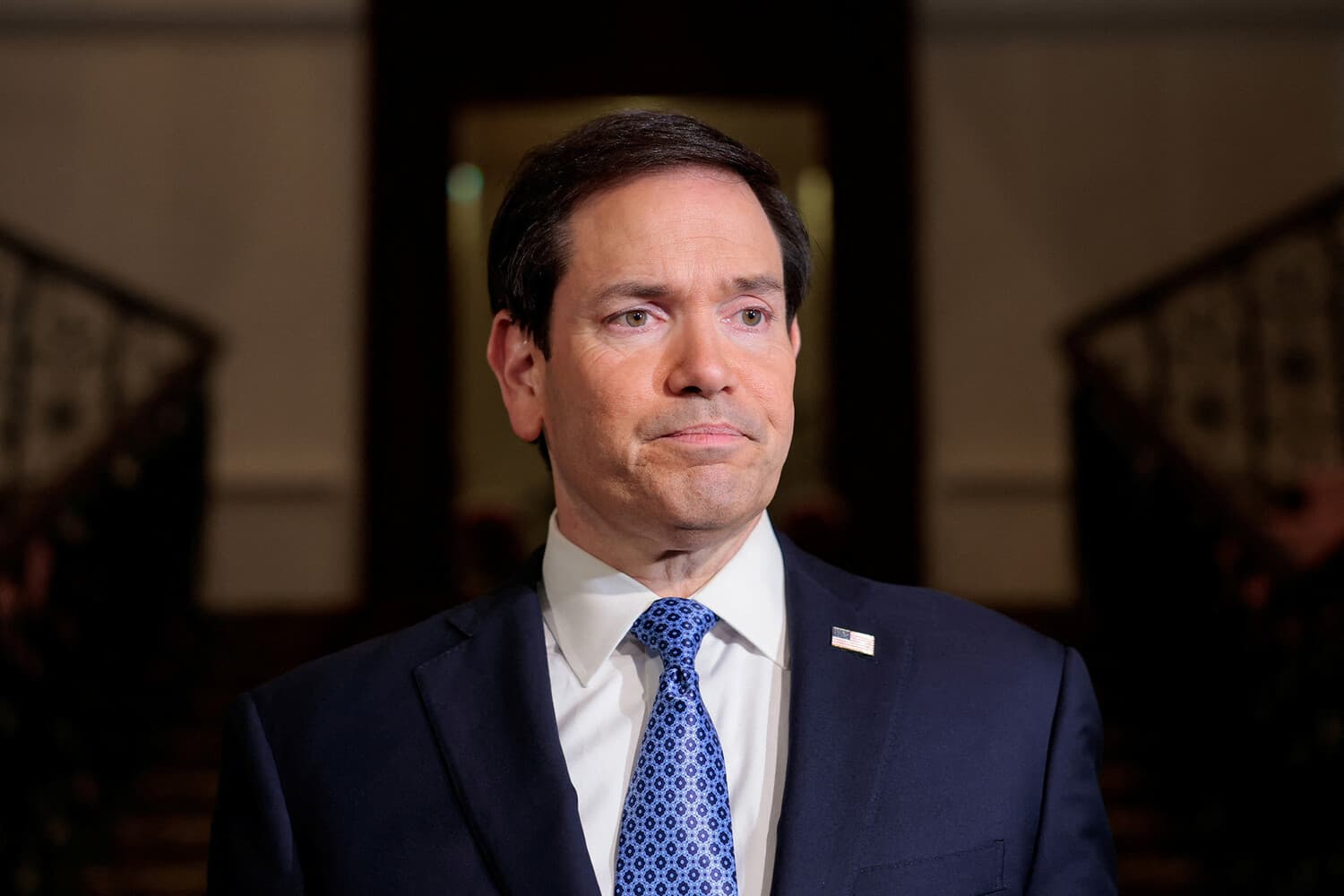
As an example, the Foreign Minister cited the words of US Treasury Secretary Scott Bessent about the agreement on diesel fuel: the American official explained that the deal was merely an exception to the still-active sanctions regime. In Lavrov's assessment, the US remains a rival and adversary of Russia, not ready for fair competition.
Sanctions remain
Earlier, Life.ru reported, citing Russian presidential special envoy Kirill Dmitriev, that the US refused to fully lift sanctions on Russia even after agreements on diesel fuel supplies. According to him, Moscow raised the issue of lifting restrictions on Russian companies during a visit to Washington, but the American side considered such a step difficult and has not yet agreed to it. At the same time, negotiations on various areas continue.