The key facts
- Lavrov said that Germany, due to its rejection of Russian gas, pays three to four times more for electricity
- In his view, the US is ready to purchase Russian fuel and resell it to Europe under its own brand
- In Germany, the trial of Sergey Kuznetsov, accused of blowing up the Nord Stream pipelines, is underway; he faces up to 15 years in prison
Lavrov criticized Berlin's position
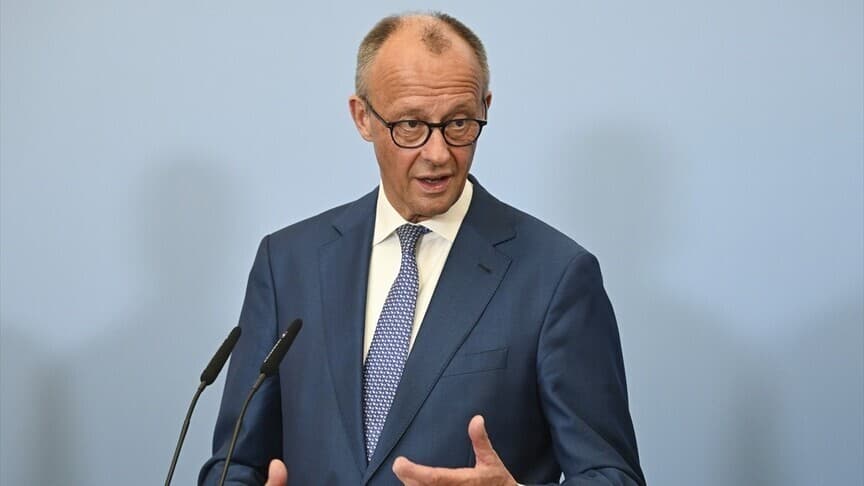
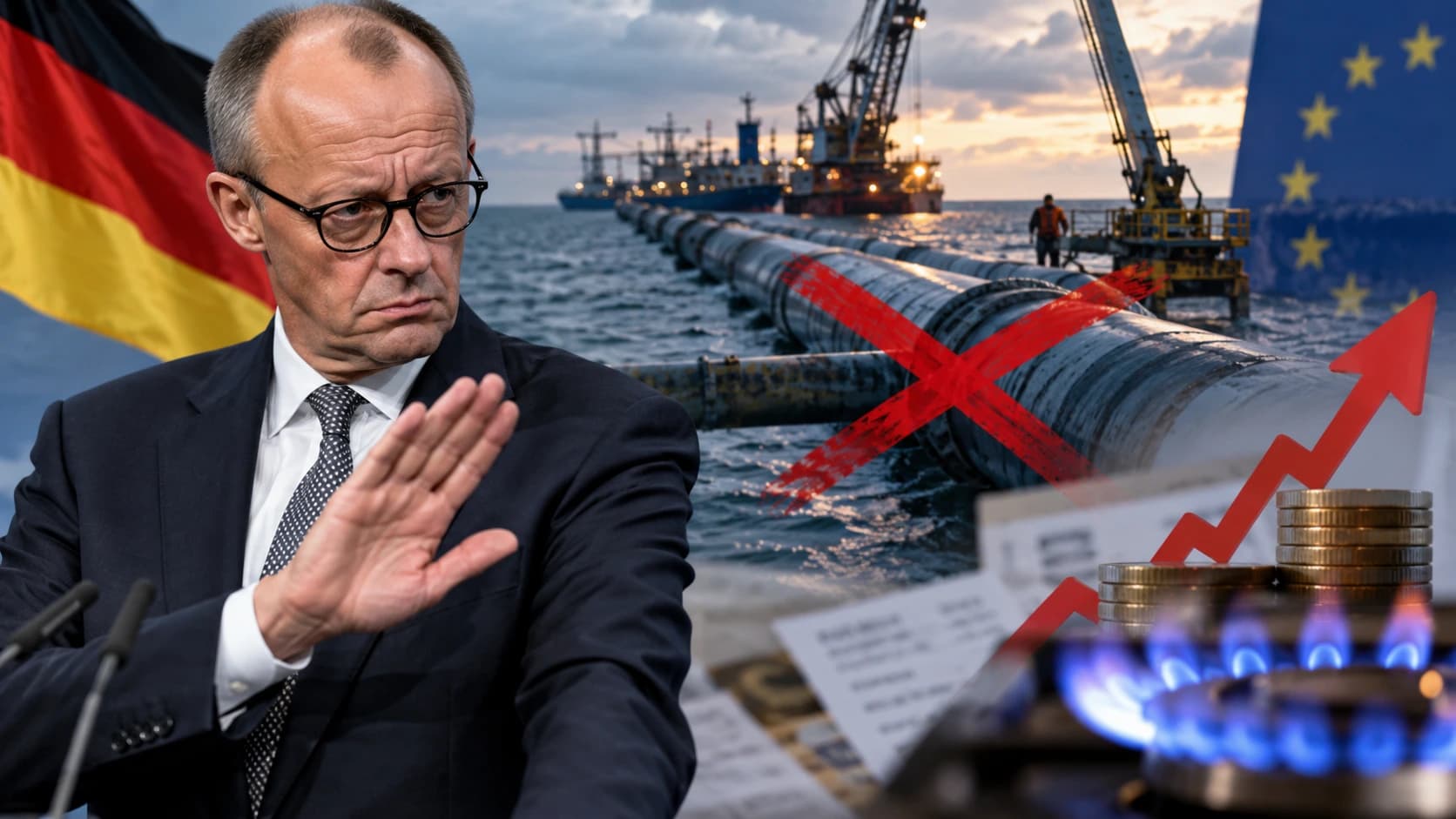
Russia does not intend to repeat Germany's mistakes, which refused to restore the Nord Stream pipelines against the backdrop of a sharp rise in electricity prices. This was stated by Russian Foreign Minister Sergey Lavrov at a meeting with university graduates who had entered the diplomatic service for the first time. The head of the Foreign Ministry recalled that, in his words, German Chancellor Friedrich Merz categorically ruled out a return to the use of Russian gas pipelines. Lavrov linked Berlin's rejection of previous supplies to electricity in Germany becoming three to four times more expensive.
The minister's quote
“Yes, this raised their electricity prices three to four times, but they must die for Ukraine. We will not be such idiots,” Lavrov emphasized.
Statement on the US role
Lavrov suggested that Russian gas may still end up on the European market, but through American intermediaries. According to him, the US is ready to buy the Russian fuel that Europe refuses, and then resell it under its own brand. The minister ironically noted that after resale the gas would become “ennobled” and be considered American, and recalled the expression “money doesn't smell,” hinting at Washington's commercial interest in Russian energy resources.
Trial over the pipeline sabotage
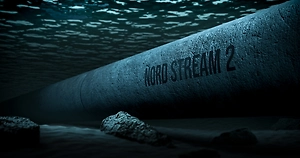
Life.ru also recalls the trial in Germany of Ukrainian Sergey Kuznetsov, who is accused of organizing the sabotage of the Nord Stream pipelines in September 2022. The German Federal Prosecutor's Office qualifies the defendant's actions, among other things, as a war crime, since civilian energy infrastructure was damaged. According to the investigation, the operation was carried out with the knowledge of Ukrainian state structures, but Kyiv denies its involvement. On October 20 it became known that Kuznetsov faces up to 15 years in prison; his lawyers are contesting the charges and seeking the case's dismissal.