The key facts
- Baghaei: any US strike will receive a response — 'equal in strength or stronger'
- Iran denies entering nuclear negotiations with the US and any softening of positions
- Tehran rejected the OIC resolution of solidarity with Riyadh against the Houthis
Warning of Retaliation
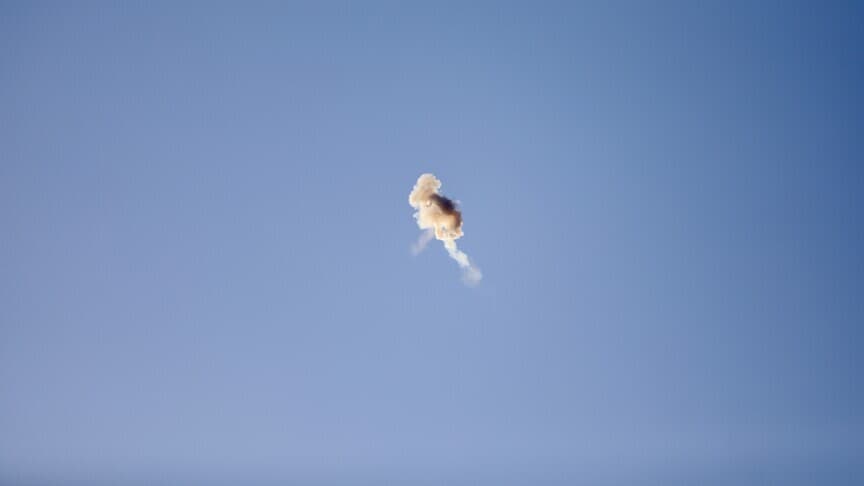
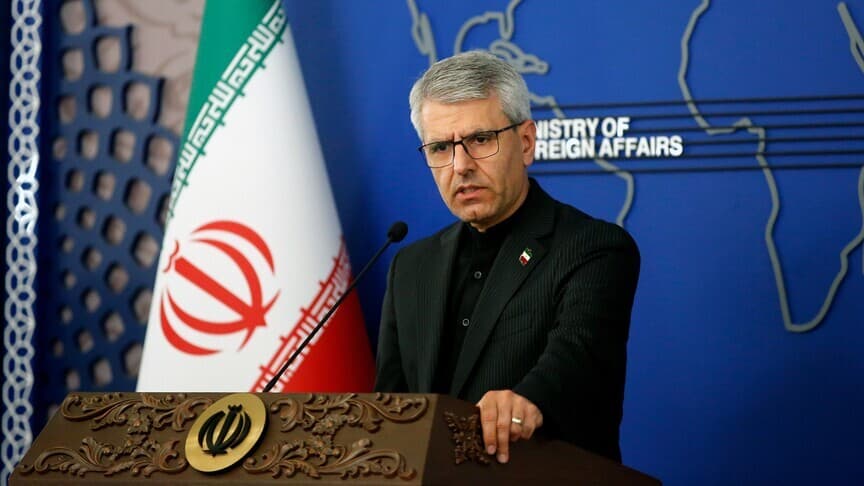
Iranian Foreign Ministry spokesman Esmaeil Baghaei said at a weekly press conference on Tuesday that any US military attack would receive a response, and rejected claims that Washington had allegedly delivered a message to Tehran with the expectation that Iran would not respond to a possible strike. He called 'an illusion' the assumptions that the US could attack Iran with impunity. 'If our response is not stronger, it will certainly be equal in strength,' Baghaei said, adding that the era when the US could attack and leave without consequences is over. The comments came amid reports of a possible US strike on Kirka Mountain (Kuh-e Kolang) in Iran.
Nuclear Negotiations and Lavrov's Visit
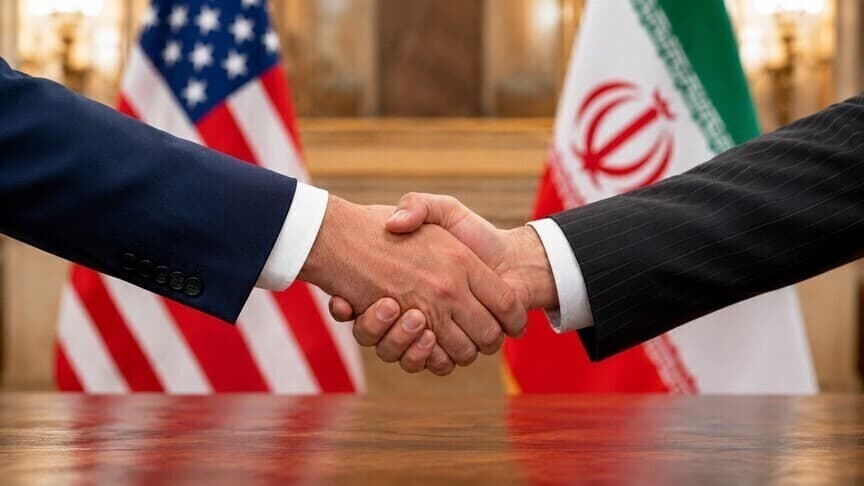
Baghaei stated that Tehran has not entered nuclear negotiations with Washington, so it has nothing to discuss regarding their details with Russia or other countries. He rejected suggestions of a softening of Iran's position, emphasizing commitment to principles and national interests. The visit of Russian Foreign Minister Sergey Lavrov to Tehran, according to Baghaei, was planned several months ago and is part of regular consultations: bilateral relations, the Caucasus, Europe, the Ukrainian conflict, the Persian Gulf, the Strait of Hormuz, and Iran's nuclear program were discussed. He noted Russia's role in the negotiations on the 2015 agreement and its readiness to help de-escalate tensions.
Diplomacy
Baghaei said that Tehran will continue to use diplomatic opportunities despite longstanding distrust of Washington, accusing the US of repeatedly violating commitments, including after withdrawing from the 2015 agreement in 2018. 'If there is even the slightest probability that diplomacy will prevent escalation, we must pursue that path,' he stated.
OIC Resolution on Yemen and Other Topics
Iran officially rejected the resolution of the OIC foreign ministers' meeting in Baghdad on solidarity with Saudi Arabia against attacks by Yemen's Houthis, considering it invalid due to, according to Baghaei, violations of the organization's procedural rules. According to him, Tehran also secured the removal from the final declaration of two paragraphs on Yemen which, in his view, would have deepened the rift among Muslim countries. He stated that the conflict between Riyadh and Sanaa should be resolved through dialogue, not force, and called on neighbors not to allow external powers to use their territory to threaten other states. Baghaei also accused Israel's policy and territorial expansion of destabilizing the region, said that the war in Gaza has not ended the suffering of Palestinians, and repeated criticism of US and European support for Israel. In addition, he reported that Tehran and Islamabad are working to resolve problems related to the closure of their shared border: according to Pakistani officials, the cause is technical malfunctions and system upgrades, and Baghaei expressed confidence that the issue will be resolved.