The key facts
- Houthis fired 4 ballistic missiles at Marib; no casualty figures were provided
- On October 19, the army repelled a Houthi attack on the Kahbub front in Lahj governorate
- Fighting resumed in July after the collapse of the UN-brokered 2022 truce
Missile shelling of Marib
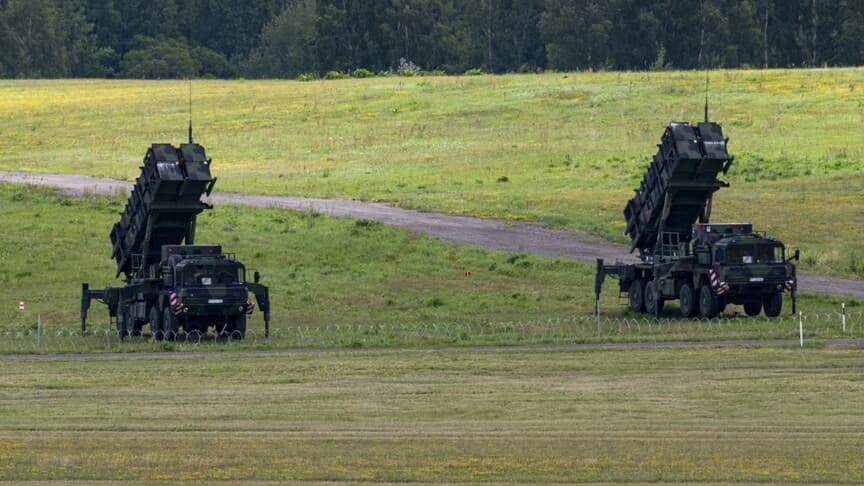
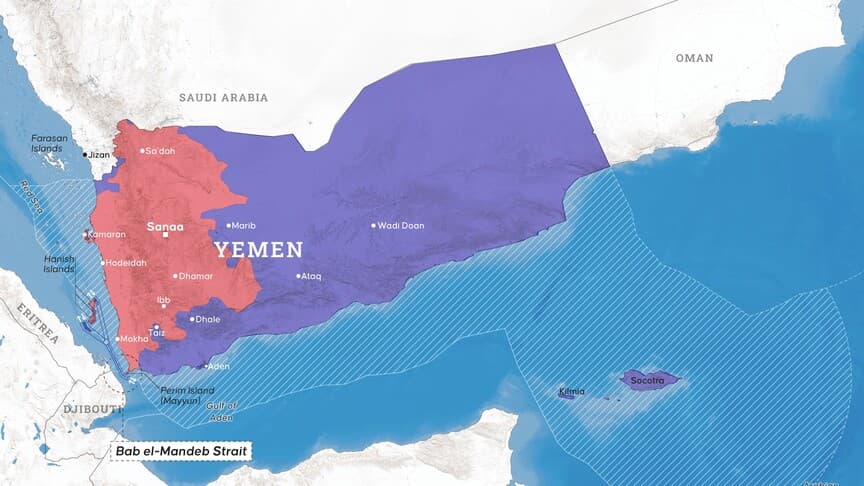
Yemen's Houthi movement late on Monday evening fired four ballistic missiles at Marib, a city controlled by the government. This was reported by local authorities and military sources. According to the local government of Marib, the missiles were aimed at a densely populated city that is home to a large number of displaced people. Authorities did not immediately provide information on casualties or damage.
Series of shelling attacks in recent days
The attack continued a series of shelling incidents: the day before, according to local authorities, the Houthis fired eight ballistic missiles at Marib, without reporting possible casualties. On October 15, the governorate also reported an attack involving nine ballistic missiles and seven other projectiles on residential areas. According to government figures, Marib, which is a major stronghold of the government and a center of oil and gas production, has taken in more than 2.2 million displaced people.
Fighting in the south of the country
On Monday, the Yemeni army said its forces repelled a Houthi attack on the Kahbub front in the western part of Lahj governorate in the south of the country. The army-aligned Giants Brigades said Houthi fighters launched several waves of attacks, followed by hours of fighting involving various types of weapons. According to the brigades, government forces, with the support of the Saudi Arabia-led coalition, forced the attackers to retreat, killing and wounding Houthi fighters and destroying military equipment. The brigades did not disclose their own casualty figures.
Context of the conflict
Yemen has been in a state of conflict since 2014, when the Houthis seized the capital Sanaa and a number of governorates, prompting the Saudi Arabia-led coalition to intervene the following year on the side of the internationally recognized government. The current phase of fighting began in July, when the truce brokered by the UN in 2022 collapsed.