The key facts
- The cultural space Ichkari has opened at 30A Belaryk Street in Tashkent; it is open daily from 11:00 to 20:00, and admission to the main exhibition is free
- The collection comprises more than 700 items (textiles, ceramics, jewelry, archaeology), with about 100 shown in the first exhibition
- The exhibition is built around the themes of meeting, marriage and parting; the Yalt-yult exhibition is currently on, and Xazinaxona is being prepared
An Old House as a New Cultural Space
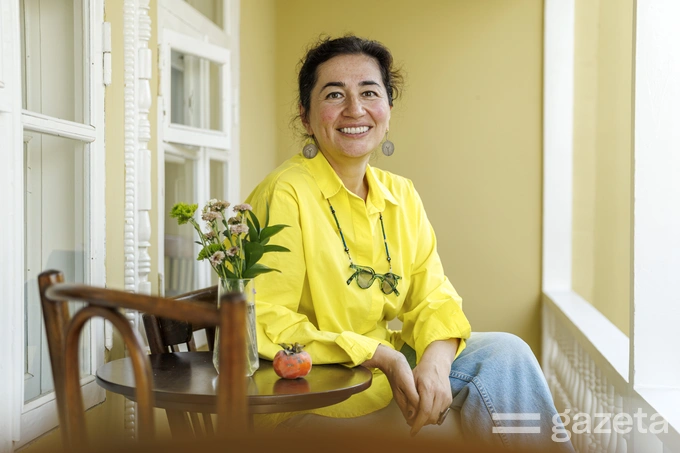
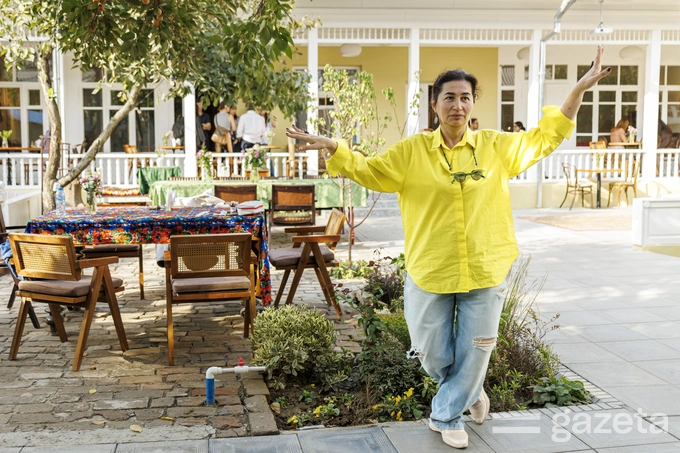
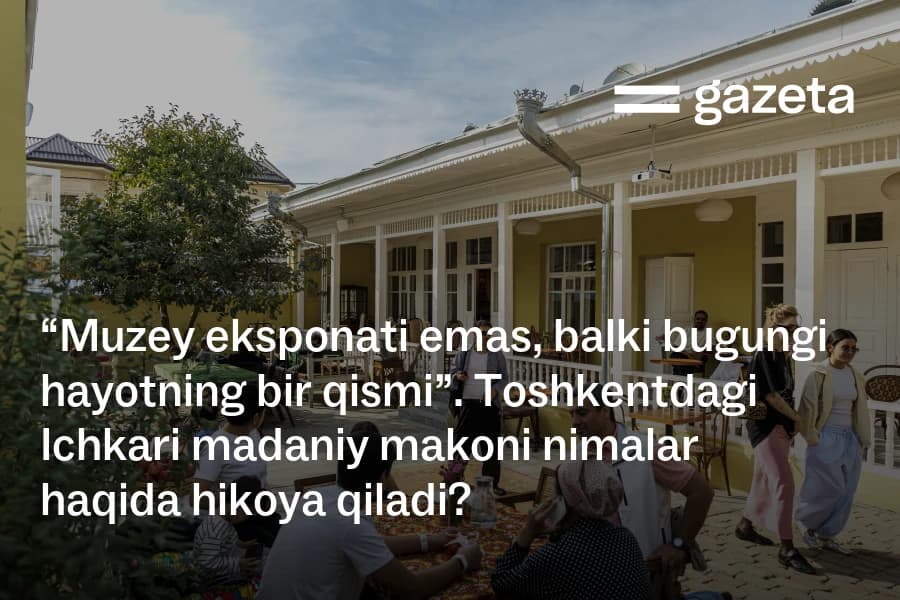
The cultural space Ichkari has opened in Tashkent's Yakkasaray district at 30A Belaryk Street. The idea belongs to art historians Fatima Arifjanova and Maksud Askarov and emerged about three years ago. According to Arifjanova, the creators wanted to make a cozy place both for themselves and for guests of Uzbekistan, and also to remind the country's residents how many reasons there are to take pride in their culture. She deliberately looked for a house with a courtyard in her native mahalla and noticed the future house when she came to view a neighboring plot listed for sale.
The Building's History and the Name
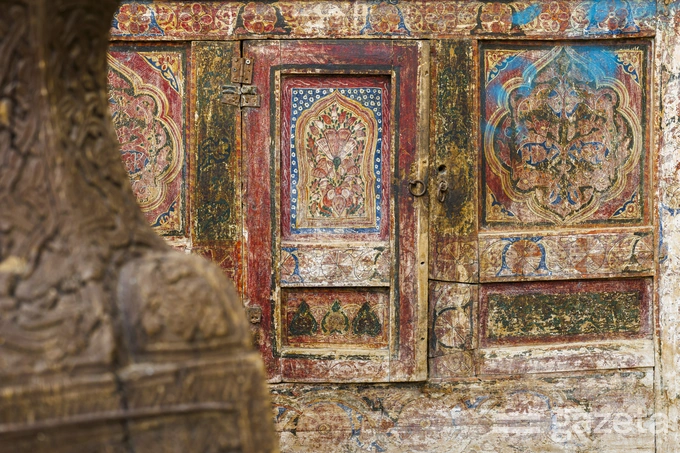
The house was built in the 1920s: as the city grew, land around it was allocated to gardeners who tended the trees. The plot where the main exhibition is now located was acquired by Odil-aka's family; the house was expanded and rebuilt several times, and later the owner's brothers settled in the adjacent parts. The three houses are now named after their former owners — Farhod, Odil and Avaz. The creators restored the house but did not convert it into an exhibition hall and did not add objects that had never been there. The name refers to the traditional division of a house into tashkari (the outer, guest part) and ichkari (the inner, family space).
The Exhibition: From Meeting to Parting
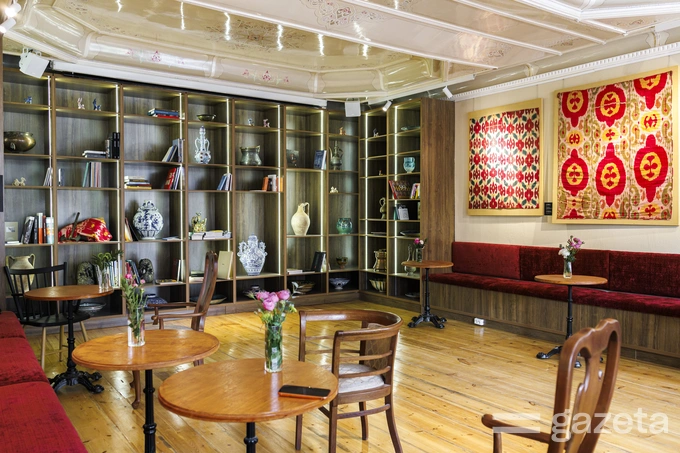
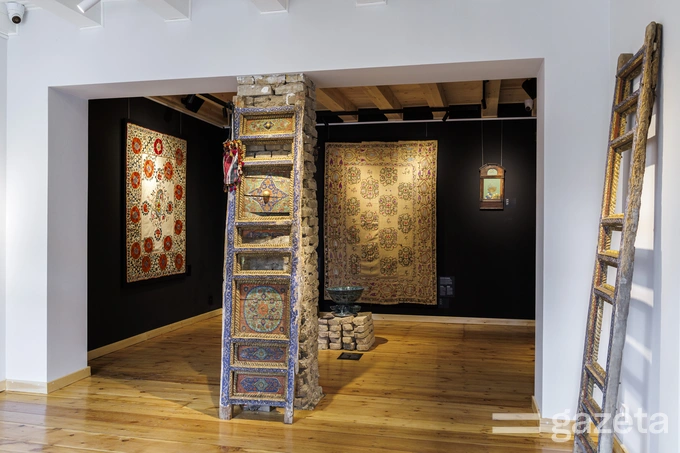
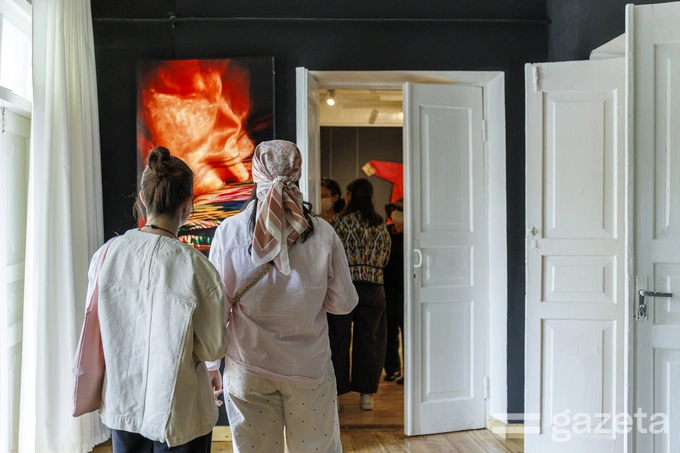
The permanent exhibition is placed in the rooms of the house, each of which retains its former purpose and is tied to the theme of meeting, marriage or parting. The first room is the mehmonkhona (guest room), which now displays books on art, ceramics and textiles. Next comes the kelinkhona — the newlyweds' room, dedicated to the wedding and the beginning of family life. The last room — the owners' bedroom — became the core of the exhibition and is devoted to parting and memory: photographs and diary entries come together into a shared memory of the city. The exhibition is accompanied by the audio play 'Shadows of My Home' in Uzbek, Russian and English; the text was prepared by Maksud Askarov based on the history of the house, interviews with its former owners and the diary of his grandmother, which she kept from 1941 to 1975.
The Collection and Exhibitions
The Ichkari collection numbers more than 700 items, of which about 100 are shown in the first exhibition. Among the sections are textiles, ceramics, jewelry and archaeological objects, including terracotta figurines of the Sogdians, ceramics from Paykend, and items from the Timurid, Karakhanid and Seljuk periods. The collection was formed from the collections of Fatima Arifjanova, Maksud Askarov and collector Igor Klyakhandler; the remaining items are planned to be shown gradually, including at temporary exhibitions. The second house is currently hosting the Yalt-yult exhibition ('shimmer') about how ideas of luxury and status changed over three centuries — from a Bukharan gold-woven brocade dress to customized galoshes and mass-produced teapots. The Xazinaxona exhibition ('Treasury') with archaeological finds is being prepared for opening.
A Space for Living, Not Only for Exhibitions
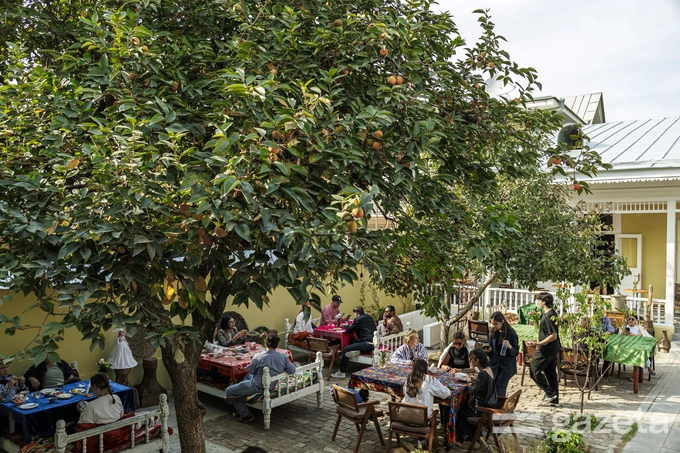
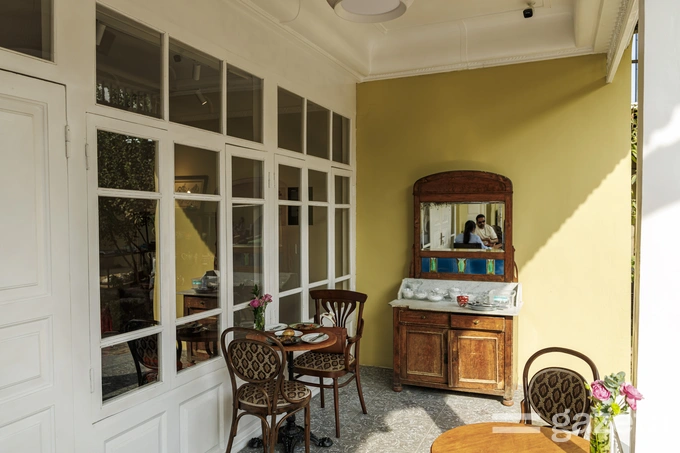
On the aivan one can read books from the library and drink tea, the ravon in the courtyard is intended for gatherings, workshops, lectures and musical evenings, and a residency for artisans has been organized in the balakhana. The Darcha café operates in the courtyard without a fixed menu: 15–20 portions of one dish are prepared, and when it runs out, another is offered. According to Arifjanova, simple home-style food matters — shavlya, mastava, samsa, seasonal fruits, tea with jam. She expressed the hope that Ichkari will become a place people want to return to not only for the exhibitions. The space is open daily from 11:00 to 20:00; admission to the main exhibition is free, while special projects require tickets.