The key facts
- Average of three polls: Eisenkot's bloc — 52 seats, one more than Netanyahu's bloc; 17 seats are not aligned with either bloc
- Channel 14 projects a one-seat majority for the Netanyahu bloc, but records a gradual decline in support for the coalition
- Possible participation of Arab parties in Eisenkot's coalition would trigger a sharp reaction from the far right
Deadlock a week before the vote
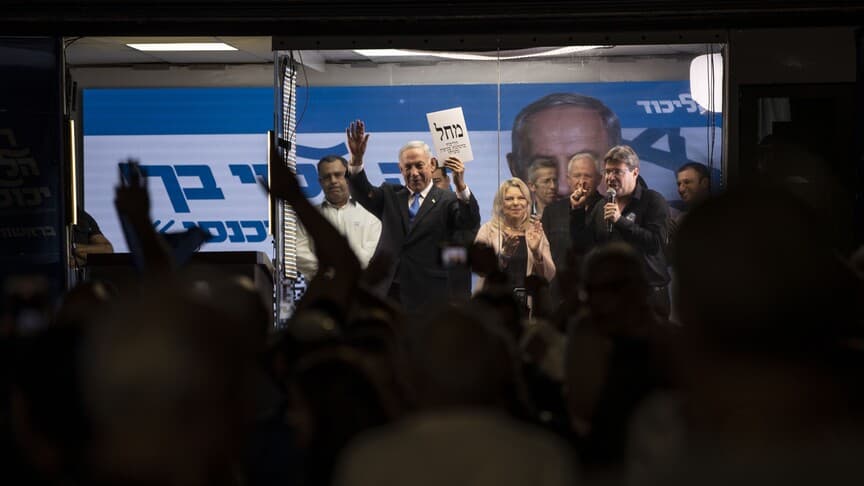
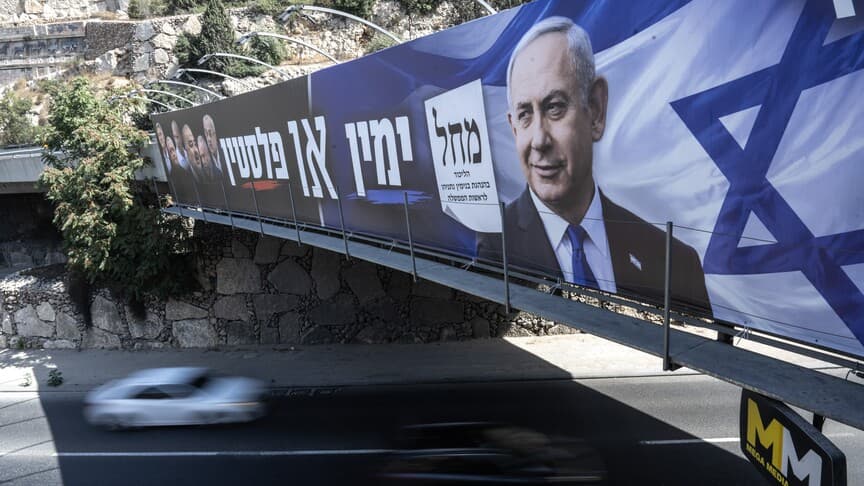
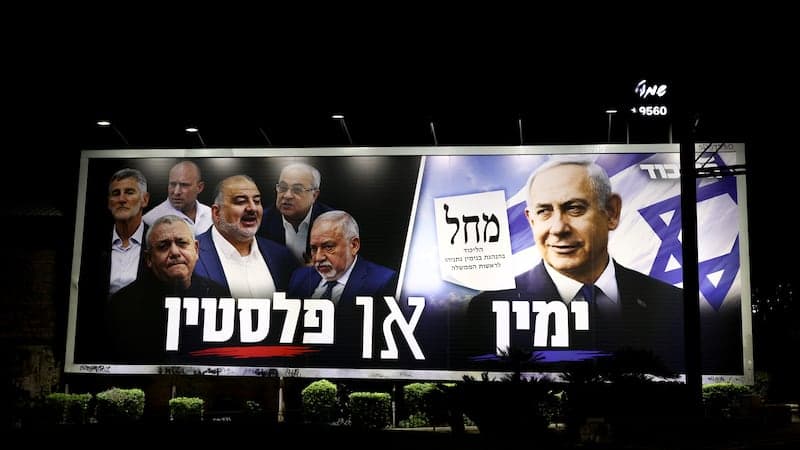
In a week, Israelis will go to the polls in what many call the most important election in the country's history. Despite the usual fluctuations of the Israeli news agenda, the polls have remained stable for several months: neither the bloc of incumbent Prime Minister Benjamin Netanyahu nor the bloc of his main rival Gadi Eisenkot is approaching a majority. Averaging the three most recent polls by leading Israeli pollsters, Eisenkot has 52 seats — one more than Netanyahu. This means that 17 seats are not aligned with either bloc, fueling speculation that the next government will be formed after coalition negotiations that could take months. If no coalition agreement is reached, repeat elections will have to be held — something that has happened repeatedly in Israel's recent history.
Contradictory poll data
Polls are far from precise, and not all of them show a deadlock. A smaller group of less mainstream polls published by right-wing news channels shows a more favorable position for the Netanyahu bloc: on Sunday, Channel 14 projected a one-seat majority for him. At the same time, the same poll records a gradual decline in support for the coalition in recent weeks. Many voters note Netanyahu's political talent — his ability to build unexpected coalitions and weaken opponents.
External factors and the Arab electorate
The Israeli army is on heightened combat readiness; there are fears of a new round of fighting with Iran, possibly even before polls open, which adds uncertainty that could play into Netanyahu's hands. On Sunday, US President Donald Trump unexpectedly endorsed him, which, in the author's view, may strengthen the incumbent premier's image as a statesman in the eyes of some voters. One obvious path to victory for the opposition bloc is to join forces with Arab parties. Many opposition parties, including Eisenkot's party, have said they will not form a government with parties representing Palestinians, who make up about 20% of the country's population. However, polls point to a significant rise in turnout among Palestinian citizens, and this group may become too significant to ignore. If Eisenkot includes them in the coalition or, more likely, arranges outside support, the far right will react sharply: he could be called a traitor, and some current bloc partners may leave it.