The key facts
- Judge Ariana Fajardo Orshan issued an arrest warrant for Raul Castro in the case of the 1996 shootdown of Cessna 337 aircraft.
- Four people died — three US citizens and one Cuban citizen with a green card.
- Cuba called the charges 'a low and shameful political provocation,' denying US jurisdiction.
Arrest Warrant in the 1996 Case
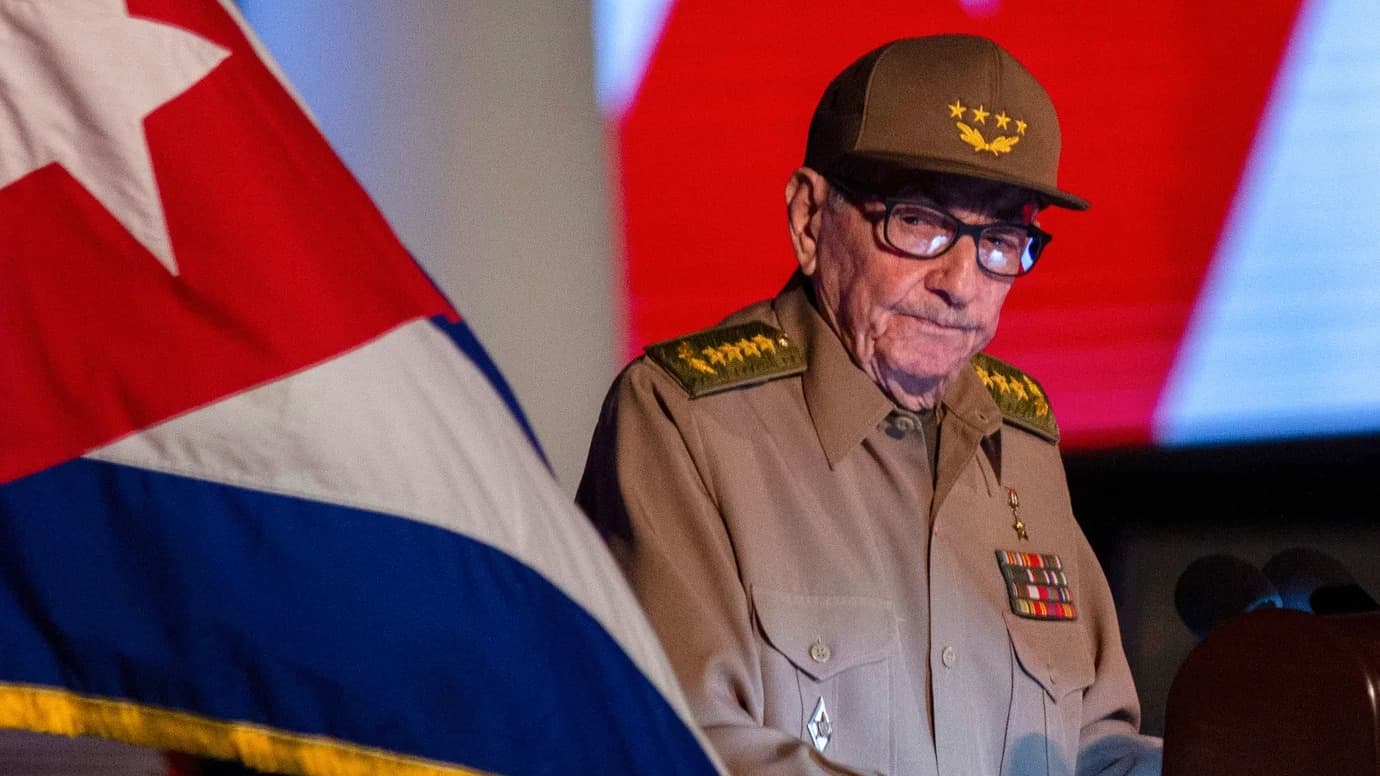
Judge Ariana Fajardo Orshan signed an arrest warrant for former Cuban leader Raul Castro in the case of the 1996 destruction of two aircraft delivering humanitarian aid. This was reported by the Miami television station NBC6.
Circumstances of the Incident
Two Cessna 337 light aircraft belonging to the nonprofit organization 'Brothers to the Rescue' were shot down by the Cuban air force in February 1996 over the Florida Straits. They were taking part in a search and rescue operation for Cuban refugees trying to reach the United States. Four people died: three US citizens and one Cuban citizen with US permanent residency. According to the US version, the aircraft were shot down over international waters; Cuban representatives claim they violated the country's airspace.
Charges and Positions of the Parties
On May 20, 2026, in the United States, Raul Castro, who held the post of defense minister at the time of the incident, and five other individuals were formally charged with four counts of murder, destruction of two aircraft, and conspiracy to kill US citizens. According to acting US Attorney General Todd Blanche, the warrant creates a procedural basis for an extradition request and transfer of the case to a federal court in Florida; the authorities, he said, are taking measures to ensure Castro appears in court 'either voluntarily or by other means.' The Cuban government called the US charges 'a low and shameful political provocation,' stating that the United States has neither legal grounds nor jurisdiction for such accusations.