The key facts
- At the C5+1 meeting in Samarkand, Rubio announced the expansion of trade, energy and critical minerals supply chains
- Last year's C5+1 summit at the White House yielded $25 billion in deals in transport, energy and finance
- The US is not forcing Uzbekistan to choose between Washington, Moscow and Beijing; a Trump visit is possible in 2026
US plans in Central Asia
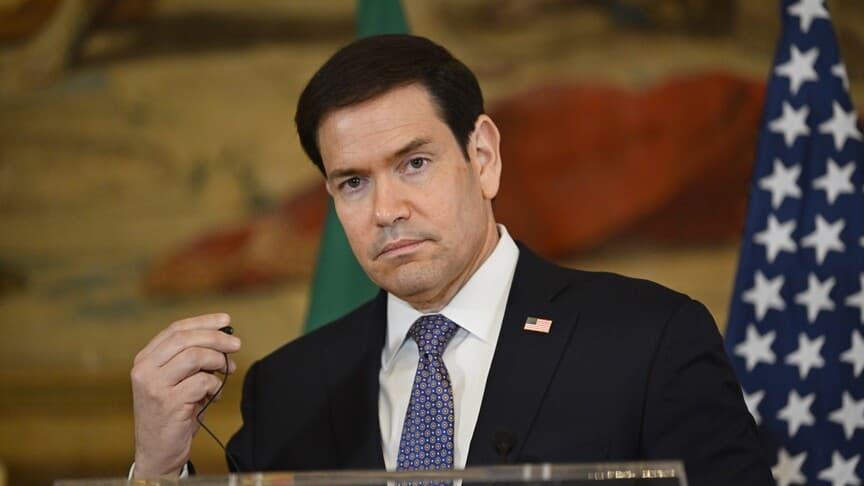
The United States intends to expand trade and investment with the countries of Central Asia, strengthen energy cooperation and develop critical minerals supply chains, US Secretary of State Marco Rubio said on Monday. Speaking at a ministerial meeting in Samarkand (Uzbekistan), he said that Washington also plans to build integrated critical minerals supply chains and train thousands of young specialists to work with American technologies in the region's growing tech sector.
The Trans-Caspian route and the region's role
“We will improve the infrastructure of the Trans-Caspian trade route and give our partners more opportunities to access American and Central Asian markets,” Rubio said. He called Central Asia a historic crossroads of trade between Europe and Asia that is once again capable of playing an important role in international commerce. According to him, the US seeks to protect its critical industries and supply chains in order to reduce dependence on potentially unreliable foreign partners, and is ready to help the countries of the region prosper as independent states.
The C5+1 format and the results of last year's summit
The C5+1 format brings together the US and five Central Asian countries — Kazakhstan, Kyrgyzstan, Tajikistan, Turkmenistan and Uzbekistan. Rubio recalled that last year's C5+1 summit at the White House produced $25 billion in new deals in transport, energy and finance. The current meetings are intended to build on these agreements and expand economic cooperation.
“We are not competing with China or Russia”
Rubio emphasized that the US is not trying to force Uzbekistan to choose between Washington, Moscow and Beijing: American companies want fair competition and greater access to markets. “We are not competing with China or Russia for influence in Uzbekistan,” he said, adding that Washington is interested in expanding cooperation without dictating whom to do business with.
Business delegation and possible visits
According to Rubio, nearly 300 American business representatives arrived in Uzbekistan along with him. The Secretary of State was also scheduled to take part in the second meeting of the US-Uzbekistan Council on Business and Investment. He said that next year Washington will work on determining possible dates for President Donald Trump's visit to Uzbekistan, who had previously expressed interest in such a trip.
Planned visit to Kazakhstan
Rubio also confirmed interest in an upcoming visit to Kazakhstan after the G20 summit in Doral (Florida), scheduled for December 14–15, the Kazakh Foreign Ministry reports. This issue was discussed at a meeting with Kazakh Foreign Minister Mukhtar Tleuberdi in Samarkand. The visit to Samarkand takes place against the backdrop of Washington's desire to deepen economic and diplomatic ties with the resource-rich region, where key areas are trade, investment, energy and critical minerals.