The key facts
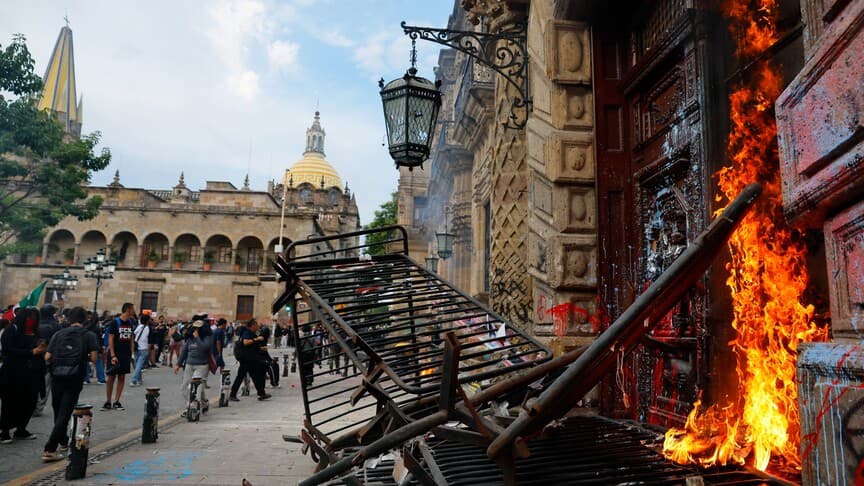
- In Guadalajara on October 19 (Sunday), the second protest in a week against the water crisis took place; a group of masked people, according to authorities and organizers, rioted and set fire to the entrances of the state Congress and judiciary buildings.
- Five people were detained, found in a stolen pickup truck with canisters of gasoline; they are suspected of arson.
- The first 'March for Water' on October 11 gathered more than 10,000 people: 57 injured, 39 detained, and cases were opened against 17 police officers over allegations of excessive force.
Violence at the second protest over the water crisis
On Sunday in Guadalajara (Jalisco state, western Mexico), the second demonstration in a week over water shortages and contamination took place. The march escalated into violence: according to authorities and organizers, a group of masked people, presumably having joined the protest to provoke trouble, set off explosive devices and set fire to the entrances of the state Congress building. Videos circulated on social media showing people armed with hammers, Molotov cocktails and firecrackers; there were also reports of looting and damage to shops.
Reaction of demonstrators and the governor
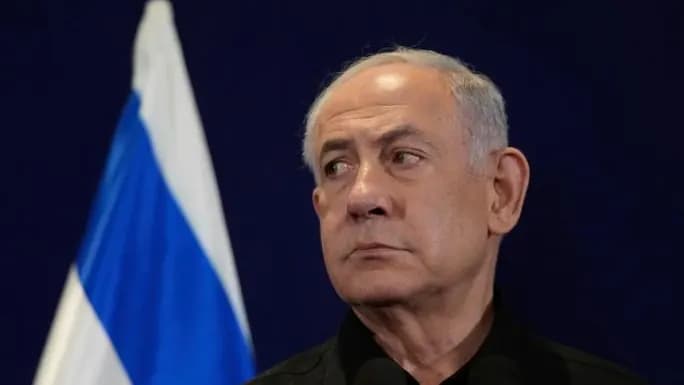
March participants distanced themselves from the actions of the masked people and refused to continue the march until the perpetrators left the column. Jalisco Governor Pablo Lemus wrote on X that 'at the beginning, a group of thugs tried to provoke violence and chaos, but civilian organizers identified them, rejected them and expelled them from the march.' According to reports, five people were detained after being found in a stolen pickup truck with canisters of gasoline; they are suspected of setting fire to the entrances of the state Congress and judiciary buildings.
Background: the first protest and its aftermath
Residents of the Guadalajara metropolitan area have complained for years about water interruptions and black, foul-smelling water from their taps. Earlier this month, Lemus acknowledged what he called an 'unprecedented drinking water crisis,' and health authorities detected coliform bacteria in the water supply. The first 'March for Water' on October 11 gathered more than 10,000 people; police and firefighters, according to reports, dispersed participants using clean water. The result: 57 injured and 39 detained, amid accusations of police brutality against demonstrators and journalists. Cases have been opened against 17 police officers on charges of excessive force; detainees also accused officers of torture.
Causes of the crisis according to the authorities
Lemus linked the crisis to the city's worn-out pipes, which, according to him, have not been maintained for more than 70 years, and announced plans to reconstruct the aqueducts.