The key facts
- 'Ivan' and 'Foma' told BBC about working for the HUR: surveillance of military facilities and officers, preparation of drone attacks
- According to 'Foma's' estimate, there are 300–500 such agents in Russia; this cannot be verified
- HUR confirmed cooperation with both, but the handler admitted that 'Ivan' may also be working for Russia
Rare testimonies from the inside
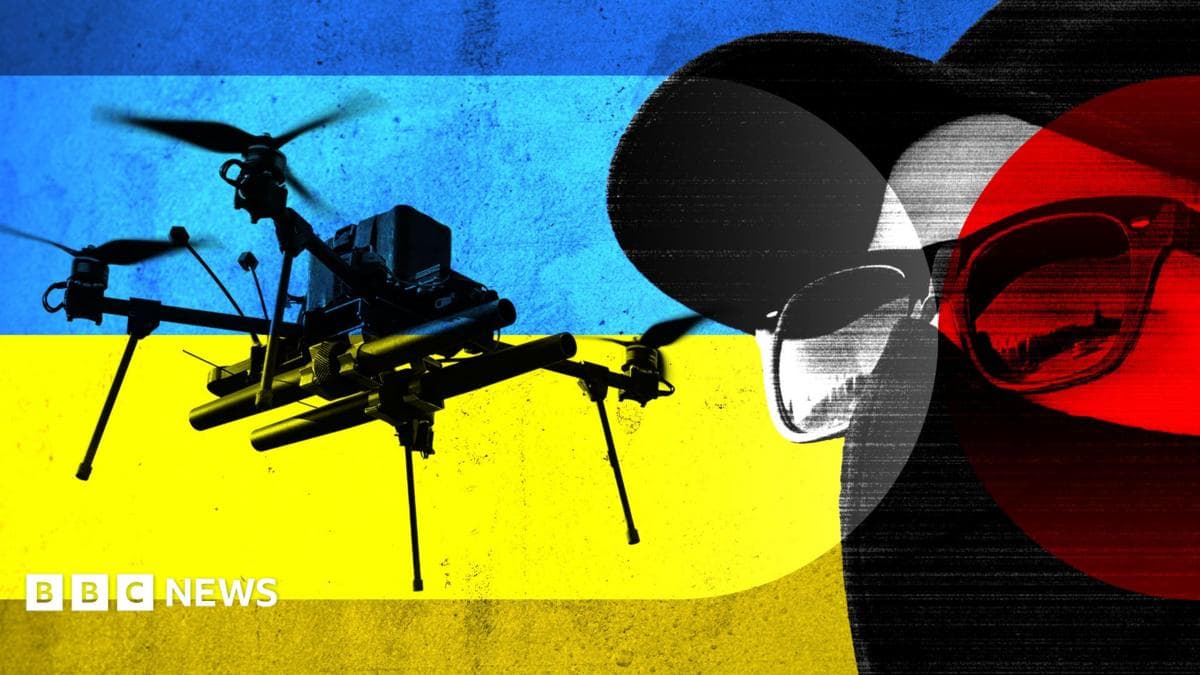
Two Russians secretly working for Ukrainian military intelligence (HUR) gave interviews for the BBC World Service documentary 'Shadowmen: Russians working with Ukraine' by independent Polish journalist Marcin Mamon. The men appear under the pseudonyms 'Ivan' and 'Foma'. HUR confirmed that both cooperate with the agency, but stressed that it cannot know the full picture. When asked whether 'Ivan' can be trusted, his handler replied: 'I am not sure of anyone except myself.' The details of their activities cannot be verified, but Ukrainian authorities have previously acknowledged using covert agents for coordinated drone attacks on targets inside Russia.
'Ivan': preparing drone attacks
'Ivan' claims that from Russia he took part in preparing Ukrainian drone attacks on strategic bombers and ammunition factories. According to him, he observed military facilities and looked for places to hide drone components. He sent Mamon a video in which, it is claimed, he hides explosives near a Russian military airfield. For such an act he would face terrorism charges and decades in prison. He said that once he was stopped for a vehicle inspection with homemade explosive devices, but was not detected. To reduce risk, there is 'no clear structure' in the work: he never met and did not know the identities of those he worked with. 'Ivan' is a former member of the political opposition, works for ideological reasons and believes that Putin's regime could fall in the event of defeat in the war: 'We are trying to speed this up.' He also said that most ideologically motivated people in Russia have either left or are in prison, so many participants in sabotage are either unaware (for example, truck drivers) or hired for money.
'Foma': a network of observers from Poland
'Foma', a Russian exile in Poland, runs a network of underground volunteers in Russia who conduct surveillance on high-ranking officers — candidates for HUR strikes. He stresses that his people never take part in the attacks themselves and only pass on intelligence. According to him, the network includes about 'three dozen' people in Russia, Ukraine and Europe; those outside handle logistics and tracking digital traces. He conducted online training for volunteers in surveilling officers and showed Mamon a database with the locations of warehouses, military units and the residences of generals and strategic aviation pilots. According to him, HUR proposes targets, but his team verifies the data itself before agreeing to work. After the assassination of Lieutenant General Fanil Sarvarov in Moscow in December 2025 (an explosive device under his car), 'Foma' admitted that he had provided the Ukrainians with intelligence about him and told Mamon that surveilling the general required great effort, as he changed his schedule and lived alternately with a mistress and a colleague.
Trust and doubts
It is impossible to verify the number of Russians working for Ukraine in this way; according to 'Foma's' estimate, there are 300–500 of them. 'Ivan's' freedom of movement raises questions — he regularly left Russia and returned despite his opposition past. To verify trustworthiness, he is sent to a third country, where agents undergo polygraph tests. The HUR handler later admitted that he cannot rule out 'Ivan' working for Russian intelligence services — voluntarily or under pressure. 'Foma' believes that free travel abroad is not necessarily a red flag: the system has 'holes' through which one can 'slip through like a mouse into a piece of cheese.' An indirect argument in 'Ivan's' favor is that more than a year before the massive attack by over 100 Ukrainian drones on military airfields, he predicted a major strike on strategic bombers, without specifying the time and place. 'Foma' also independently vetted 'Ivan' through contacts in intelligence services and considered it likely that he was involved in the attack on the largest military drone factory in Yelabuga in June of last year, where, according to reports, one person was killed.
Context
Since the start of the war, several political assassinations have occurred in Russia. Ukraine, as a matter of policy, never officially acknowledges responsibility for targeted attacks, although one Ukrainian intelligence officer previously admitted to the BBC involvement in the killing of Lieutenant General Igor Kirillov in December 2024. Both interviewees stated that they oppose not only the war but also Putin's regime. 'Ivan' noted constant fear as the backdrop of life: 'Fear is always present. It follows me everywhere. Even if you do nothing, you are still afraid. This is Russia.' Asked about the future, he replied: 'Putin will not live forever.'
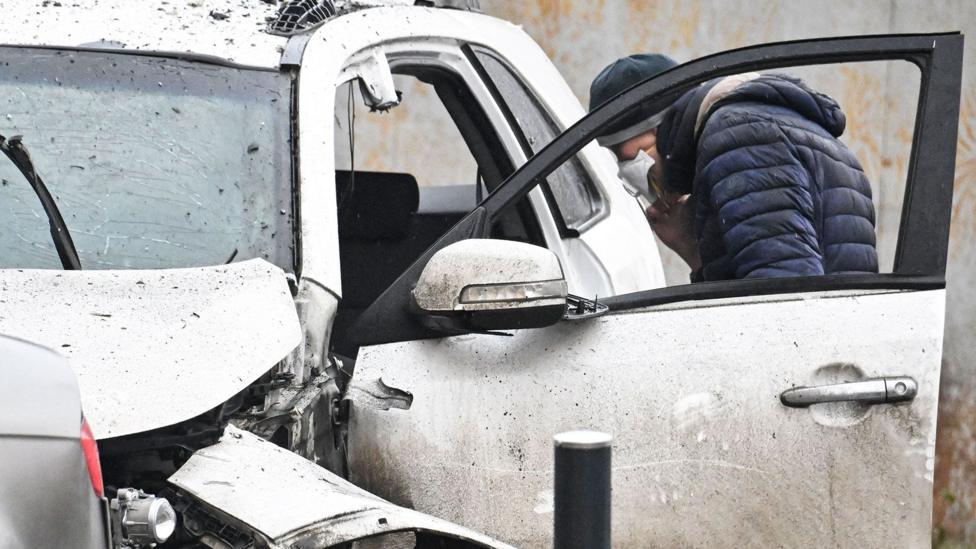 Image source, Getty Images
Lt Gen Fanil Sarvarov was killed in Moscow last year by an explosive device hidden under his car

Foma explained how he taught his undercover volunteers to trail Russian officers
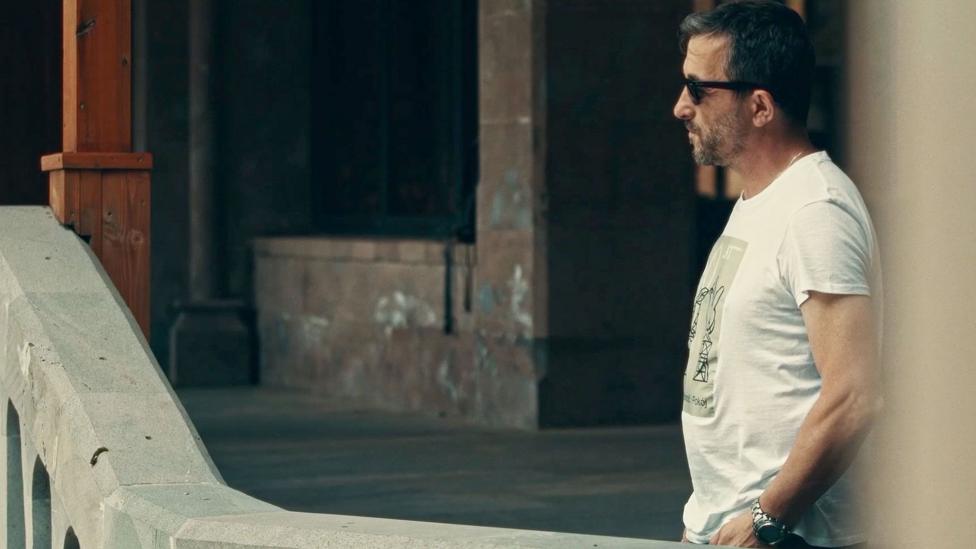
Marcin waiting to meet Ivan in Georgia - we were surprised by Ivan's apparent freedom to travel