The key facts
- Vance admitted mistakes and failures in the conduct of the war with Iran at a CBS News town hall
- At least 21 American service members have died since the war began in late February 2026
- Vance: troop placement was a mistake, tactics changed; the US demands Iran abandon rebuilding its nuclear program
Admitting mistakes at the town hall
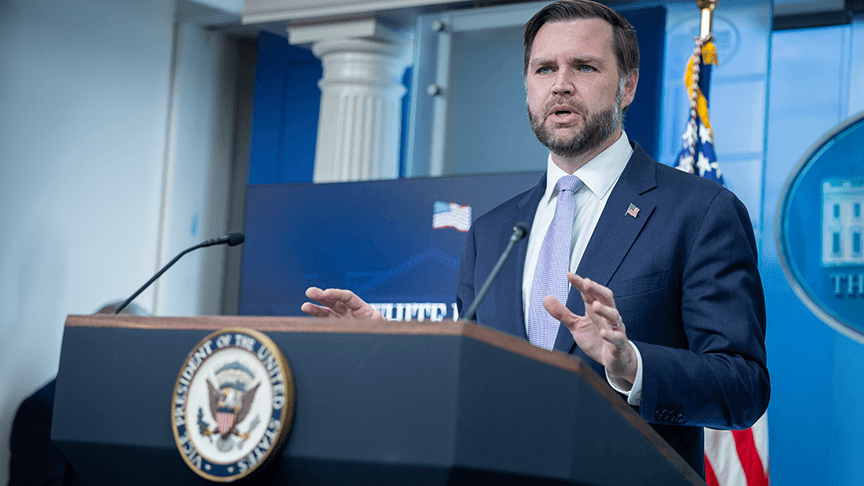
US Vice President JD Vance acknowledged there were 'many mistakes and many fundamental failures' in the American side's conduct of the war with Iran. The statement came during a CBS News town hall, where Vance was asked about the growing human and economic costs of the conflict.
Question from the widow of a fallen service member
Vance was asked a question by Joey Emore, whose wife — Master Sergeant Nicole Emore — was among six US Army Reserve service members killed in an Iranian strike on a military facility in Kuwait in the first hours of the war, which began in late February. According to Anadolu, at least 21 American service members have died in the conflict in total, with hundreds wounded. Emore cited reports that the facility had not been properly protected and demanded accountability from the Trump administration. 'While the Iranian drone was the weapon that killed my wife, there were many mistakes and fundamental failures that led to it,' he said.
Vance's response and admission of troop placement errors
Vance acknowledged shortcomings: 'Sometimes information doesn't reach me,' he said, promising to 'take every failure extremely seriously.' He also admitted that the placement of American troops exposed weak points in the military's approach: 'I know there are problems, for example… with where troops were stationed, which, as we realized, was a huge mistake and something we could have done better. And we changed that.' The vice president pointed to the growing threat of cheap drones and said the military had adjusted its tactics to protect service members and prevent further losses.
On the course of the war and the administration's goals
Answering a question about why Washington has so far failed to achieve a decisive victory despite President Donald Trump's initial expectations, Vance said the US has 'in some sense… won decisively,' but acknowledged that the outcome also depends on Iran's actions: 'The adversary also has a voice.' He defended the administration's strategy, saying Washington is seeking 'a final firm commitment from the Iranians that they will not rebuild their nuclear program.'