The key facts
- US Treasury approached RDIF on payments and 'tactical issues' of the diesel deal — Kirill Dmitriev
- The deal on Russian diesel fuel supplies was announced by Trump after a conversation with Putin
- Zelensky warned that easing restrictions could fund Moscow's war efforts
US Treasury approached RDIF
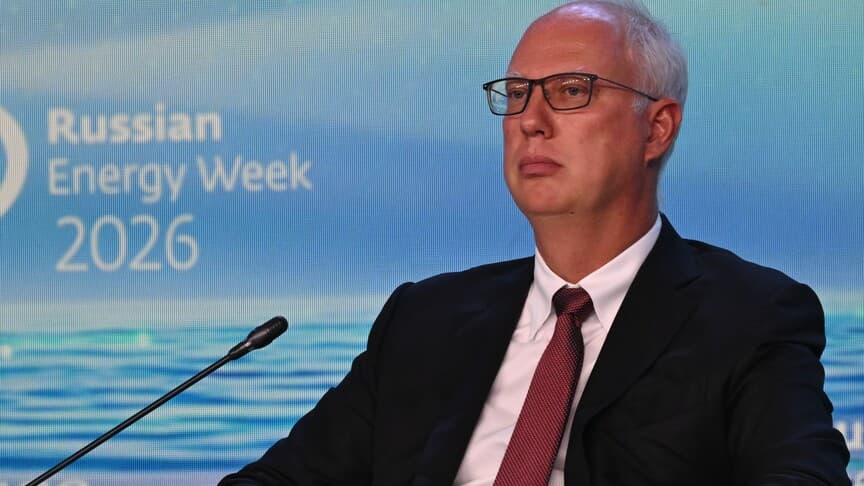
Russia said the US Department of the Treasury asked the country's sovereign fund to assist in implementing the diesel agreement between Moscow and Washington, announced a week earlier. At the 'Russian Energy Week' conference in Moscow, presidential envoy Kirill Dmitriev, who also heads the Russian Direct Investment Fund (RDIF), said the US Treasury had approached the fund for help — in particular, on processing payments and resolving 'purely tactical issues' related to the deal. 'RDIF will work to ensure that all payments go through efficiently and reach the recipients,' RIA quoted him as saying, citing Russian media.
Context of the deal
A week earlier, US President Donald Trump announced an agreement on diesel fuel supplies after a phone call with Russian President Vladimir Putin: Moscow agreed to supply fuel to the US market and global markets. Putin said that supplies of Russian diesel to the US and global markets would benefit the world economy. Ukrainian President Volodymyr Zelensky criticized the deal, warning that easing restrictions on Russian diesel exports could help finance Moscow's war efforts.
Next steps and other projects
Dmitriev said the US Department of Energy has already identified a number of Russian companies that will supply diesel fuel to the US. Speaking about Russian-American relations, he said the two countries would soon announce 'further important initiatives,' calling the diesel agreement an example of how 'the ice has finally begun to break.' According to him, the sides have 'a wide range of projects,' but 'there is resistance — sometimes significant — from various sides.' Russia and the US, Dmitriev noted, are discussing joint energy projects in the Arctic, in LNG and other areas, as well as negotiations on joint data center projects, including those using energy from Russian nuclear power plants.


