The key facts
- Several local councils in England have introduced two-week autumn half-term breaks for 2026/27, including Nottinghamshire, Bromley and the Isle of Wight
- 60.4% of pupils in England attend academies, which set their own term dates, fragmenting the calendar
- A survey by Unity Schools Partnership: 58% of parents in favour, 89% of staff support it; sickness absence fell by 16%
What is happening
A growing number of schools in England are switching to two-week autumn half-term breaks instead of the traditional one week. According to the School Term Dates website, most councils keep one week, but for the 2026/27 school year the two-week format was chosen by Nottinghamshire, Bromley and the Isle of Wight. Surrey County Council moved to two weeks this year, but after concerns from head teachers decided to return to one week from next year. Schools that lengthen the autumn break usually shorten the summer one. Education is a devolved matter in Wales, Scotland and Northern Ireland: Wales postponed plans for two-week breaks in 2024, while individual schools in Scotland and Northern Ireland have already introduced them.
Parents' problems
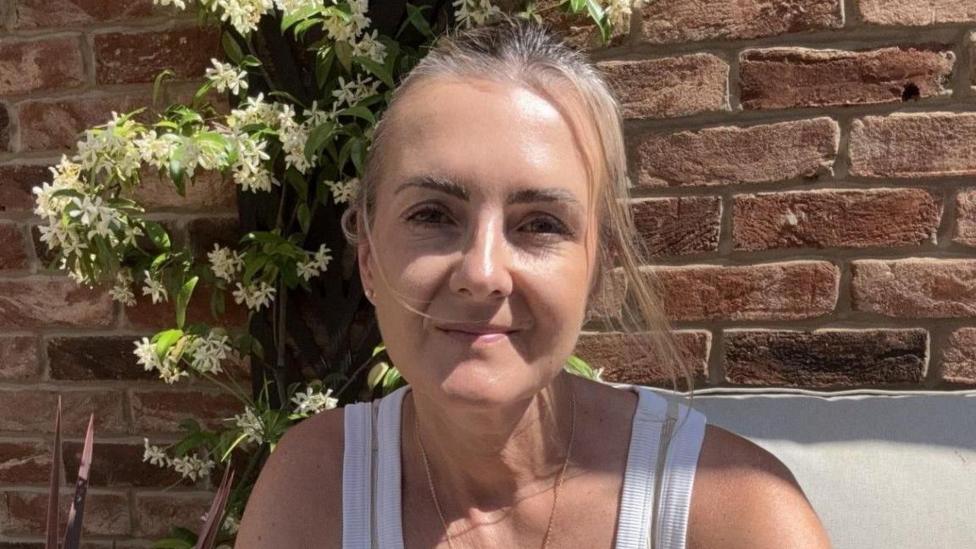
Samantha Buckland, 45, from Reigate (Surrey), a single mother who combines teaching at a Brighton hospital with work in a vintage shop, fears the cost of childcare for her seven-year-old son during the two-week break. The local club operates for only one of the two weeks, and, in her words, 'parents are furious'. Similar difficulties are described by 42-year-old Alister Pringle from Washington (Tyne and Wear): his older child attends an academy with two-week breaks, the younger one with one-week breaks, so the family faced different schedules for the first time. Parents paid by the hour with inflexible schedules, they say, suffer the most. Full-time workers are entitled to a minimum of 28 days of paid leave — less than the average length of school holidays; unpaid parental leave (up to 18 weeks per child, no more than four weeks a year) is too expensive for many.
Benefits for families
For some parents, the two-week break is a plus. Fay Harding, 43, from Nottingham: her husband, a teacher, and their three children at academies are off at the same time, which saves additional childcare costs. The family plans to spend the first week with relatives in Wales, and during the second week her husband will look after the children while she works. In her words, this makes it possible to avoid paying inflated summer prices for a holiday.
Teachers' view
Lucy Walker-Etchells, 40, a teacher at Dixons Brooklands Academy in south Manchester, says she definitely prefers two weeks: autumn is a stressful term, and a long pause helps recovery. She believes that shortening the summer holidays could help vulnerable pupils who find six weeks outside school structure hard. The Unity Schools Partnership trust, which runs 40 schools in eastern England, introduced two-week autumn breaks in autumn 2023. A survey showed: 58% of parents were in favour, the rest against; 89% of staff supported it. The trust's chief executive, Dominic Norrish, notes that support for the format has become a reason to stay with the trust, and the number of days lost to sickness absence fell by 16% — people get ill less often because they manage to recover.
The academies context
According to Department for Education data published in June 2026, 60.4% of pupils in England now attend academies, which often set their own term dates. This makes the school calendar increasingly fragmented and creates new difficulties for parents, especially if children in one family attend schools with different schedules.
Bottom line
Parents' reactions largely depend on circumstances: the availability and cost of childcare, flexibility of work and the ability to travel outside peak season. Buckland herself admits that two weeks may benefit her son, giving him more time to recover during the long autumn term, but worries about how she will cope herself: 'They may be good for children — just not good in terms of finding childcare.'
 Image source, Getty Images
 Image source, HANDOUT
Samantha Buckland, pictured here with her son, says she's trying to piece together the patchwork of childcare needed to cover the break