The key facts
- The SNP held its conference in Aberdeen after winning a fifth consecutive Scottish Parliament election in May
- Premier Andy Burnham proposes a 'new model of regional economic expansion' and the transfer of DWP powers, but rejects a new independence referendum
- A group called 'Independence' has been created within the SNP; the party is preparing for possible early elections
Scottish agenda dominates British politics
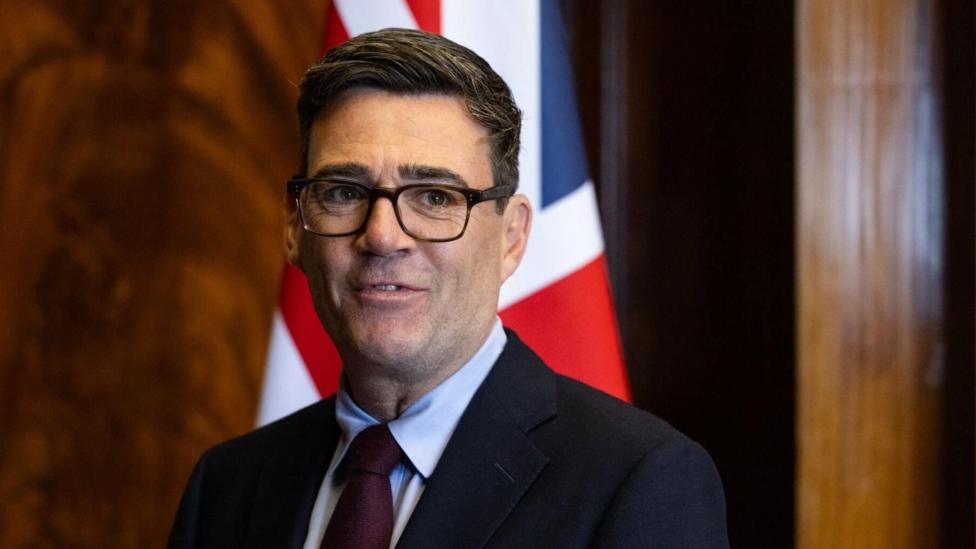
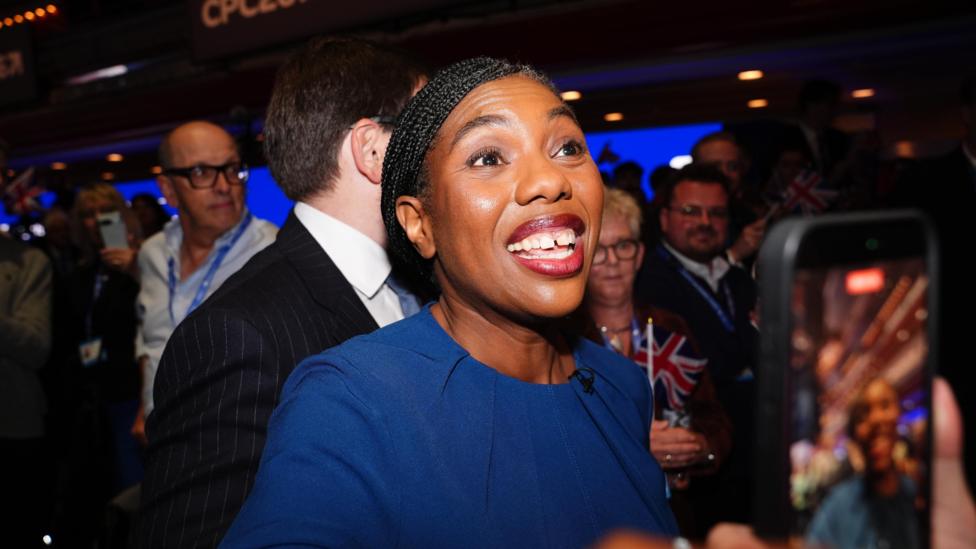
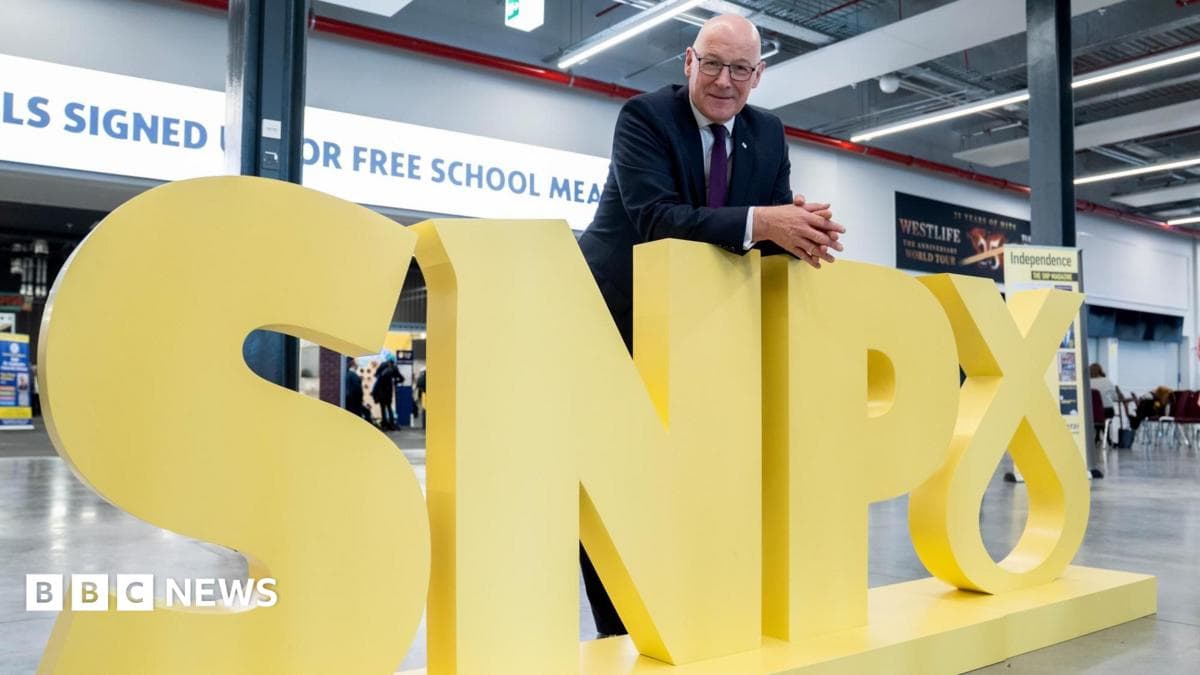
The UK's political agenda in recent days has taken on a distinctly Scottish character: the SNP is gathering for its annual conference at the Event Complex on the outskirts of Aberdeen, Conservative leader Kemi Badenoch visited Paisley and Edinburgh, and Prime Minister Andy Burnham visited Motherwell. The party is in an upbeat mood: in May it won a fifth consecutive Scottish Parliament election, albeit with fewer seats than in 2021. Next year will mark 20 years of the SNP in power at Holyrood. This contrasts with the situation of two years ago, when the party suffered a crushing defeat in the 2024 general election, losing 36 seats to Labour.
The legacy of crisis and Swinney's mandate
Critics of the SNP point to internal problems — the state of the healthcare system and the number of drug-related deaths. The party counters that Scotland has more police officers per capita than England and Wales, and the highest spending per school pupil in the UK. Alongside the electoral defeat, the party also went through a criminal crisis: former SNP chief executive Peter Murrell — the estranged husband of former first minister Nicola Sturgeon — was jailed for embezzling more than £400,000 of party funds. SNP leader and First Minister John Swinney received his own mandate in the May elections and now looks ahead to a parliamentary term with a new prime minister in Downing Street.
Burnham and Swinney: shared diagnosis, different goals
Burnham and Swinney agree that Westminster is failing at its tasks and that power should be closer to people. However, the prime minister considers constant questions about Scottish independence 'drama' and a distraction from business, whereas for Swinney independence remains the goal of his entire political life. Critics of Burnham, including the SNP, see a 'distinctly English' tint in his devolution instincts. In Motherwell, the premier objected: 'I want growth in every postcode here and across the whole of the UK and I want to work with the first minister to achieve that. We will not agree on everything, but we can agree on something,' and declared his intention to 'jointly develop a new model of regional economic expansion in Scotland, handing control to local people.' Burnham proposed transferring powers over local employment support, currently held by the Department for Work and Pensions (DWP).
Dispute over centralisation and the referendum
Burnham and Scotland Minister Douglas Alexander stated that Scotland is 'one of the most centralised countries in Europe'; Swinney categorically rejected this claim. The first minister wants 'far more scope for a regional dimension' in skills, the economy and planning; his team acknowledges that this concept echoes combined regional authorities in England, but without mayors. In Aberdeen, activists seized on the premier's remarks about Brexit: if he can revisit the outcome of the 2016 EU referendum, then Scots should have the right to revisit the 2014 independence referendum. The SNP also cites an exchange in the House of Commons in September, when Burnham allowed for the possibility of a new referendum if there was public demand. The prime minister and Downing Street reject such an interpretation: he wants to 'move on' from the independence issue.
The SNP's strategy: build the case for independence and wait for elections
Private admissions by senior SNP figures: the right to authorise a new referendum belongs to Westminster, and the UK government says 'no'. Therefore, the party intends to gradually build the case for independence through its own governance. A new group called 'Independence' has been created within the SNP. At its launch, former policy convener Toni Giugliano said: 'Countries do not become independent by waiting for permission. It happens when support becomes unstoppable and a national consensus for change is formed.' He also believes that fundamental questions — currency and the operation of the state pension — need to be resolved now. In the near term, the SNP is pondering when the prime minister might call a general election: buoyed by its Holyrood victory, the party sees vulnerability among Labour in the very areas Labour took from it two years ago.
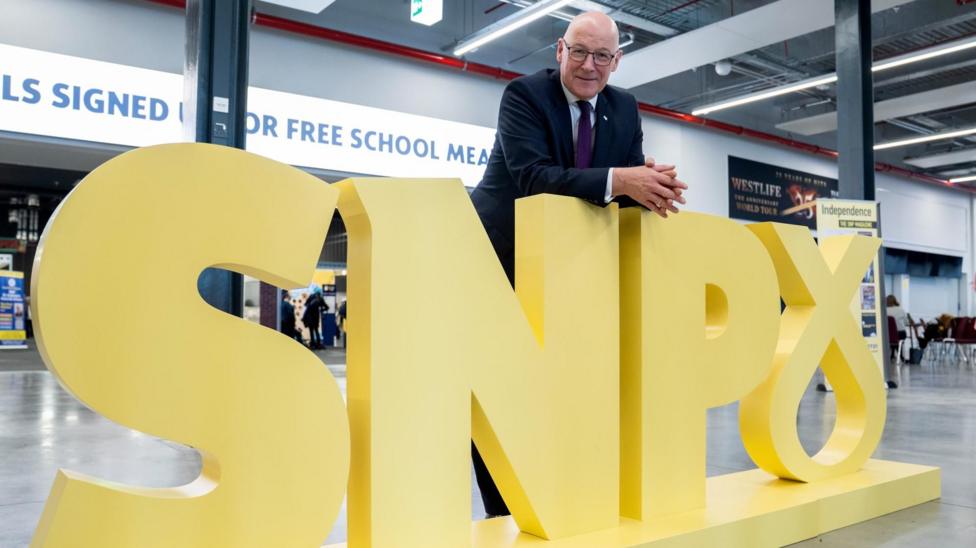 Image source, PA Media
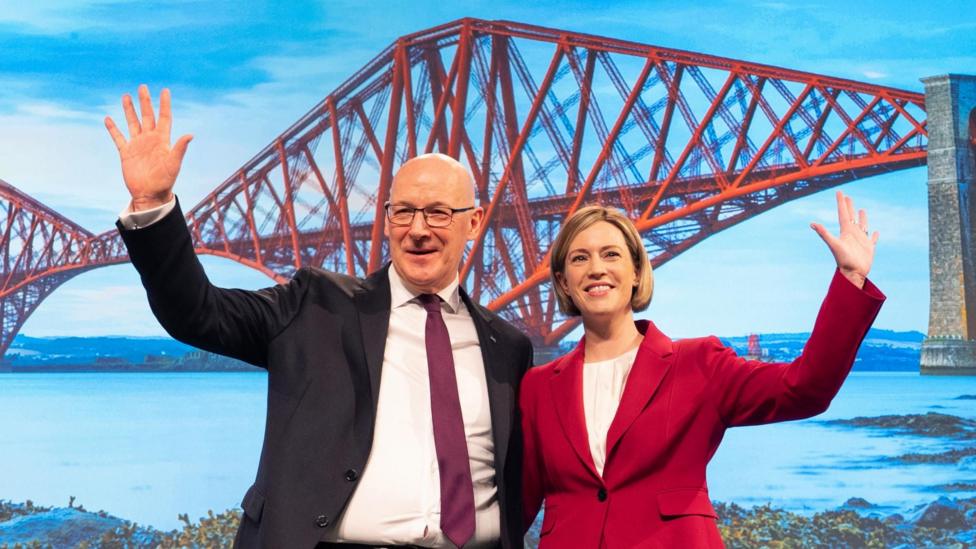 Image source, PA
Scottish First Minister and SNP party leader John Swinney with Deputy First Minister Jenny Gilruth.