The key facts
- Sánchez rejected criticism from Babiš, Frederiksen and Stocker as not matching the facts, comparing the Czech PM's words to the rhetoric of the Vox party.
- Denmark, Poland and Italy proposed including a hint at Spain's plan to legalize 600,000 migrants in the summit conclusions, but Spain and France blocked it.
- Von der Leyen reported that irregular crossings of EU borders fell by more than 56% over two years and promised a proposal to strengthen Frontex.
Sánchez: 'One thing is chatter, another is reality'
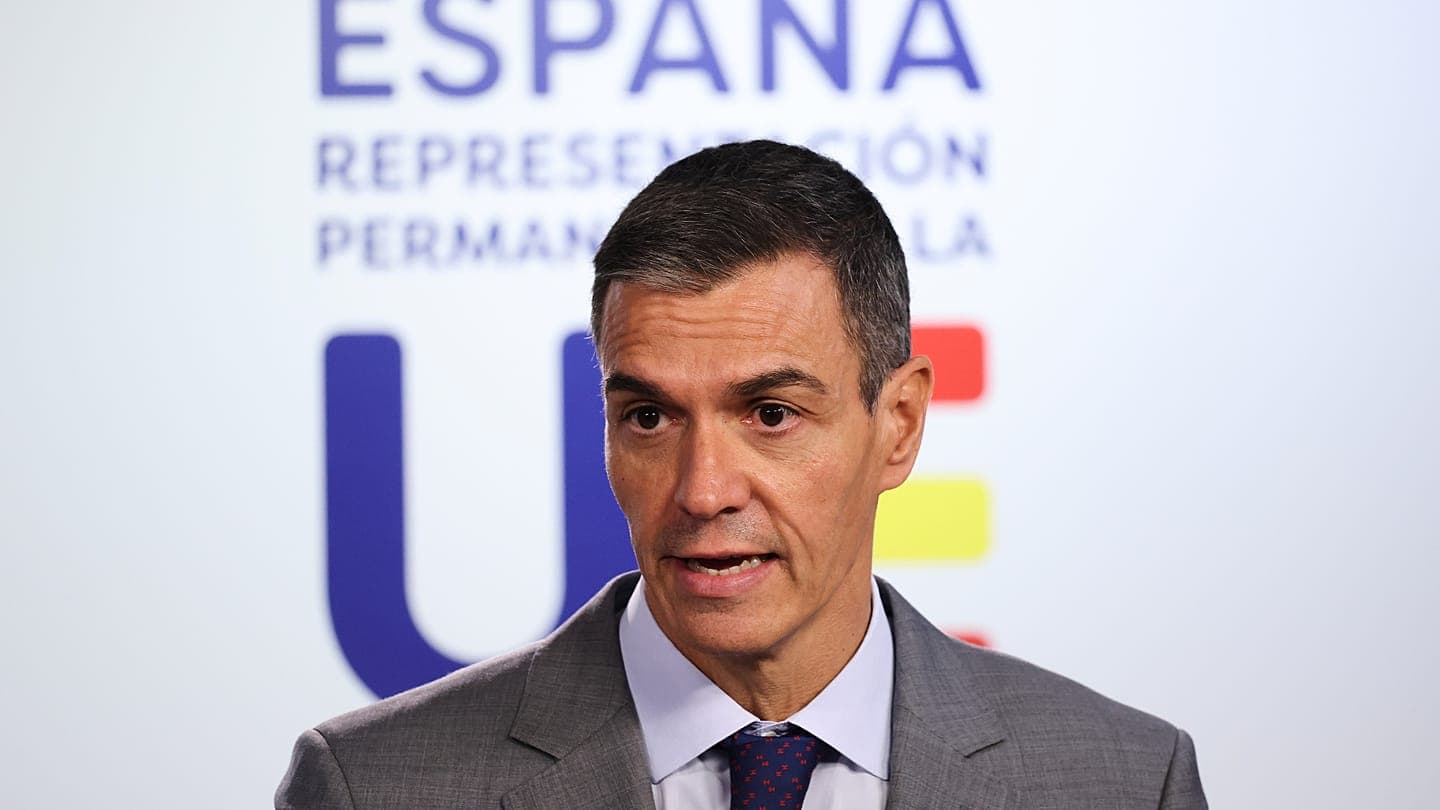
Spanish Prime Minister Pedro Sánchez on Friday at the European Council summit in Brussels rejected criticism of his migration policy from a number of European leaders. 'If you look at the facts, at the figures — which, by the way, always happens with the far right — it is like night and day,' he said, adding that 'one thing is chatter, and another is reality.' The criticism came from Czech Prime Minister Andrej Babiš, Danish Prime Minister Mette Frederiksen and Austrian Chancellor Christian Stocker, who questioned Spanish policy, especially the plan for the extraordinary legalization of migrants. Sánchez drew a distinction between his disagreements with the Danish PM and the criticism from his Czech counterpart, which, he said, 'very much resembles what the far-right Vox says in Spain.'
The critics' complaints
Babiš accused some European leaders of being willing to 'replace the population' in order to stay in power, and warned that the Czech Republic could tighten border controls to prevent the arrival of migrants from other EU countries. Stocker called the Spanish legalization plan 'a bad signal' that could have consequences for the entire EU. Frederiksen called on the European Commission to study the consequences of the Spanish measures.
Sánchez cites Spain's figures
In response, Sánchez said that Spain is making progress in controlling irregular arrivals and in cooperation with countries of origin and transit. 'The Pact on Migration and Asylum, which we achieved under the Spanish presidency, is working,' he said, calling Spain a 'model pupil' in the fight against irregular migration. He cited interceptions in the Atlantic, deportations and entry refusals at airports, and also rejected claims that Spain is part of the routes of secondary movements of migrants within the EU. He also stressed the importance of keeping a progressive government in Spain and urged partners to continue implementing the pact.
Von der Leyen: strengthening external borders and Frontex
European Commission President Ursula von der Leyen stressed the need to implement the pact on migration and asylum and to strengthen cooperation between states, noting that irregular crossings of EU borders have fallen by more than 56% over the past two years. She named three priorities: full implementation of the pact, strengthening the management and protection of external borders, and increasing readiness for possible border crises. Von der Leyen announced that the Commission will propose strengthening the border agency Frontex, adding that responsibility and solidarity must go hand in hand. 'To succeed, we must continue to act together,' she said against the backdrop of persisting disagreements between leaders.
Dispute over the summit's conclusions
Denmark, Poland and Italy sought changes to the summit's concluding document, including an indirect reference to Spain's plan to legalize the status of 600,000 irregular migrants. Spain and France opposed it. According to a revised draft seen by Euronews, the document called on states to avoid 'measures that may create incentives for irregular migration,' but the broader wording was ultimately rejected in favor of a shorter and softer version. The draft also called on the Commission to strengthen the coordination of national migration policies capable of affecting other countries; the three countries' initiative was seen as veiled criticism of Spain's left-centrist government.
Macron backed Spain
French President Emmanuel Macron said after the summit that 'ideological disagreements' between EU countries on migration make them 'ineffective,' and expressed support for Spain over the crisis in Ceuta. 'We had a bad debate,' he said. 'My conclusion: when we politicize this discussion at the table, we create a split. And when we are split and retreat into national solutions, we become ineffective.' Macron called the crisis in Ceuta 'a humanitarian tragedy' and noted that France did not sign the letter sent to Brussels by 22 EU countries. 'Spain was subjected to a hybrid attack,' he added, noting that 'there was no need to wait for today to know who attacked Spain immediately after the events in Ceuta.'