The key facts
- The plant in Ho Chi Minh City cost $150 million and will increase Pandora's capacity by 50% — up to 60 million pieces of jewellery per year
- Up to 7,000 people will work at the facility; according to the company, it will run entirely on renewable electricity
- The company faces challenges: US tariffs, inflation and past labour disputes in Thailand
The largest jewellery plant — in Vietnam
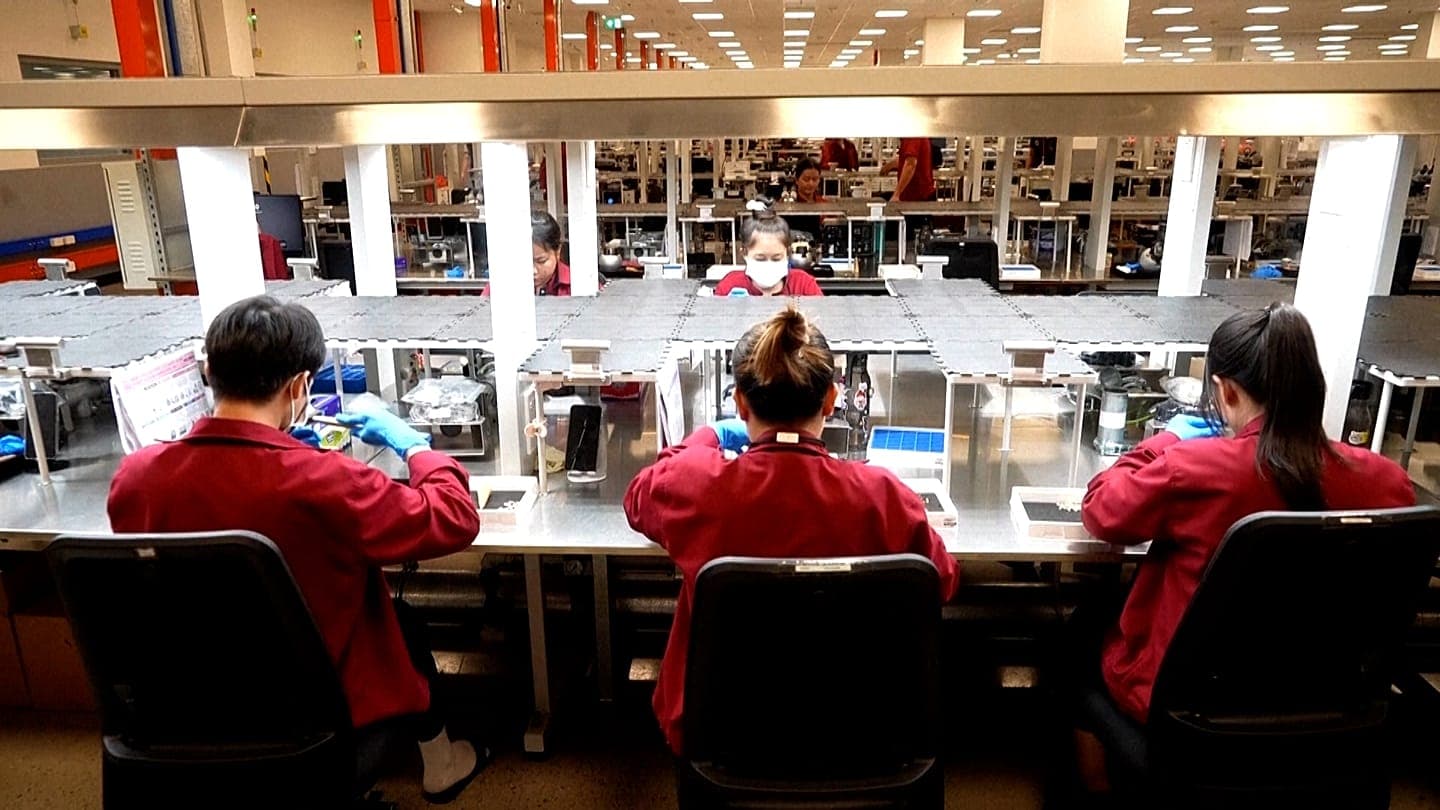
Pandora has opened in Ho Chi Minh City what the company claims is the world's largest production complex for manufacturing jewellery from precious metals. According to the opening announcement, the plant will increase the Danish company's production capacity by 50% and will be able to produce up to 60 million items per year. The facility is expected to reach full capacity with a workforce of 7,000 people. This is Pandora's fourth plant in the world and its first outside Thailand. Chief executive Berta de Pablos-Barbier said the new site gives the company 'the flexibility to make all our collections, the entire assortment in all materials and using all production technologies'.
Scale of the business and investment
Pandora invested $150 million (€132 million) in the project. In 2025, the company sold 112 million items — more than three per second — and calls itself the world's largest jewellery brand. The company's history began with a small shop in Copenhagen founded in 1982; production in Thailand started in 1989, the launch of the charm bracelet in 2000 fueled international expansion, and in 2010 Pandora listed its shares on the Copenhagen stock exchange.
Environmental ambitions
According to the company, the plant will run entirely on renewable electricity. Since 2024, Pandora has used only recycled gold and silver in jewellery production. De Pablos-Barbier said the company intends to keep growing 'in a sustainable way'. Salim H. Ali, an expert on critical minerals at the United Nations University, noted that gold is well suited for repeated use: 'In many ways it is made for the circular economy. It does not oxidise. That is why it is so valuable,' adding that 'there is still gold from the ancient Egyptians in quite good condition'. At the same time, recycling metals still requires energy: refining involves heating and separating the metal from impurities. Pandora aims to extend the use of renewable electricity beyond its own operations — to its suppliers.
Challenges of a growing market
According to The State of Fashion 2026 report by McKinsey and The Business of Fashion, jewellery sales in units will grow by an average of 4.1% per year in 2025–2028 — roughly four times faster than clothing sales. However, market growth does not guarantee Pandora an easy path. In its results for August 2026, the company warned that US import tariffs would continue to pressure profitability. The tariffs affect sales in the US — Pandora's largest market, where demand is also held back by inflation and economic uncertainty.
Questions about working conditions
Past labour conflicts have drawn attention to production conditions. The Danish investigative outlet Danwatch reported in 2020 that a Thai labour court ruled in May 2019 that union activity contributed to worker dismissals at Pandora's plant in Bangkok. The company said the layoffs were related to restructuring and employee performance evaluations. It remains unclear whether Pandora will be able to expand production in Vietnam while simultaneously reducing emissions and protecting workers' rights.


