The key facts
- More than 1.1 million people in the UK who have never smoked are vaping — the number grows year on year (ONS).
- Nearly one in six people aged 25–34 may use e-cigarettes daily or occasionally.
- Fewer than half (45%) of healthcare settings in England offer help with quitting vaping.
From disgust to habit
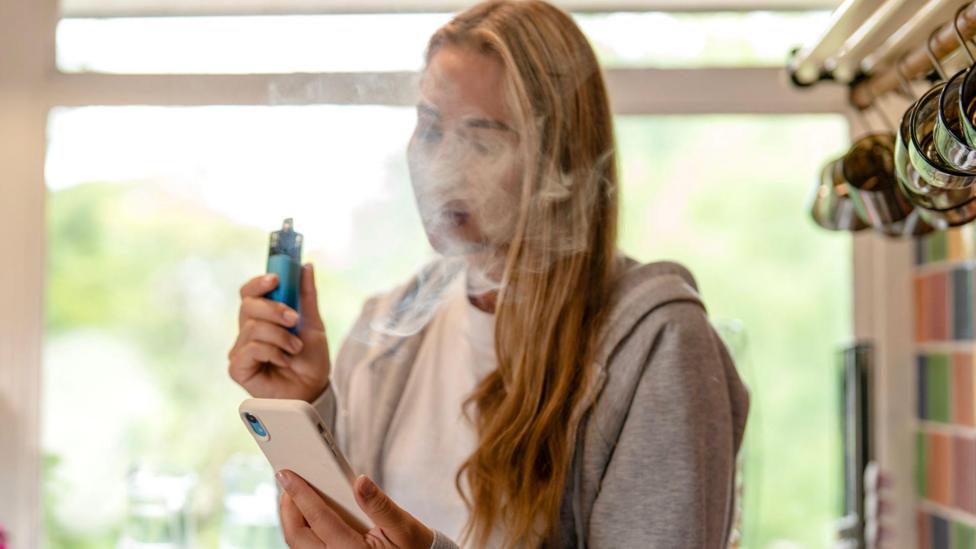
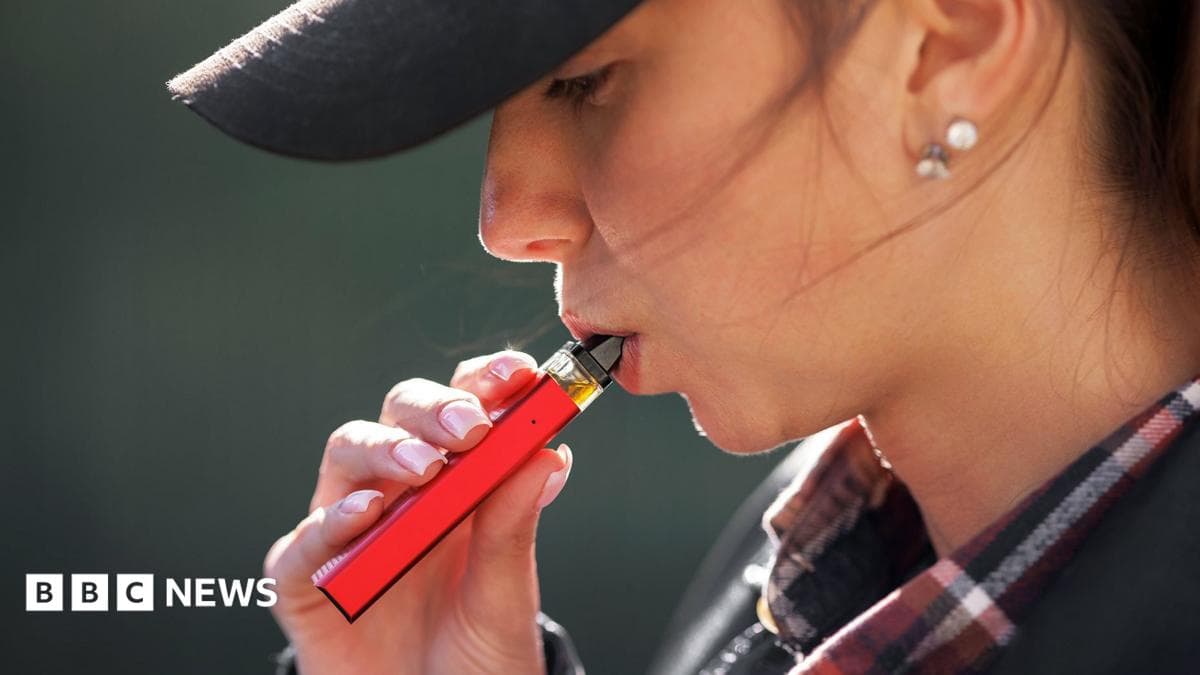
When vaping first appeared at Gracie Mungulu's school, she openly said she found it as off-putting as smoking. But the habit became so widespread among her classmates that by the age of 16 she started vaping too — the first attempt ended in a cough, not an inhale. 'The more you see it, the more you start trying it, and then you just get used to it and do it all the time,' she told the BBC. Now 21-year-old Gracie buys a £5 refillable vape every day and uses it almost constantly, working as a hairdresser and in a school. She is part of the more than one million group of Britons who, according to a recent Office for National Statistics (ONS) survey, have never smoked but now vape — and that figure is growing year on year.
Psychological dependence and the 'dopamine hit'
Vapes were originally positioned as a way to help smokers quit cigarettes. According to the NHS, vaping nicotine — a highly addictive substance that causes irritability and anxiety upon withdrawal — is less harmful than cigarettes, but the long-term effects remain unclear. Gracie believes the vape helps her with social anxiety: the hand action itself matters, 'something in the hand, something in the mouth.' General practitioner Helen Wall says patients often describe 'a psychological dependence on something that almost regulates their emotions.' Malin Andersson, a Love Island participant and domestic violence campaigner, started vaping amid a stressful breakup and calls it a 'dopamine hit' and 'a version of a dummy for adults.' At 33, she quit in May this year, tired of her dependence on banana ice-flavoured vape. Alex from Manchester, 26, also gradually got drawn in: starting with occasional puffs at parties, she worked lying in bed with a laptop and a vape on her chest.
Experts: diverted or drawn into risk
Professor Sarah Jackson of UCL's alcohol and tobacco research group notes that some people in this group might have started smoking if not for vaping — in that case it 'diverted them from more harmful behaviour.' On the other hand, there are those who are exposed to greater risk than they would otherwise have had. A 2024 UCL study showed that nicotine use among young adults in England has risen, although cigarette smoking has fallen — from which it can be concluded that some vapers would not otherwise have smoked. According to ONS, about 5.4 million people aged 16 and over vape in Britain, while the number of smokers continues to decline steadily — 4.9 million adults smoke in the UK.
Marketing and regulatory measures
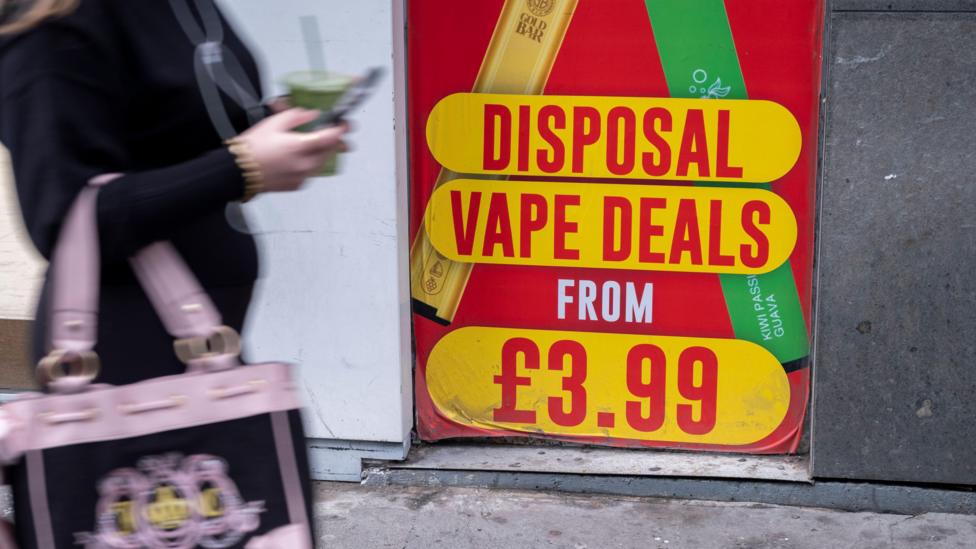
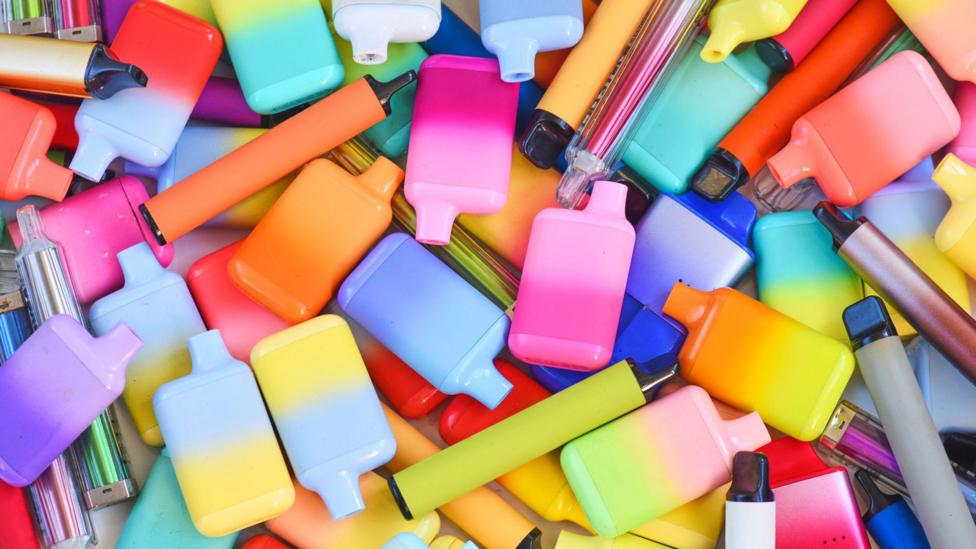
Hazel Cheeseman of the charity Action on Smoking and Health believes that among the 1.1 million vaping non-smokers there is probably a group that would not have vaped without the 'very visible' marketing of vapes with bright colours and sweet flavours. The government has held a consultation on new measures and promises a response in due course. The NHS warns that non-smokers and those aged 17 and under should not vape at all; buying vapes is prohibited for those under 18, and disposable vapes — a key driver of youth vaping — were banned last year. Wall says active marketing contributed to the 'misconception' that vapes are 'safe and non-addictive.' Gracie suggests selling vapes in standardised plain packaging, like cigarettes: 'With vapes — all these flavours, all these pretty colours — it just makes them more appealing.'
Quitting is hard, support is limited
Gracie considers her habit problematic and has thought about quitting to save £35 a week, but, as with cigarettes, quitting vaping is hard. Alex, having stopped vaping during several months of travelling, started smoking cigarettes for the first time — experts do not consider this a healthy way to quit vaping, and smoking remains the leading cause of preventable illness and premature death in the UK. The NHS advises gradually reducing nicotine strength, increasing intervals between sessions, or switching to suitable nicotine replacement therapy. However, professional support is uneven: a recent survey showed that only 45% of healthcare settings in England offer help with quitting vaping, and the picture of support in the rest of the UK is mixed. Wall notes that for those who started straight with vapes, part of the message has been missed: 'Vaping was intended by the NHS only as a replacement for cigarettes.'
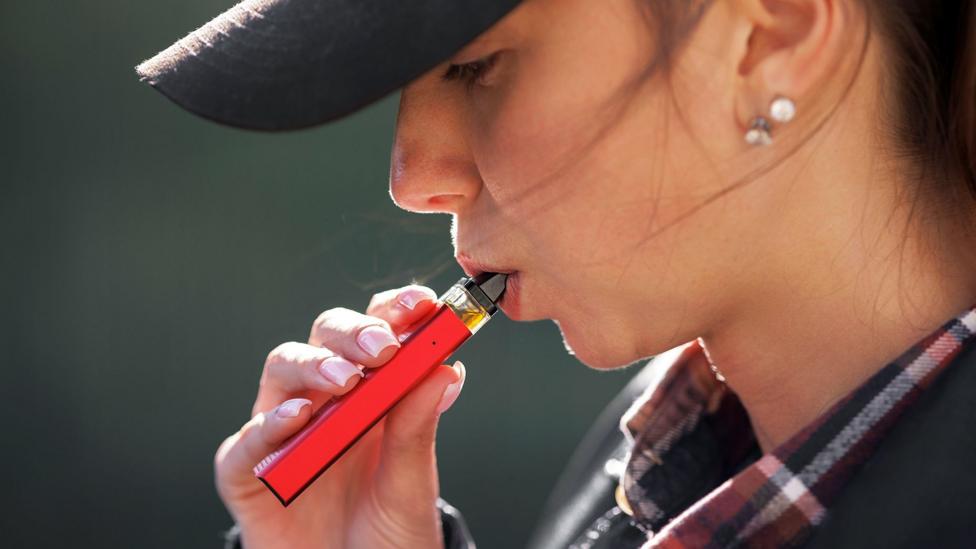 Image source, Getty Images
 Image source, HANDOUT
Gracey says the thought of quitting her vape scares her
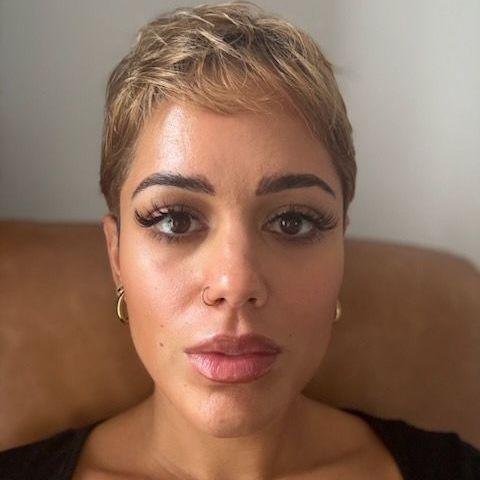 Image source, HANDOUT
Malin said she believed her mental and physical health had improved since quitting vaping in May
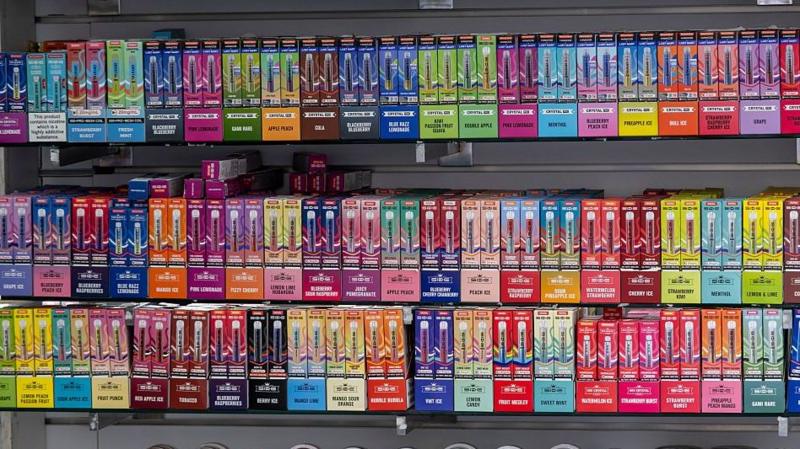 Image source, Getty Images
Gracey says she buys a refillable vape at a cost of £5 every day