The key facts
- Ka Ying Rising lost for the first time in 22 starts, finishing second, beaten by a head
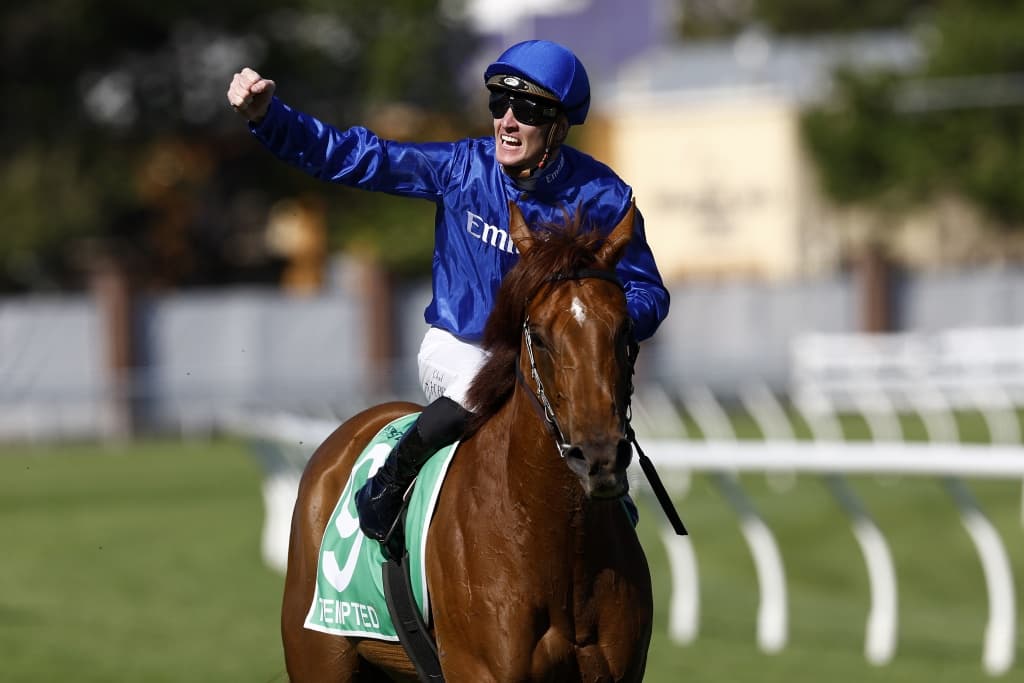
- Tempted (jockey Chad Schofield, trainer Ciaron Maher) won Aus$7 million
- Third place went to Joliestar (Chris Waller, James McDonald)
The favourite's first defeat
Hong Kong superstar sprinter Ka Ying Rising on Saturday suffered the first defeat of his 22-start career, losing to the mare Tempted in The Everest at Royal Randwick racecourse in Sydney. The six-year-old gelding, ridden by Zac Purton, was a huge favourite, but drew the outside gate and finished second — beaten by just a head, according to AFP. Trained in Hong Kong on the firm tracks of Sha Tin, he was feared before the start to be affected by the soft ground after recent heavy rain.
Tempted's triumph
Victory went to the four-year-old mare Tempted — last year's runner-up in The Everest, where she was beaten by none other than Ka Ying Rising. Under Chad Schofield and from gate one, she raced near the lead and burst clear of her rivals with a powerful surge, earning 7 million Australian dollars (US$4.9 million) for a race lasting about a minute. Schofield noted that he usually rides her in a relaxed style, but this time he was watching the best horse in the world and kept her on his outside, while Tempted took the lead very early and bravely held her advantage. Trainer Ciaron Maher said: 'Amazing. I thought she'd run a personal best. I'm thrilled.'
The beaten horse's trainer explains
Ka Ying Rising's trainer David Hayes explained the defeat by the way the race unfolded: the horse was caught wide without cover and dropped further back than planned, while the winner and the third-place finisher 'cut the corner' and got the perfect run. Ka Ying Rising, drawn in gate 11 of 12, was sixth at the halfway point and began his finishing surge too late. Third place went to Joliestar, trained by Chris Waller and ridden by James McDonald.
About the race
The Everest is run over 1200 metres (six furlongs) under weight-for-age conditions and brings together 12 of the world's best sprinters. It is the highlight of the Sydney Spring Carnival and the richest turf race, with a prize pool of 20 million Australian dollars — second only in racing riches to the sand-based Saudi Cup. The prize money exceeds that of the Melbourne Cup, Kentucky Derby and Prix de l'Arc de Triomphe; even the last-placed horse receives 700,000 Australian dollars. Under the format, modelled on the American 1800-metre Pegasus World Cup, participants buy a slot for 700,000 Australian dollars and arrange horses with owners and jockeys, sharing the prize money.