The key facts
- The new EU sanctions package covered 1,569 entities: 826 legal entities and 743 individuals; the total number of sanctioned entities grew from roughly 3,000 to 4,600 (+~50%).
- The restrictions affected GAZ, nickel enterprises, organizations servicing the railway systems of Moscow and St. Petersburg, companies in radio-frequency technologies, and suppliers to the missile industry, where over 250,000 people are employed.
- One company was removed from the list at Estonia's request as an important supplier of raw materials; sanctions were also imposed on 77 people who participated in State Duma elections from annexed territories.
The scale of the new sanctions package
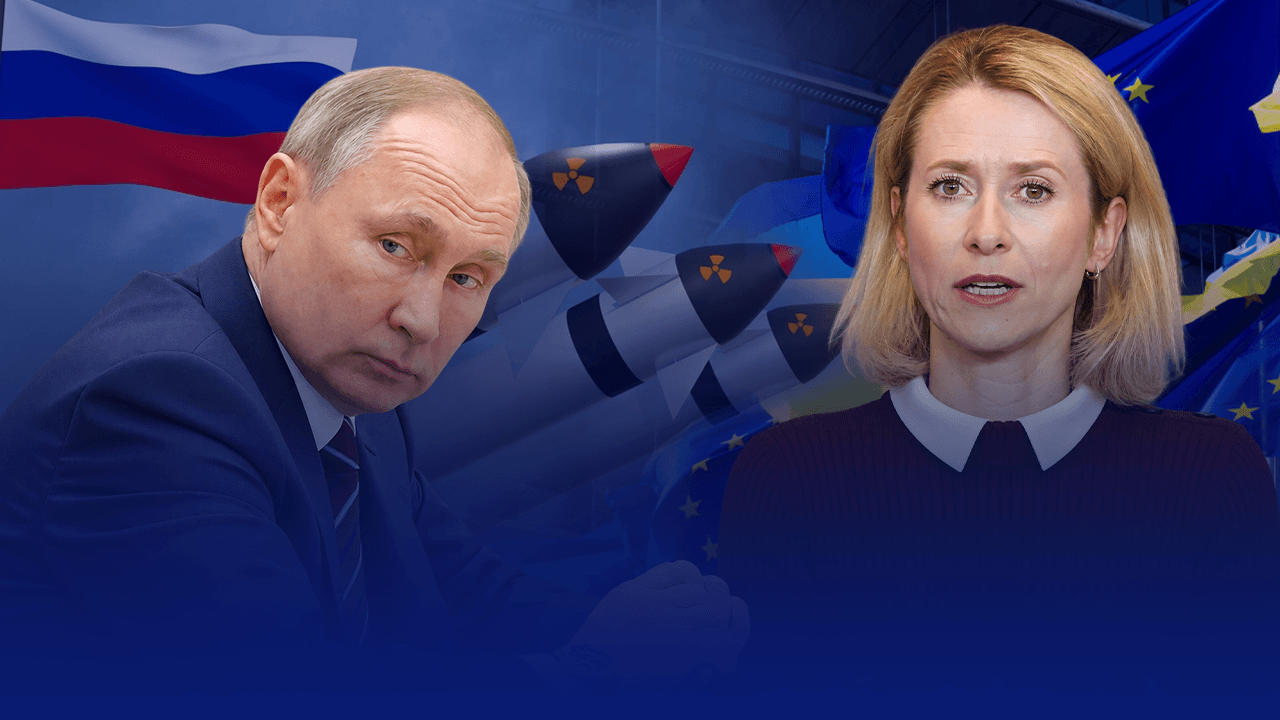
The European Union adopted a new sanctions package against Russia, which political analysts Jahongir Akramov and Anvar Yoʻldoshev, on the «Geosiyosat» program (Kun.uz), called one of the largest since the start of the war. According to Akramov, the measures covered 1,569 entities: 826 companies and other legal entities and 743 individuals. As a result, the total number of entities on sanctions lists grew from roughly 3,000 to 4,600, an increase of almost 50%. The analyst noted that the decision was made in a short time frame.
Main targets of the restrictions
According to Akramov, the main targets of the sanctions are companies supplying the Russian army with equipment for producing weapons, missiles, and drones. The list includes the GAZ automobile plant in Nizhny Novgorod. Restrictions were also imposed on a number of nickel industry enterprises, organizations servicing the railway systems of Moscow and St. Petersburg, and companies working with radio-frequency and communication technologies important for the Russian armed forces. Yoʻldoshev added that the package was record-breaking in scope and targeted the middle tier of the missile production chain — suppliers of microchips and other key components, where more than 250,000 people are employed in total; their executives were also sanctioned.
Exclusion at Estonia's request and pressure on third countries
One of the companies planned for inclusion in the list was removed from it at Estonia's request: it is an important source of raw material supplies for the country. According to Akramov, the new restrictions may affect the European assets and bank accounts of the sanctioned companies and limit their economic ties with Europe. The EU may also increase pressure on partners in third countries trading with these companies, including trade links through Turkey and the UAE.
A signal to the US and further packages
Akramov assessed the decision as an important step in intensifying financial pressure on Russia, which may lay the groundwork for the next, 22nd and 23rd, EU sanctions packages. According to available data, about 100 of the sanctioned companies have trade ties with the US. The analyst suggested that the EU is thereby indirectly pressuring Washington, strengthening its position in case of a possible softening of American sanctions policy. Against the backdrop of the likelihood of a temporary weakening or lifting of some US restrictions, the EU decision can also be interpreted as a pre-emptive economic and political measure.
Sanctions against participants in the State Duma elections
According to Yoʻldoshev, sanctions were also imposed on 77 people who participated in elections to the State Duma on behalf of territories annexed by Russia — the Donetsk, Luhansk, Kherson, and Zaporizhzhia regions.