The key facts
- Aksa Enerji plans to sign agreements on the power grids of Tashkent, Syrdarya and Jizzakh regions within a week
- The company has already invested $750 million and built four power plants in Uzbekistan
- The Samarkand grids have been handed over to it for 30 years under a PPP model with an investment plan of up to $1 billion
Meeting with the president and plans for three regions
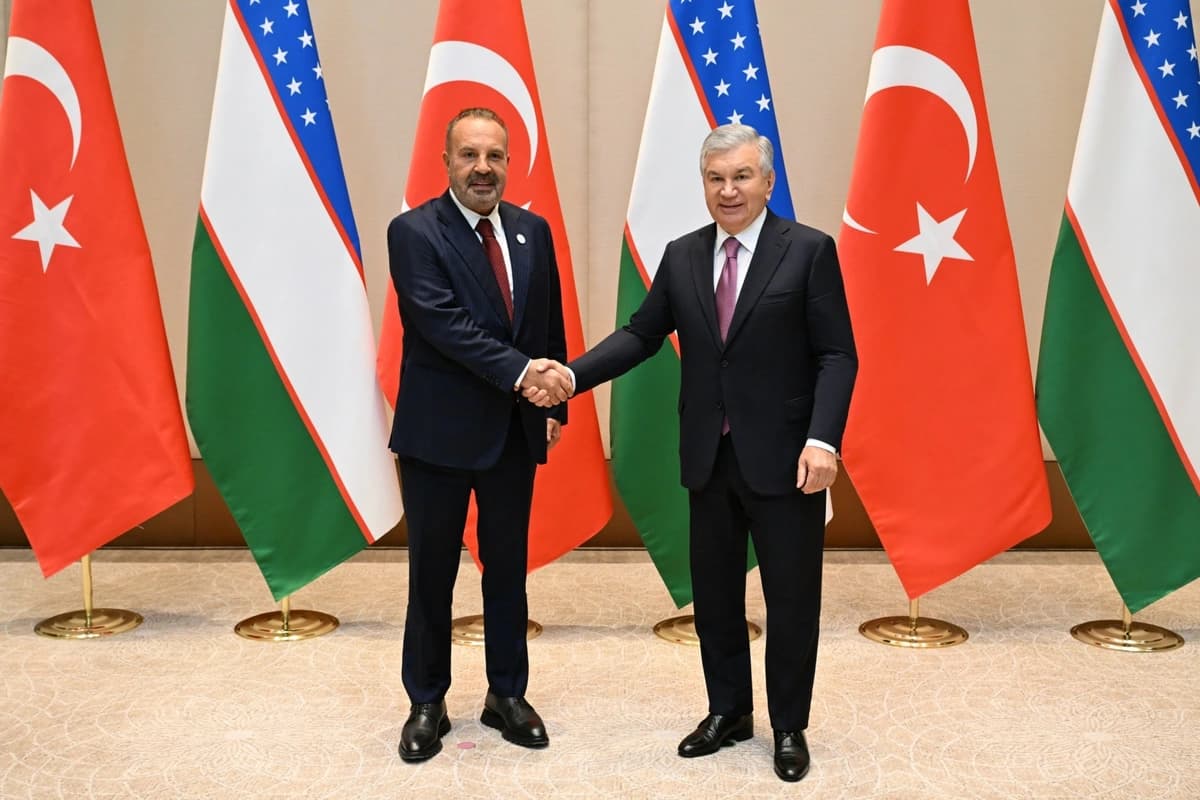
On October 16, President of Uzbekistan Shavkat Mirziyoyev, within the framework of the first meeting of the council of investors of the fuel and energy sector, met with the chairman of the board of directors of the Turkish company Aksa Enerji, Cemil Kazancı. The expansion of cooperation and the company's participation in projects for the development and technological modernization of the energy sector were discussed; according to the presidential press service, the parties agreed to accelerate work on specific projects.
Kazancı's statements
In an interview with the Uzbekistan 24 TV channel, Kazancı said that the meeting discussed agreements for the Tashkent, Syrdarya and Jizzakh regions, which the company plans to sign within a week. In this way, Aksa Enerji intends to expand its power grid management operations, which it began in the Samarkand region. According to him, the company's goal is to invest in distribution networks in order to reduce energy losses, lower its cost and improve the efficiency of energy consumption. 'We were presented with projects that serve the interests of the population. We will study them on an expedited basis and express our proposals. We want to conclude this visit with precise agreements,' he noted. The parameters of the planned agreements and the format of the company's participation in the grids of the three regions were not disclosed in the interview.
The company's current presence in Uzbekistan
According to sources, Aksa Enerji has already invested $750 million in Uzbekistan and built four power plants. Gazeta.uz specifies that the company implemented projects for plants with a total capacity of 740 MW in the Tashkent and Bukhara regions, and in December 2024 a 400 MW plant was launched in the Nishan district of the Kashkadarya region. The company also plans to continue its activities in the fields of electricity and gas distribution.
The Samarkand project
In June 2025, at the Tashkent International Investment Forum, the president announced the transfer of the power grids of the Samarkand region to private management and stated plans to attract private operators to the grids of eight more regions in 2026. In November, the Ministry of Economy and Finance reported that the Samarkand grids would go to Aksa Enerji — the winner of an international tender launched a year earlier with the participation of the International Finance Corporation. Under the agreement, the company manages the grids for 30 years under a public-private partnership model. In its 2025 report, it announced plans to invest $1 billion in their modernization.
Terms and obligations
According to the Ministry of Energy, the private partner must invest at least $350 million in the first 10 years of the project. According to the parameters approved by the president in August, the company must invest a minimum of $27 million in the first two years after the grids are transferred and ensure a reduction in electricity losses. The grids themselves remain in state ownership: 'Regional Electric Grids' retain the right to free use of the assets, while the assets are not transferred to the private partner as property and the right to dispose of them is not granted to it.
Details on the Samarkand region
According to the regional administration's statement of October 9, under the 30-year agreement the investor will direct $1 billion into the region's infrastructure, with $357 million in direct investment to be attracted in the first 12 years. The project provides for the design, financing, construction, operation and maintenance of low-voltage grids. According to the administration, the Turkish side has completed an audit of critical sections and developed 440 projects; the replacement of 1,000 transformers, outdated poles and power lines is planned, and the purchase of mobile generators and special equipment is also being considered.


