The key facts
- On October 5, the Central Bank of Uzbekistan held a round table on fees in banking and payment services.
- The discussion covered Uzcard and Humo tariffs and their impact on banks and end consumers.
- Economist Otabek Bakirov: profits are concentrated with payment systems; he opposes administrative tariff-setting but supports strengthening competition.
Round table at the Central Bank on fees
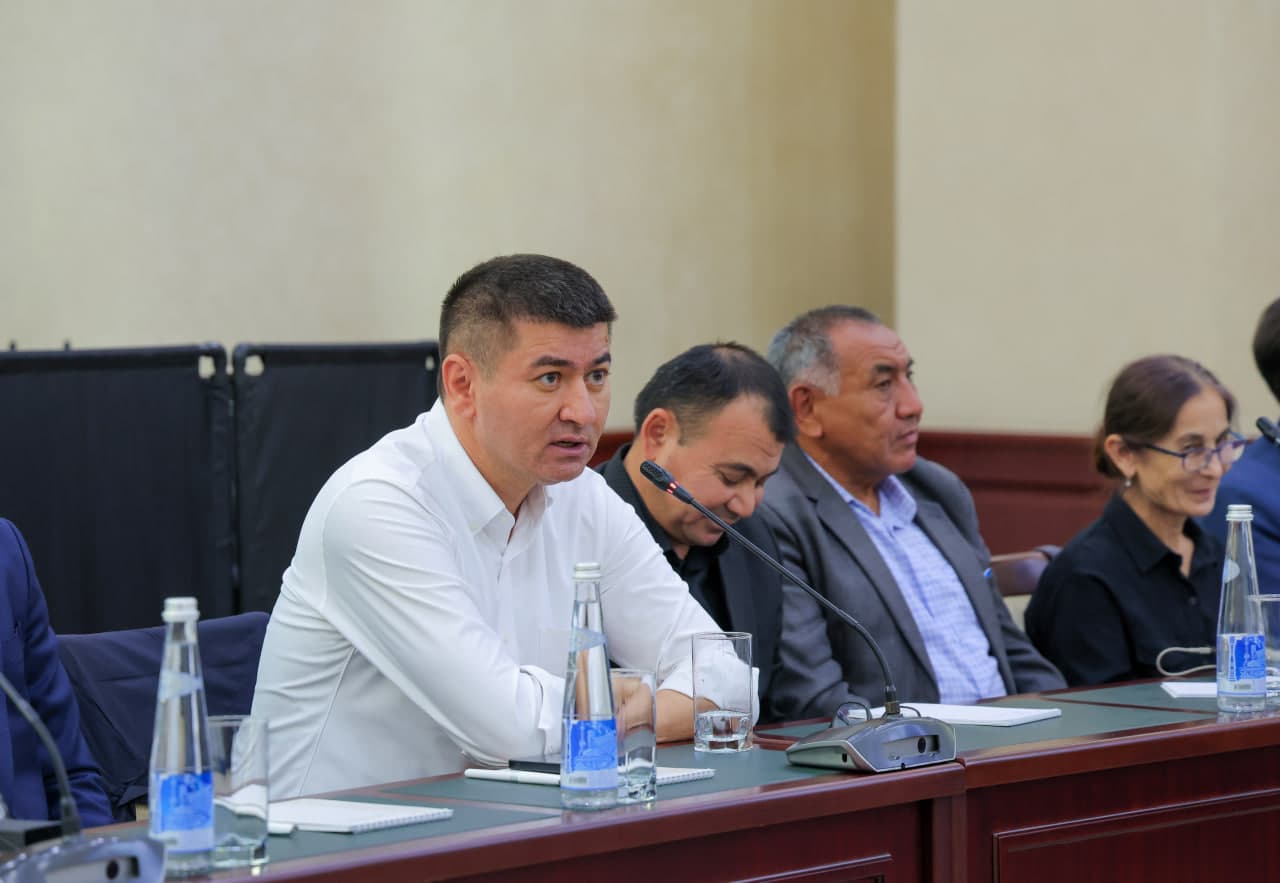
On October 5, the Central Bank of Uzbekistan held a round table dedicated to fees in banking and payment services. It was attended by representatives of commercial banks, payment organizations, payment systems and the media. The discussion concerned how Uzcard and Humo tariffs are formed and how their increase will affect banks and end consumers.
Economist Otabek Bakirov's position
Economist Otabek Bakirov believes that the main topic of discussion should be the fees that consumers pay and the reasons for their growth. According to him, banks and payment organizations talk about minimal income from their services, but attention should be paid to the profitability and tariff policy of payment systems. “One absolutely cannot call the activity of payment systems receiving trillions in profit low-margin,” he noted, referring to the words of one of the National Bank's executives that banks and payment organizations are left with almost nothing. According to Bakirov's assessment, over the past year and a half to two years all the benefits and profitability have accumulated “in the pocket of payment systems,” and it is this issue that the regulator should keep in focus.
Call to strengthen competition rather than introduce tariffs administratively
Bakirov also pointed out that when assessing tariffs, the expansion of the payment market and the growth of turnover must be taken into account: one cannot limit oneself to statements about the growth of only expenses against the backdrop of an increase in transaction volume. He separately emphasized that he is not asking the Central Bank to set fees administratively: the regulator can influence operators by strengthening competition and changing incentives in the market. “Like you, I am not a proponent of the Central Bank setting tariffs. But the Central Bank must always stand on the side of competition and consumers,” Kun.uz quoted the economist as saying.