The key facts
- Ukraine claims the liberation of 277 sq. km in Donbas and 16 settlements over a year of the campaign; 250 Russian servicemen surrendered
- Kyiv reports 8,000 Russian losses during Operation 'Vivaldi' and nearly 50,000 across the entire front in September; Russia does not officially acknowledge the offensive
- Ukraine reported sudden restrictions on Starshield; Musk and the media suggest the decision may have come from the White House
Operation 'Vivaldi' near Lyman
BBC correspondent Dan Johnson visited the area near Lyman in eastern Ukraine, where the Ukrainian counteroffensive operation 'Vivaldi' has concluded. The name reflects the four stages of the offensive — by analogy with the 'seasons' of the Italian composer's violin concertos. According to Kyiv, 277 sq. km (106 sq. miles) have been liberated in Donbas in recent months. The offensive, according to Ukrainian reports, thwarted an attempted Russian enveloping strike that threatened to encircle the cities of the 'Fortress Belt' that remain under Ukrainian control.
Losses and recognition of the offensive
Kyiv claims it inflicted heavy losses on the enemy: 8,000 Russian losses during 'Vivaldi' alone and nearly 50,000 across the entire front in September, with minimal losses of its own. The Institute for the Study of War (ISW) reported that pro-Russian military bloggers acknowledged the advance of Ukrainian troops and expressed concerns about further losses for Russia. Russian officials have not publicly acknowledged the offensive: briefings by the Russian Defense Ministry speak only of 'repelling attacks' in the Lyman area and 'improving the tactical position on the front'.
Drones, robots and Starshield
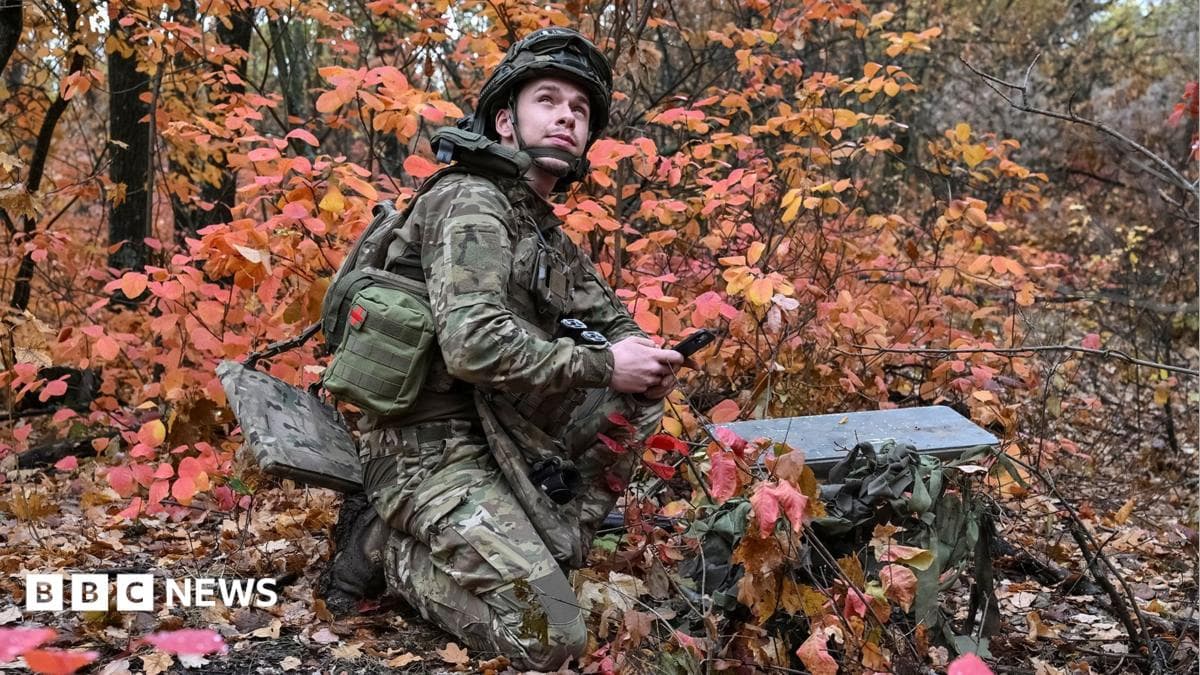
The modern battlefield is built on digital connectivity: a command bunker receives imagery from a hovering drone, Ukrainian interceptor drones shoot down Russian reconnaissance aircraft, and ground drones deliver supplies and evacuate the wounded. The commander of a Silver Trinity unit of the 'Vengeance' brigade, call sign Phoenix, said his fighters encounter an average of 10 Russian drones per day. Starshield — the military version of Elon Musk's Starlink satellite network — plays a key role. At the conclusion of the operation, Ukraine reported that the system had been subjected to restrictions without warning. Musk and the media suggest the order may have come from the White House. Ukraine is not fully dependent on Starshield, but it is important for interceptor drones and medium-range strike drones; the possibility of a sudden shutdown has caused serious concern. In the US, senators have called for an investigation into the Starlink restrictions.
Offensive tactics
Phoenix described the preparation for the offensive as 'enormous': the fighters trained for months and completely restructured their approach, since the unit had previously been on the defensive. Robots and drones led the attack on Russian positions; for the first time, remotely controlled demolition vehicles were sent deep into the Russian rear, after which 250 Russian servicemen surrendered. According to Ukrainian commanders, the year-long campaign liberated 16 settlements. Chief of staff of the 'Vengeance' brigade Andrii Khitt emphasized that the main value of the operation is advantageous positions and a bridgehead for subsequent actions.
Life in the liberated lands
In the liberated village of Karpivka, occupied since April, Ukrainian soldiers found the only remaining resident — 61-year-old Volodymyr Zamota, who had survived eight months in complete isolation after his neighbors fled the Russian offensive in 2025. 'Hope dies last,' he said. 'I am the only person left in the entire village, and the village is almost completely destroyed.' It is still too dangerous for residents to return. An infantryman with the call sign Diler, who served 95 days on the front line, said the unit changed positions four times in three months, and the most terrifying threat was Russian drones. According to him, Operation 'Vivaldi' strengthened his belief that Ukraine can win the war.
Diplomatic backdrop
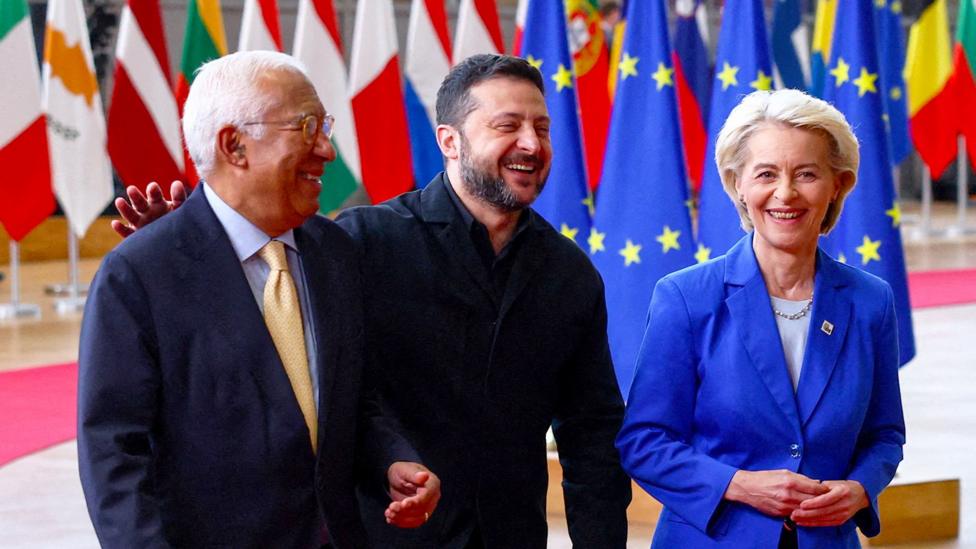
The offensive is taking place against the backdrop of cooling relations between Kyiv and Washington. This week, President Zelensky said he feels 'betrayed' by Donald Trump, and the American leader called himself 'not a fan' of his Ukrainian counterpart, noting that he is harder to deal with than Vladimir Putin. Trump claims that Ukrainian strikes on Russian oil refineries have driven up oil prices; Ukraine blames the US and Israel's war against Iran. Despite the diplomatic disagreements, among the soldiers met by BBC, morale is high.
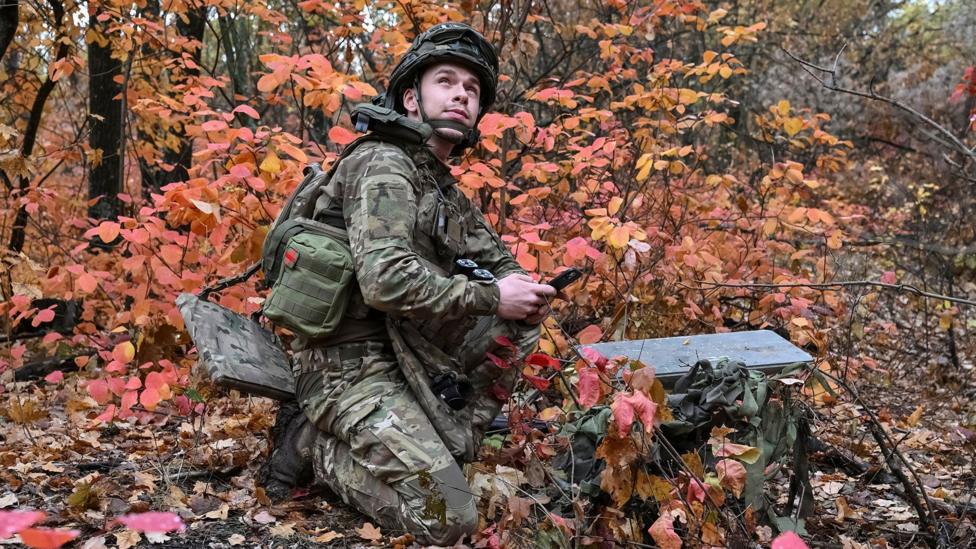 Image source, Reuters
The Starlink system was integrated into Ukraine's Operation Vivaldi, but this week Kyiv said restrictions had been imposed on it without warning
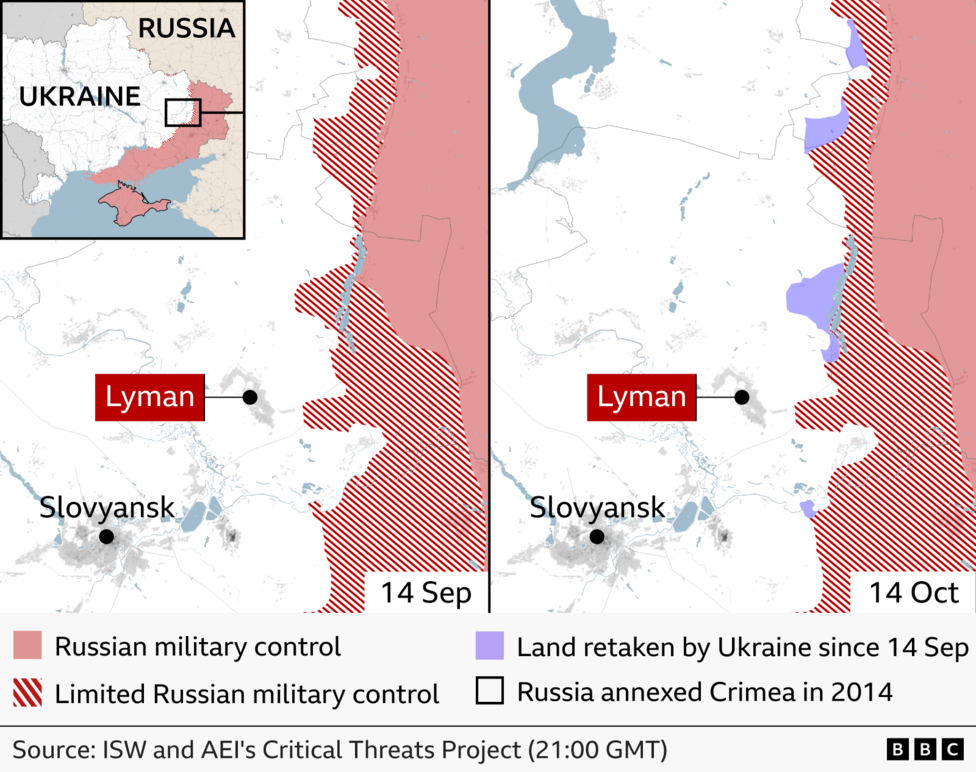
Ukraine's military says it has liberated 277 sq km in the eastern Donbas region
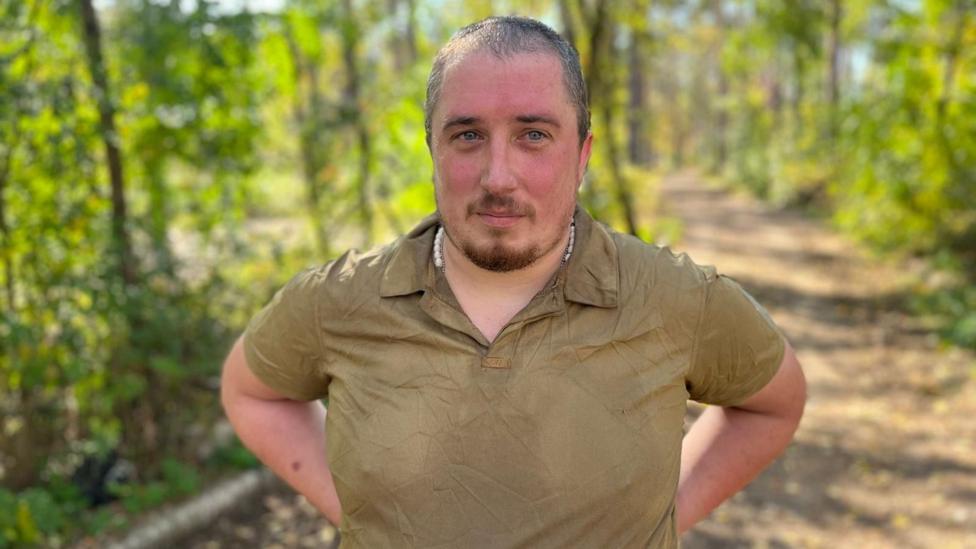 Image source, Matthew Goddard/BBC
Dealer, a soldier in the Revenge Brigade's Silver Trinity unit, just came off the front line
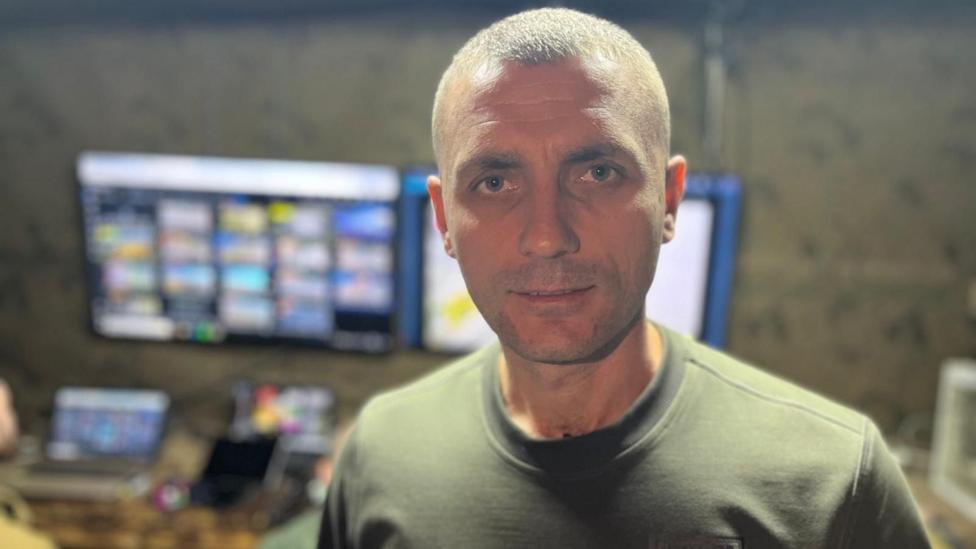 Image source, Matthew Goddard/BBC
Phoenix, Commandant of the Revenge Brigade's Silver Trinity unit
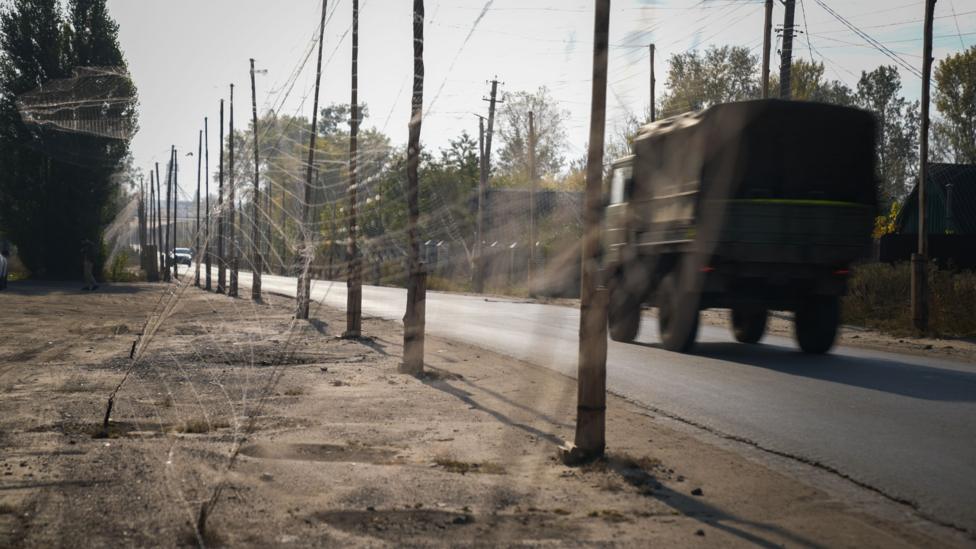 Image source, Matthew Goddard/BBC
Nets now span roads in eastern Ukraine to protect from drones