The key facts
- Ali Kayyali (Mihraan Ural) detained as the 'main suspect' in the massacres of 2–3 May 2013 in Al-Bayda and the Ras al-Nabaa district of Baniyas
- Death tolls vary by estimate: UN — 300–450, HRW — at least 248, SNHR — 459 killed
- Circumstances of the detention differ: SANA reports an attempt to cross the border, SOHR — a capture in Mansouriyah, Lebanon
Detention
Syria's General Intelligence Directorate detained Ali Kayyali, known as Mihraan Ural, a commander of an armed group from the Assad era linked to the 2013 mass killings in Al-Bayda and Baniyas. The state agency SANA reported that he was detained while attempting to cross the border and was named the 'main suspect' in the Baniyas massacres. According to the Syrian Observatory for Human Rights (SOHR), citing unnamed sources, Kayyali was taken from his home in the Mansouriyah area of Lebanon: armed men with Lebanese accents entered the house, detained his wife and brother-in-law, and took him away. Lebanese authorities did not comment on this account. Videos circulated on social media showing mosques in Al-Bayda broadcasting chants of 'Allahu akbar'; those sharing them said residents were celebrating the news of the detention.
The Massacres of 2–3 May 2013
According to a report by the UN Commission of Inquiry on Syria (August 2013), on 2 May 2013 regime forces surrounded Al-Bayda, blocked access routes, shelled the town and entered it together with National Defence Forces fighters. The commission documented arrests and extrajudicial executions of civilians, dozens of bodies in homes and on the streets — some burned, others bearing marks of blows from blunt objects. The next day the operation extended to the Ras al-Nabaa district of Baniyas, where the attackers likewise surrounded the area, prevented residents from leaving via the main roads, shelled it and entered; among those executed were families with children. The UN commission established a link between the two operations and found no signs of armed opposition activity in these areas during the killings. By its estimate, 150–250 civilians were killed in Al-Bayda and 150–200 in Ras al-Nabaa; responsibility for war crimes lay with regime forces and allied groups, including the National Defence Forces. The Syrian Network for Human Rights documented 264 killed in Al-Bayda (36 children, 28 women) and 195 in Ras al-Nabaa (56 children, 43 women). A September 2013 Human Rights Watch report recorded at least 248 killed in the two locations, noting that the real figure was likely higher. Witnesses described bodies in the streets, shops and basements, executions with firearms and bladed weapons, and houses set on fire together with the dead.
Who Is Ali Kayyali
Kayyali, 70, was born in 1956 in Antakya, Turkey. He took part in armed organizations, including the People's Rescue Front in Turkey and the Front for the Liberation of Iskenderun, which Ankara designated as terrorist. In 1982 he fled to Syria, received Syrian citizenship and changed his name; reportedly, through his wife he established close ties with the Assad family. With the start of the civil war in 2011 he led the 'Syrian Resistance' group (according to other sources — the Popular Front for the Liberation of Iskenderun), which fought on the side of regime forces, mainly on the coast, as well as in rural areas of Latakia, Aleppo and Idlib.
Context: Pursuit of the Accused
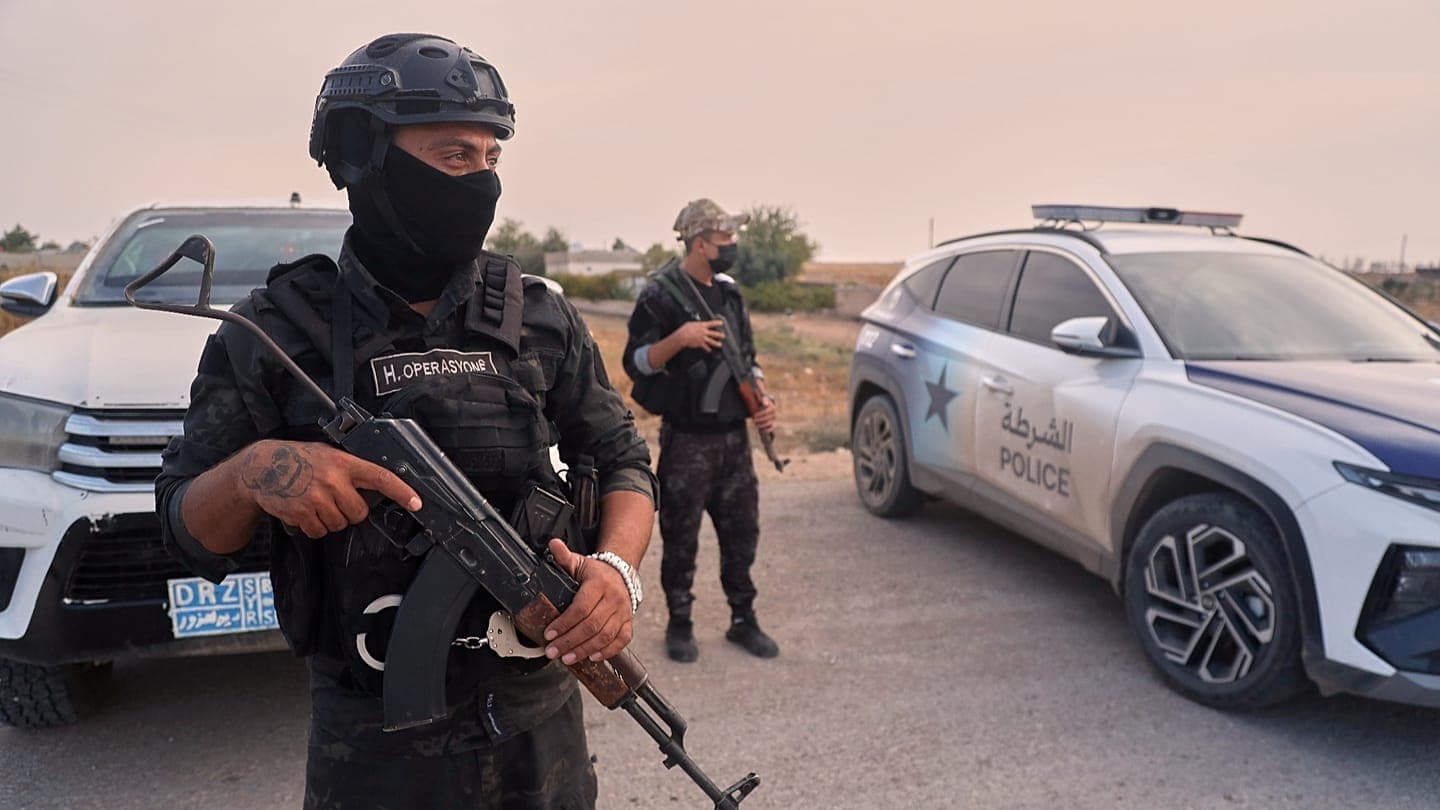
Kayyali's detention came 11 days after the arrest of his deputy in the 'Syrian Resistance', Jamal Trabelsi, detained on 4 October by Syrian internal security forces. Syria's Ministry of Interior stated that Trabelsi had taken part in combat operations in support of the former regime, including the massacres in Al-Bayda and Ras al-Nabaa, as well as battles in rural areas of Hama, Idlib and Aleppo. Earlier this month, Turkish authorities reported a separate arrest of Omar al-Khatib while he was attempting to reach Europe by sea; media identify him as one of the organizers of the Reyhanli bombing and say he coordinated with intelligence operatives of the Assad era. Syria's Ministry of Interior stated that it continues to pursue persons accused of abuses under the former regime as part of transitional justice. In May, residents of Baniyas and its surroundings marked the anniversary of the massacre, demanding accountability for those responsible and answers about the fate of the missing.