The key facts
- General Randy George warned of THAAD and Patriot shortages in late December, two months before the war with Iran; in April Hegseth suspended him from duty.
- According to CSIS estimates, the US expended between 1,050 and 1,430 Patriot interceptors out of ~2,300 and between 190 and 290 THAAD out of ~355 in the conflict.
- The Pentagon rejects reports of shortages: “Claims of ammunition shortages are false,” said Sean Parnell.
Warning two months before the war
The suspended US Army chief of staff General Randy George warned even before the start of the American-Israeli war against Iran that US missile defense stocks were critically low and their restoration could take until 2030, CBS News reports citing American officials. George presented his assessment in late December — two months before the start of the conflict. In April, already during the war, Defense Secretary Pete Hegseth suspended him from duty.
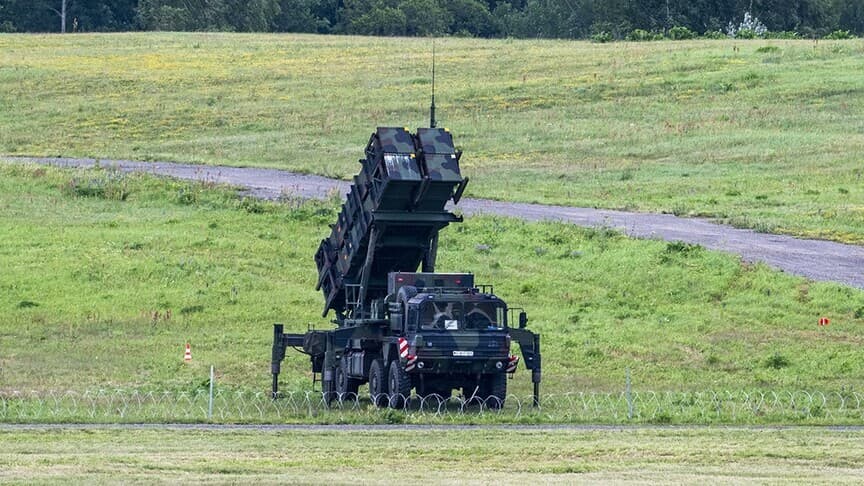
THAAD and Patriot shortage
The general's assessment, included in the Pentagon's force distribution planning for fiscal year 2027, pointed to a shortage of THAAD interceptors and Patriot missiles, with their stocks, according to the forecast, remaining at strategically low levels until 2030. Officials linked the shortage to weapons supplies to Ukraine, military support for Israel, and limited production capacity of the defense industry.
Expenditures during the conflict
The war with Iran further depleted stocks. According to the Center for Strategic and International Studies (CSIS), the US entered 2026 with approximately 2,300 Patriot interceptors and expended between 1,050 and 1,430 in the conflict. The pre-war THAAD stock was about 355 interceptors, of which, by estimates, between 190 and 290 were spent.
Risks and restoration timelines
Retired Marine Corps colonel and senior CSIS adviser Mark Cancian told CBS News that these systems will be critically important in a potential conflict with China: “Air defense — missile defense — is going to be huge,” he explained, noting that a major confrontation with Beijing would require significant interceptor stocks. Replenishing stocks is a lengthy process: according to CSIS estimates, fulfilling contracts for new THAAD interceptors takes more than four years, and orders for Patriot PAC-3 average three and a half years.
Pentagon denies shortage
The Pentagon rejected claims of a shortage. Chief spokesman Sean Parnell told CBS News: “Claims of US ammunition shortages are false.” He added that Washington retains “everything necessary to strike at the time and place of the president's choosing.”


