The key facts
- The ban is in effect until the end of 2026 and covers medicine, hairdressing, cosmetology, retail trade, and physical culture
- Exemptions — citizens of the EAEU (Belarus, Kazakhstan, Armenia, Kyrgyzstan) and foreigners with a work permit
- Employers have been given a deadline of December 15; a similar ban was previously introduced for taxi drivers and couriers
New restrictions for those working on patents
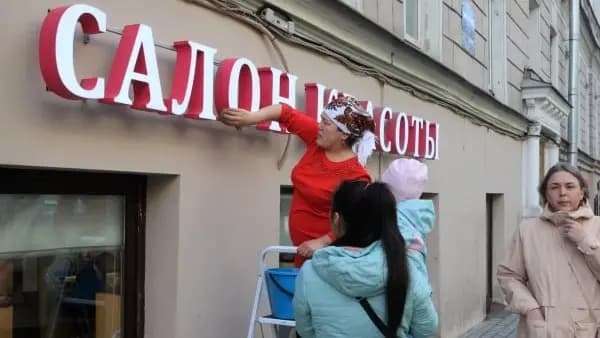
The administration of St. Petersburg has banned foreign citizens working on the basis of a work patent from engaging in a number of types of activity. According to Daryo.uz, citing Meduza, the restrictions affect medicine, hairdressing, cosmetology, retail trade, and physical culture. The press service of the city administration, as reported by Zamon.uz, clarified that the list covers retail stores, beauty salons, hairdressing salons, massage parlors, and certain areas of medicine, as well as physical culture and wellness services.
Who is not covered by the ban
The restrictions do not apply to citizens of the member states of the Eurasian Economic Union: Belarus, Kazakhstan, Armenia, and Kyrgyzstan. Also exempt from the ban are foreigners holding a special work permit; Zamon.uz clarifies that this refers to highly qualified specialists.
Deadlines and the authorities' justification
By decision of Governor Alexander Beglov, the restrictions are in effect until the end of 2026. Employers have been given a deadline of December 15 to bring their employment activities into compliance with the new requirements. The city administration explains the measures as a fight against informal employment, ensuring legality in the labor market, and preserving jobs for citizens of Russia, including young people and students.
Previous restrictions and context
In 2025, the city already introduced a similar ban for taxi drivers and couriers working on patents; these restrictions have also been extended until 2026. According to Zamon.uz, in December 2025 Beglov signed the corresponding decree. Sources link the overall tightening of the migration policy of the Russian authorities to the terrorist attack at the Crocus City Hall in the Moscow region in March 2024. After it, as the publications note, a number of new rules were introduced in the country: obtaining a residence permit through a simplified procedure via marriage was restricted, a new deportation regime was approved, and a ban was introduced on admitting migrant children who do not speak Russian to schools.


