The key facts
- Met launched the Operation Amicus pilot: a two-officer female team works with 80 street sex workers in north London
- Simon Levie received a whole-life sentence in August for killing two women and raping a third; police and prosecutors apologised for the failures
- Rights advocates and researchers argue criminalisation deters victims from reporting violence; Met promises to expand the project if successful
A new approach after tragedy
The Metropolitan Police must move away from criminalising women involved in street sex work — this was the statement made by police officers in an interview with the BBC following the Simon Levie case. Levie, a convicted sex offender, was able to kill two women and rape a third due to a series of failures, including police errors — all of them were vulnerable and sometimes engaged in street sex work. In response, Met launched the Operation Amicus pilot: a team of two plainclothes female officers patrols north London to build trust and encourage women to report crimes committed against them.
Context: law and practice
Sex work is legal in the UK, except in Northern Ireland, but related activities — soliciting in public places (street sex work), working together, keeping brothels, pimping and advertising services — are illegal. Street sex workers are also frequently pursued under anti-social behaviour laws. Many women in need of protection fear arrest and do not trust the police.
What project officers see
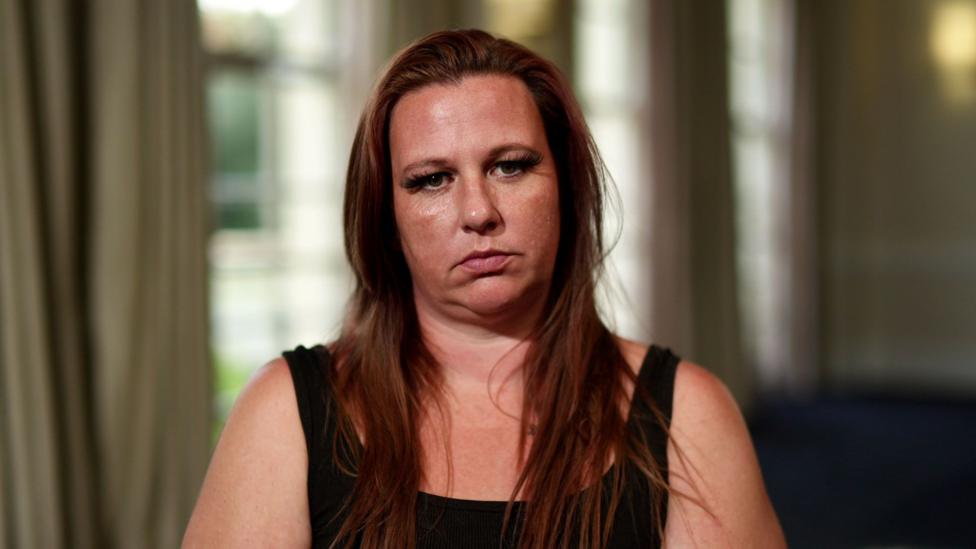
The BBC joined the patrol of two female officers (their names are not disclosed). They work with a cohort of 80 women in the area engaged in street sex work and describe an 'endemic' level of male violence. 'Every single one reported something — rape, beatings, assault in one form or another,' said one of them. According to the officers, some women are too frightened to report violence, and some 'expect rape and sexual harassment from clients — it has become the norm,' so they see no point in coming forward. The officers consider criminalisation unfair when women are 'simply trying to survive,' but at the same time acknowledge residents' concerns and the need to combat organised crime.
The Levie case
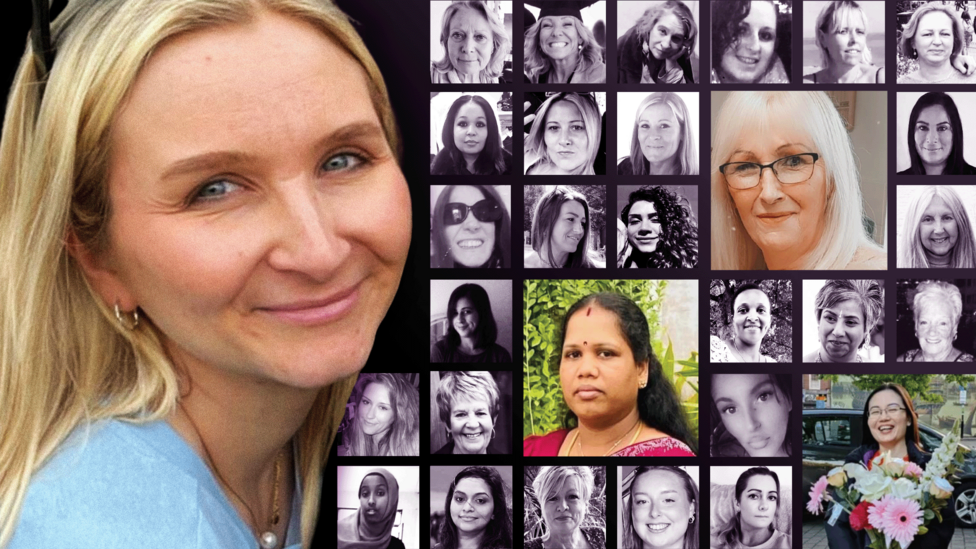
Simon Levie from Tottenham received a whole-life sentence in August. He has convictions for attacks on 13 women — on London transport, at music events and even in prison. He killed Carmens Valencia-Trujillo in March 2025 and Cheryl Wilkins five months later. Before that, in January 2025, he raped a third woman; she disclosed what had happened when Met officers arrested her for an alleged breach of a public protection order, but the police failed to properly process the report and closed the case. It was only reopened after the murders committed on the same car park where the rape took place. The survivor said that 'no one ever listened to me' and that officers spoke to her 'like a child.' Met and the Crown Prosecution Service apologised for a series of decisions that left Levie at large.
Testimonies and reaction
Superintendent Rob Gibbs called the new team 'an acknowledgement that we needed to change the way we work.' In his words, women 'get stuck in the criminal justice system' because of minor offences, which leads to continued sex work, and this cycle needs to be broken; he also noted that street sex workers are at 'the sharpest edge of violence against women and girls.' The BBC spoke to a woman named Alisa for identity protection: she said two men attacked her this year, and she begged doctors in hospital not to call the police out of fear of arrest. Met reports that the team has already improved protection and increased the number of reports of rape and sexual offences. However, the English Collective of Prostitutes (ECP), which campaigns for decriminalisation, said the police have historically prioritised pursuing sex workers over investigating violence against them. ECP caseworker Laura Watson described an 'intense and aggressive police crackdown' in north London, which led to 'fairly aggressive arrests of women' in Enfield and Haringey, and said women 'describe absolute terror of the police.' Professor Kate Brown of the University of York noted that such teams 'can genuinely affect safety and access to justice, but only if properly organised,' yet 'cannot fix a system that continues to pursue and criminalise sex workers'; her research centre collaborates with 12 of the 43 police forces in England and Wales. Met said that if the project succeeds, the approach will be extended across the entire police force. A Home Office spokesperson emphasised commitment to the goal of halving violence against women and girls within a decade and the expectation that the police will treat all victims with dignity.
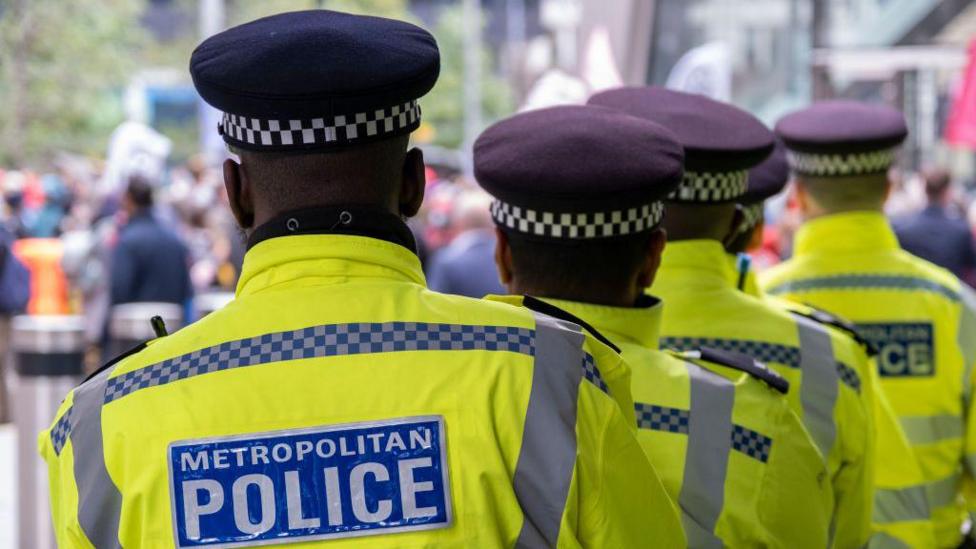 Image source, Getty Images
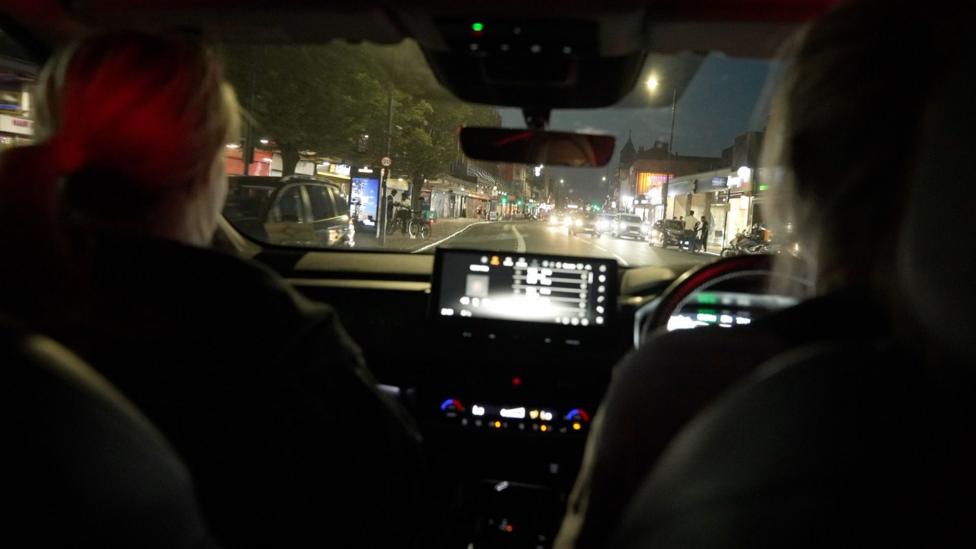
The Met is piloting a new two-officer female team in north London to engage with street sex workers
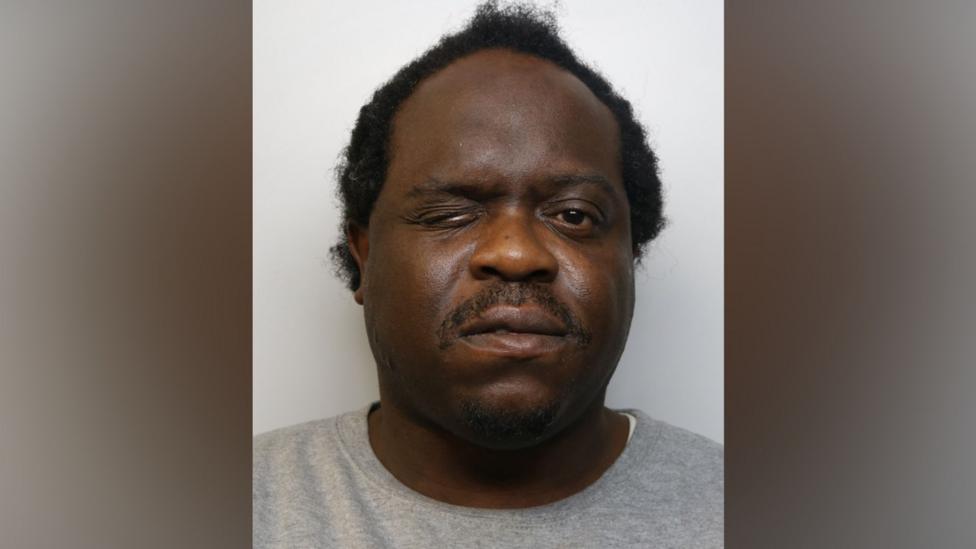
Simon Levy, from Tottenham, was given a whole-life term in August
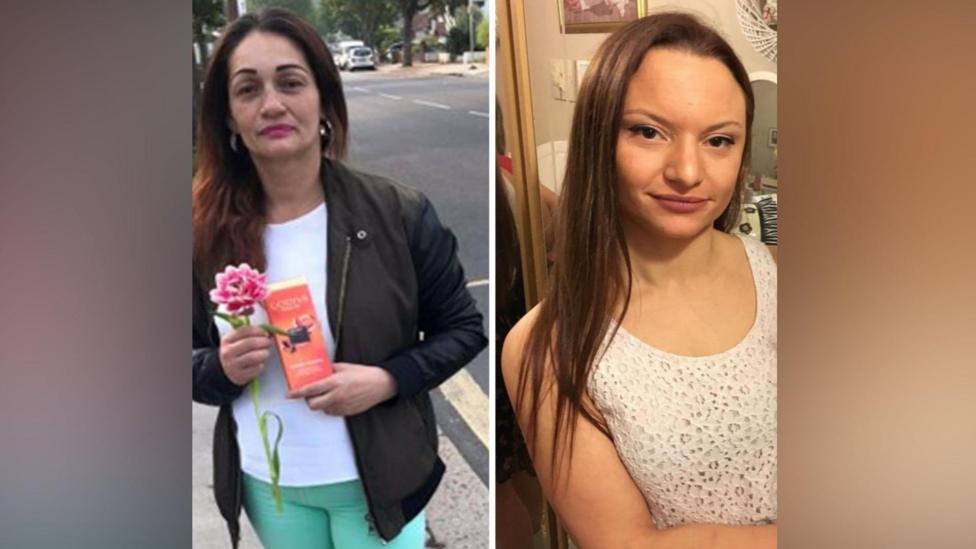 Image source, Met Police
Carmenza Valencia-Trujillo and Sheryl Wilkins were both murdered by Levy
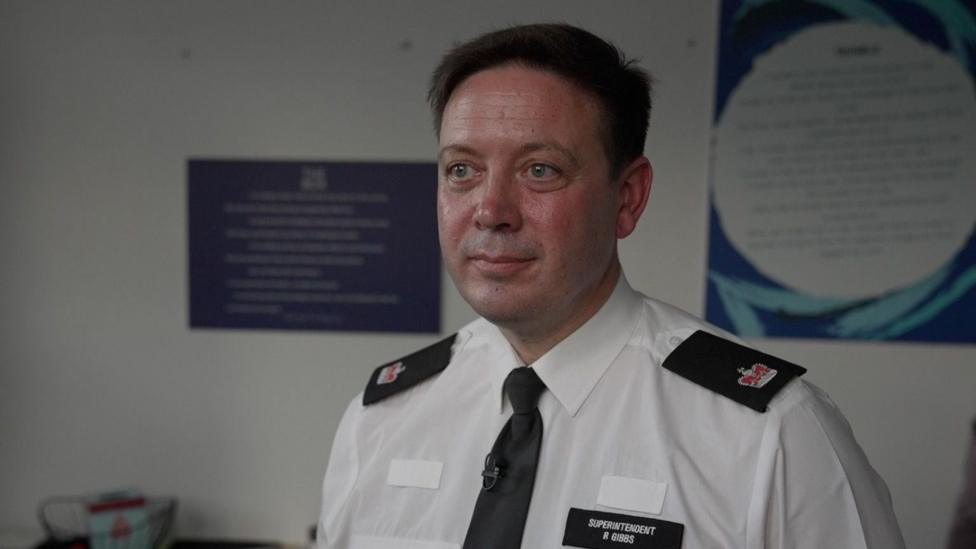
Supt Rob Gibbs says the new team is "an acknowledgement that we needed to change the way in which we were working"
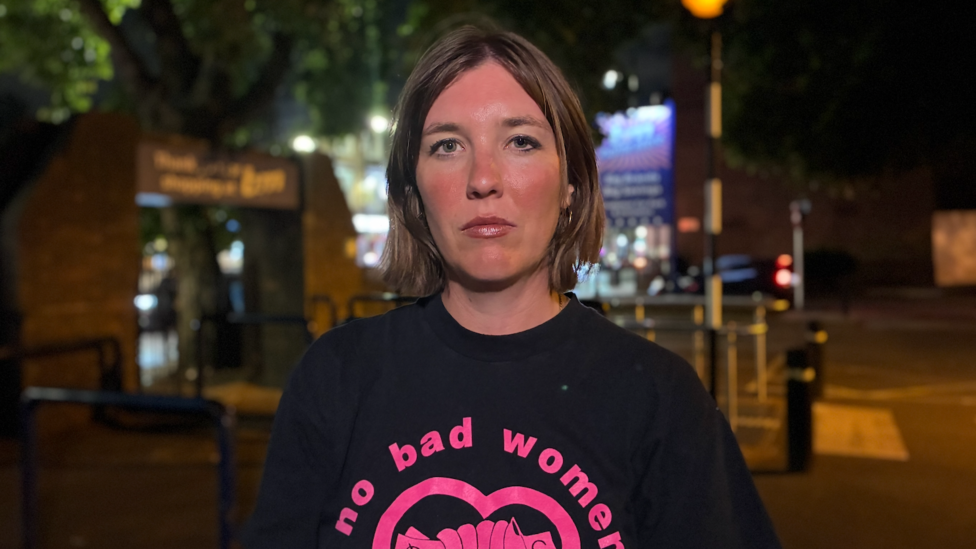
Laura Watson, a caseworker from the English Collective of Prostitutes, said a crackdown in north London had led to "quite aggressive arrests of women"