The key facts
- Merz: the positions of the 27 countries on the budget from 2028 differ widely
- Germany and several other countries demand cuts to the European Commission's proposals; a broader group wants the budget expanded
- Merz considers an EU budget increase of roughly 50% financially unfeasible; additional summits possible in November and December
Disagreements at the Brussels summit
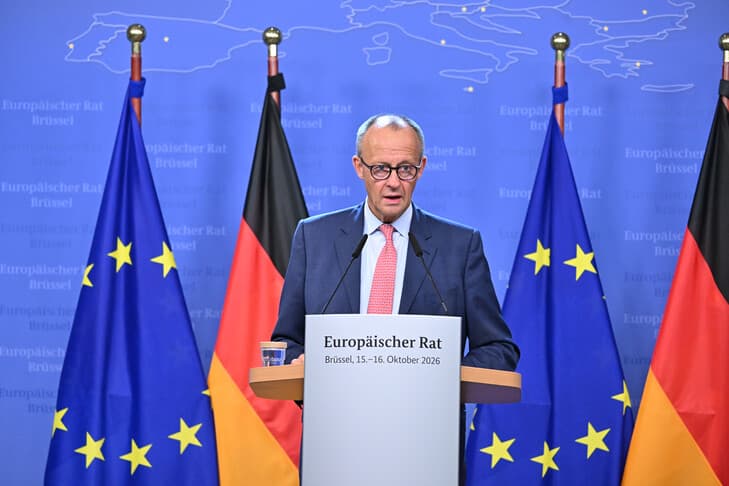
German Chancellor Friedrich Merz said on Friday, October 16, that the leaders of the European Union remain deeply divided over the bloc's next seven-year budget, which will take effect in 2028. Speaking after the second day of the meeting of EU heads of state and government in Brussels, he noted that the 27 member states hold very different positions on the spending plan.
Two groups of countries
According to Merz, 'a smaller group, which includes Germany, believes that we must substantially cut the European budget compared with the European Commission's proposals.' A broader group of countries takes the opposite position and, on the contrary, advocates expanding the budget, the chancellor added.
Germany's position
From Berlin's point of view, the figures proposed by the European Commission need to be reduced further. Merz stressed that all member states face tighter budget policy at the national level, so a sharp increase in EU spending is unrealistic. 'It is simply untenable for the European budget to increase by roughly 50% — that is financially unfeasible. And given the national contributions, no one can afford it,' he warned.
Prospects for an agreement
Merz said the leaders face detailed discussions: an additional European Council meeting will likely take place in November, followed by multi-day negotiations in December. 'I remain hopeful that we will manage to put the European budget for the years from 2028 in order with a unanimous decision of the Council,' the chancellor said, adding that 'whether that will succeed, I simply cannot say today: there are still far too many conflicting views.'