The key facts
- Italy extended border controls with Spain by a week; both countries' measures now expire on October 22
- The decision followed a meeting between Meloni and Sánchez on the sidelines of the EU summit in Brussels
- In the first month, almost 500,000 people were checked, 31 were denied entry
One-week extension and alignment of measures
Italy has extended the suspension of the Schengen Agreement for travellers arriving from Spain by another week, government sources told the ANSA news agency. The purpose of the extension is to align Italy's measures with the latest border checks introduced by Spain. Madrid recently extended temporary controls on arrivals from Italy by air and sea for 15 days, until October 22. According to euronews, as a result, both countries' measures are now aligned and expire on the same day.
Origin of the dispute
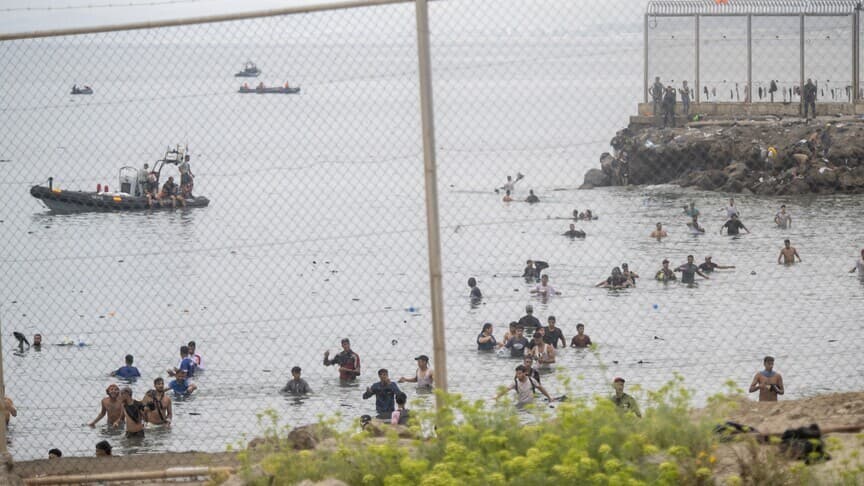
Italy introduced border controls for arrivals from Spain after the mass arrival at the end of July of migrants into the Spanish North African enclave of Ceuta from Morocco. Publications differ on the figures: Anadolu reports about 72,000 people, euronews almost 90,000. The dates of the Spanish response also differ: Anadolu indicates August 8, while euronews cites August 1 as the date Italy introduced its controls. Madrid formally justified its countermeasures by migration pressure on the central Mediterranean route and unauthorised onward movements from Italy to other Schengen countries, including Spain. According to euronews, Italy extended the checks three times for 15 days each, effectively suspending the free movement regime with Spain; Spain responded with mirror measures, considering the Italian checks unjustified.
Negotiations and the Meloni–Sánchez meeting
The decision to extend by only seven days, according to a diplomat interviewed by euronews, followed a personal meeting between Italian Prime Minister Giorgia Meloni and her Spanish counterpart Pedro Sánchez on the sidelines of the EU summit in Brussels. ANSA sources report that the interior ministers of the two countries will hold talks in the coming days on ending the border checks. According to Italian and Spanish diplomatic sources, next week the ministers are to work out alternative measures. Checks are carried out selectively at airports and ports, since there is no land border between the countries.
Check statistics
According to Italy's interior minister, in the first month of border controls almost 500,000 people were checked, and 31 of them, including eight Moroccan citizens, were denied entry. The minister did not specify whether they had arrived in Spain as part of the mass influx into Ceuta. According to the Spanish government, irregular migrants did not move from Ceuta to mainland Spain.
EU summit context
Meloni, who leads a right-wing government, and Sánchez, leader of the centre-left, have repeatedly disagreed on migration policy. On Friday at the EU summit, where migration is once again on the agenda, they were set to find themselves on opposite sides during a strategic discussion over lunch. Among the topics is Spain's plan to legalise around 600,000 migrants who are in the country illegally: a number of countries fear a possible 'domino effect' in the EU and that the measure could become a 'pull factor' for new irregular migrants.


