The key facts
- Signs with a business's name and type of activity are not considered outdoor advertising — no advertising place passport is needed
- Advertising on transport owned by legal entities is arranged via a notification on EPIGU; the passport is generated automatically without a fee
- Dismantling — with notice two days in advance, on working days from 09:00 to 18:00, with a report drawn up in the owner's presence
What has changed
The Cabinet of Ministers of Uzbekistan adopted a resolution on 13 October introducing changes to government decisions regulating the outdoor advertising market (amendments are made to the Cabinet of Ministers resolution of 20 February 2020 No. 104). The changes were reported by the Competition Committee and several publications. The document takes into account the Competition Committee's proposals to revise the procedure for placing advertising objects in favour of entrepreneurs.
Signs are no longer advertising
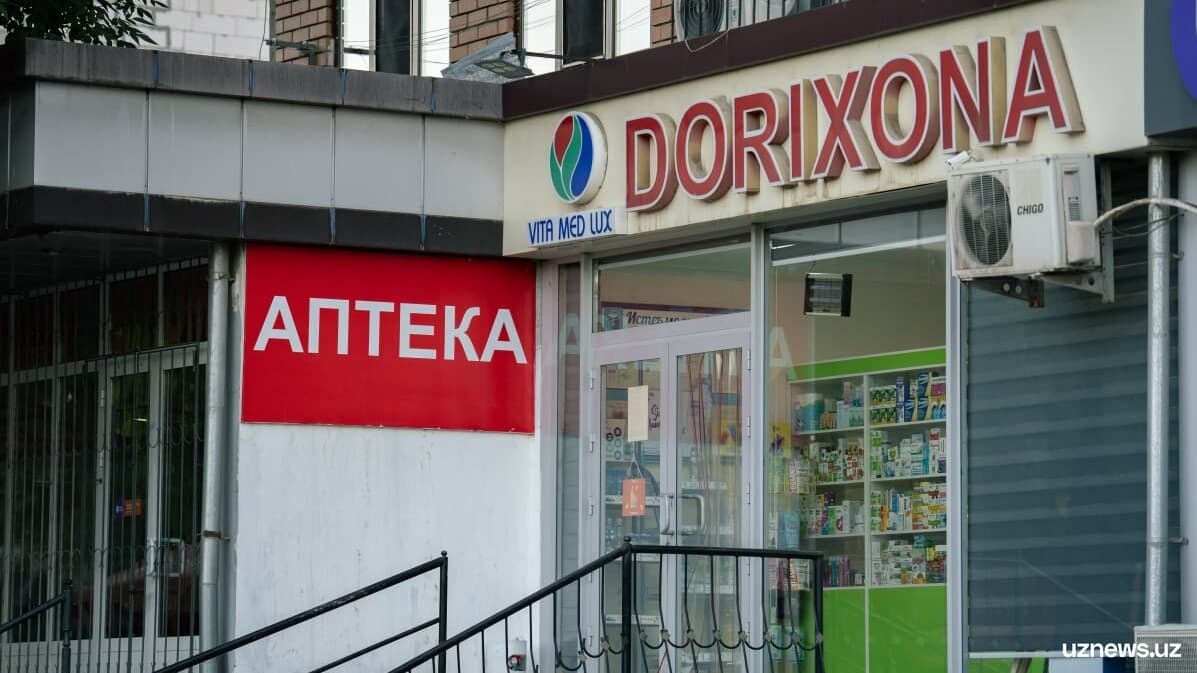
Information structures placed on the exterior of a building or structure occupied by an entrepreneur — including on the entrance part — indicating the name and type of business activity are no longer classified as outdoor advertising. This applies to the company name, trademark or service mark regardless of the number of such designations and their size. Such signs do not require an advertising place passport.
Transport and short-term advertising
The placement of advertising on transport owned by legal entities has been simplified: it is enough to submit an electronic notification via EPIGU, after which the advertising place passport is generated automatically, without charging a fee. If false information is detected or third-party trademarks are used, the passport is annulled and the company is sent a reasoned letter. It also became possible to voluntarily renounce the passport via EPIGU — the information is transmitted to the tax authorities. Deadlines for short-term advertising have been clarified: at construction sites — until the completion of construction; for holidays and events — no more than 30 calendar days.
Design code and dismantling
Changes to city design codes are now allowed only after public discussion, including on the regulation.gov.uz portal (SOVAZ), and take effect three months after official publication. Design codes must provide for the possibility of using registered trademarks on signs. By 10 December 2026, the khokimiyat of Tashkent, together with the Chamber of Commerce and Industry and other organisations, must hold a discussion of the capital's design code with the participation of businesses and the media, and then submit changes for consideration by the Tashkent city kengash. A procedure for forced dismantling has also been established: the date and time of dismantling must be announced on the website no later than two days in advance, and the owner is sent a written notification. The work is carried out by organisations selected through an open competition, only on working days from 09:00 to 18:00. Upon completion, a report is drawn up in the presence of the owner, indicating the date, time, reason for dismantling, photographs and the storage address of the structure; the information is posted in the 'Outdoor Advertising' monitoring system. If the owner is unknown or refuses to sign the report, it is signed by the mahalla chairman. Local authorities and special organisations are not responsible for the condition of dismantled structures whose owner is unknown. Decisions and notifications are also sent to entrepreneurs in writing to their legal address; public oversight is carried out through the 'Xalq nazorati' portal.
Context
In May 2026, the issue of placing signs and brand marks was discussed at a meeting chaired by the president following several high-profile incidents in the capital. The head of state then proposed not to classify information about the name of a business entity and its type of activity on a building as advertising, and also to abolish the practice of issuing the relevant passports. Earlier, Spot.uz also reported on a proposal to abolish the triple electricity tariff for signs.


