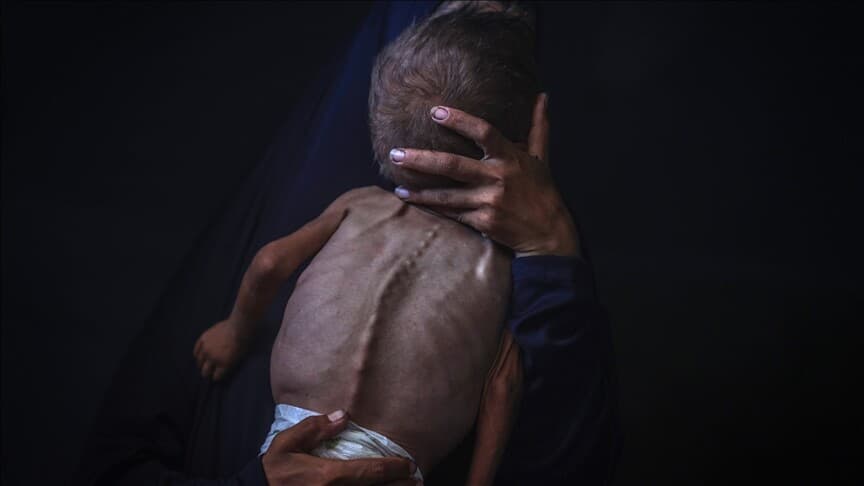
The key facts
- 466 deaths from hunger since 2024, including 157 children and 189 elderly (40.5%)
- More than 158,000 cases of acute malnutrition among children under 5 between 2024 and August 2026
- More than 1.4 million people (67% of the population) will face crisis-level food insecurity by the end of 2026
Data from the Gaza Health Ministry
The Gaza Health Ministry reported on Friday, October 16 — World Food Day — that at least 466 Palestinians, including 157 children, have died from malnutrition and hunger since 2024. According to the ministry, 189 of the dead were elderly people, accounting for 40.5% of the total. In August 2025, the UN declared famine in Gaza.
Scale of malnutrition
From 2024 to August 2026, more than 158,000 cases of acute malnutrition were recorded among children under 5. According to the ministry, 18% of these children suffered from severe, life-threatening acute malnutrition, and 12.2% showed developmental delay due to lack of nutrition. Mortality among children under 5 rose from 13.6 to 33.4 per 1,000 live births between 2022 and 2025. The ministry estimates that 74,200 children will require treatment for acute malnutrition by April 2027.
Impact on pregnant women
The prevalence of anemia among pregnant women rose to 61% in 2026, compared with 41% before the war. In the first half of 2026, about 4,000 cases of pregnancy loss were recorded — more than three times the figure for the previous six months. 'Every third pregnancy in Gaza is now classified as high-risk,' the ministry stated, adding that the consequences of the food crisis are increasingly affecting mothers and unborn children.
Restrictions on aid deliveries
According to Palestinian authorities and human rights organizations, Israeli authorities have used hunger as a weapon since October 2023. In March 2025, Israel tightened restrictions at crossings, blocking thousands of aid trucks. At the end of May 2025, according to the Gaza authorities' media office, the first 87 trucks were allowed through after 81 days of blockade. Aid subsequently arrived in limited amounts and with interruptions until February 2026, when, under a ceasefire agreement, Israel allowed a limited increase in deliveries. According to the Gaza media office, Israel allowed through only about 34% of the agreed trucks with humanitarian aid, and Palestinian officials spoke of a shortage of basic food products.
Calls for international action
'The right to food is a fundamental human right that does not cease to apply during war,' the ministry stated, calling on the international community and the UN to ensure the safe, sustained and unrestricted entry of food, therapeutic nutrition and medicines into Gaza, with priority for children, pregnant and breastfeeding women, and the elderly. The ministry also called for support in restoring local food production. According to its data, the war has destroyed farmland, food production facilities and water networks, while repeated displacement, loss of income and rising prices have increased families' dependence on humanitarian aid amid irregular access to it.


