The key facts
- Frederiksen asked the European Commission to examine Spain's plan to legalize 600,000 migrants
- Spain last January legalized the status of about 500,000 undocumented migrants
- Denmark sees the plan as a 'pull factor'; it is not mentioned in the draft summit conclusions
Denmark demands a review of the Spanish plan
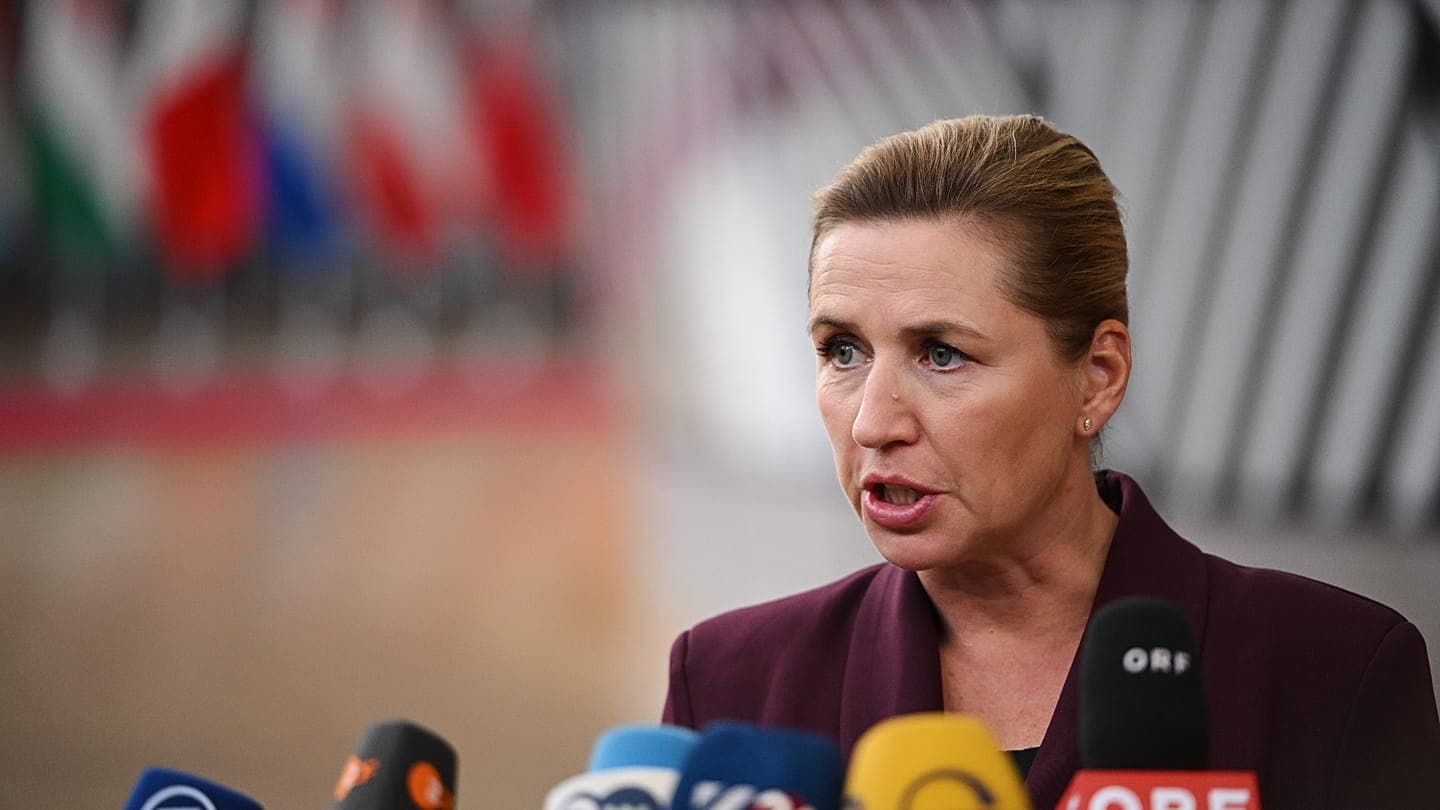
Danish Prime Minister Mette Frederiksen on Friday, at the start of the second day of the EU leaders' summit, called on the European Commission to examine Spain's plan to legalize the status of 600,000 irregular migrants. 'I have asked the European Commission to look into what happens when one country does practically the exact opposite of what all the rest of us are doing,' she said. According to her, the Spanish step 'runs counter to the migration policy that today is supported by the overwhelming majority in Europe.'
Madrid's position
Last January, Spain adopted a decree regulating the status of roughly 500,000 undocumented migrants. Prime Minister Pedro Sánchez then described a migration model 'based on human rights, integration, coexistence, and compatible with economic growth and social cohesion.' Frederiksen and Sánchez belong to the same broad socialist political family, which traditionally takes a more liberal stance on migration, yet their positions on this issue diverge.
Disputes at the summit
On Friday, during the EU leaders' working lunch, a heated debate on migration is expected. In the latest draft of the summit's conclusions, Spain's plan is not mentioned. Denmark views it as a potential 'pull factor' capable of attracting more irregular migrants to Europe. 'Denmark tried to introduce exotic amendments into the summit conclusions,' a diplomat from another EU country told Euronews.
An ongoing conflict
This is not the first clash between Sánchez and Frederiksen over the migration agenda. According to the diplomat, at the previous EU summit in June the leaders allegedly had a harsh exchange of remarks, and Italian Prime Minister Giorgia Meloni backed Frederiksen. Frederiksen and Meloni are part of a group of countries pushing for tougher measures against irregular migration. Denmark is also working, together with Germany, Austria, Greece and the Netherlands, on creating the first return center outside the EU for people whose asylum claims have been rejected.