The key facts
- Wales has the worst result among the four UK nations in Pisa 2025; the gap with England is roughly two years of schooling
- Critics point to weak accountability and school freedom under the new curriculum; minister Lynne Neagle called the results 'shocking'
- Plaid Cymru promises a curriculum review, more phonics and progress tracking, without radical change
A new school amid old problems
In early September, 940 pupils and staff of the Catholic school Saint Carlo Acutis in Merthyr Tydfil moved into a £50 million complex with a rooftop garden and solar panels. The move coincided with the publication of the international Pisa test results, in which Wales once again came last among the UK nations. Head teacher Sarah Hopkins, who has led the school for eight years, called the results 'disappointing', noting that they do not reflect all the work schools do.
The gap is widening
Pisa assesses the skills of 15-year-olds in reading, maths and science; in 2025, 3,406 teenagers were tested in Wales. According to the OECD, 20 points is roughly equal to a year of schooling — meaning Welsh pupils lag behind their English peers by about two years in all three areas, and in reading by a year behind Scotland and Northern Ireland as well. Wales has taken part since 2006; after the pandemic in 2022 it fell back more than anyone, and the gap grew in the latest results. Education Secretary Lynne Neagle said the results were 'not where we want them to be'; others called them catastrophic.
A path of its own and its critics
Since devolution, Wales has followed a course separate from Westminster: it abolished school league tables and standardised tests. Weak Pisa 2010 results forced minister Leighton Andrews to declare a 'wake-up' and bring back tests and school 'banding', but over time these measures were weakened. Former England schools minister Sir Nick Gibb believes the main cause is weak accountability and points to England's success with structured phonics. Consultant Lucy Crehan criticises the new curriculum, which gives schools almost complete freedom: in her view, this will increase inconsistency and hit the least advantaged pupils hardest, although teachers themselves are not to blame — 'the system has let them down'.
Structural questions
Wales has no academies or free schools — schools are run by 22 local councils. Former First Minister Carwyn Jones calls his failure to reduce their number his main regret and speaks of a 'structural problem': the government sets policy but does not run the schools. Economist Luke Sibieta (IFS) notes that disadvantaged pupils in Wales perform worse than comparable ones in England, but Wales shares the overall downward trend with France, Germany, Italy and Spain — unlike England.
Plaid Cymru's plan
For the first time, Wales is not governed by the Labour Party: the government is Plaid Cymru. At the conference, Neagle called the Pisa results 'brawychus' — 'shocking' — but proposed no radical changes. She reaffirmed her commitment to the new curriculum, promising a review of it, clearer milestones for measuring progress, stronger phonics and attainment tracking in primary school, noting that the focus on literacy and numeracy had 'got lost in the noise' of the reforms. The next Pisa will take place in 2029 — by then the curriculum will be fully implemented. Sibieta warns that weak skills among young people mean fewer quality jobs, 'which has consequences for all of us'. Hopkins remains optimistic: 'there will come a time when Wales leads the way'.

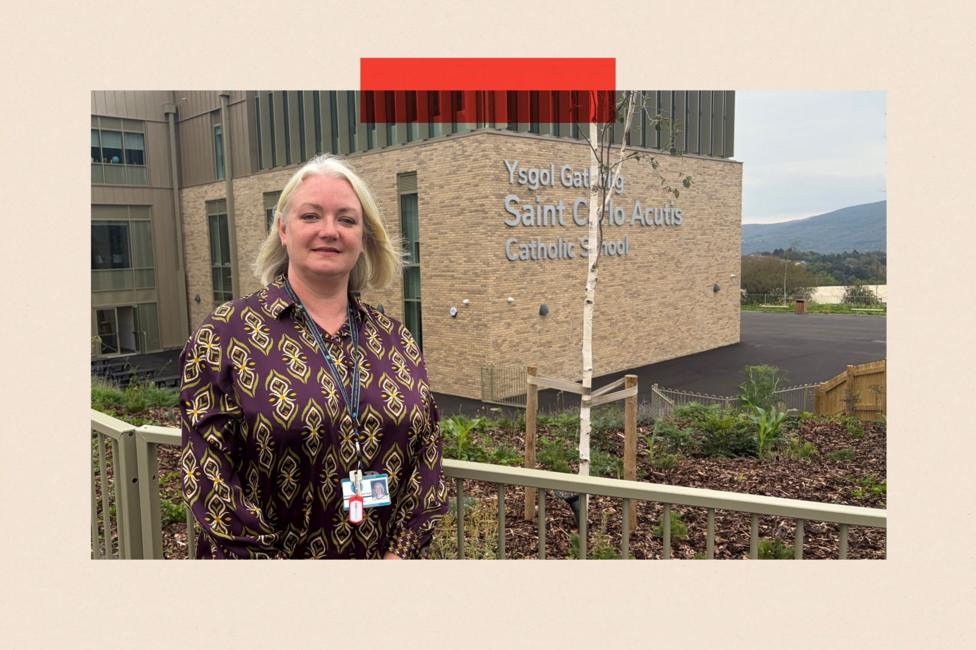
Sarah Hopkins describes the Wales Pisa results as "disappointing"
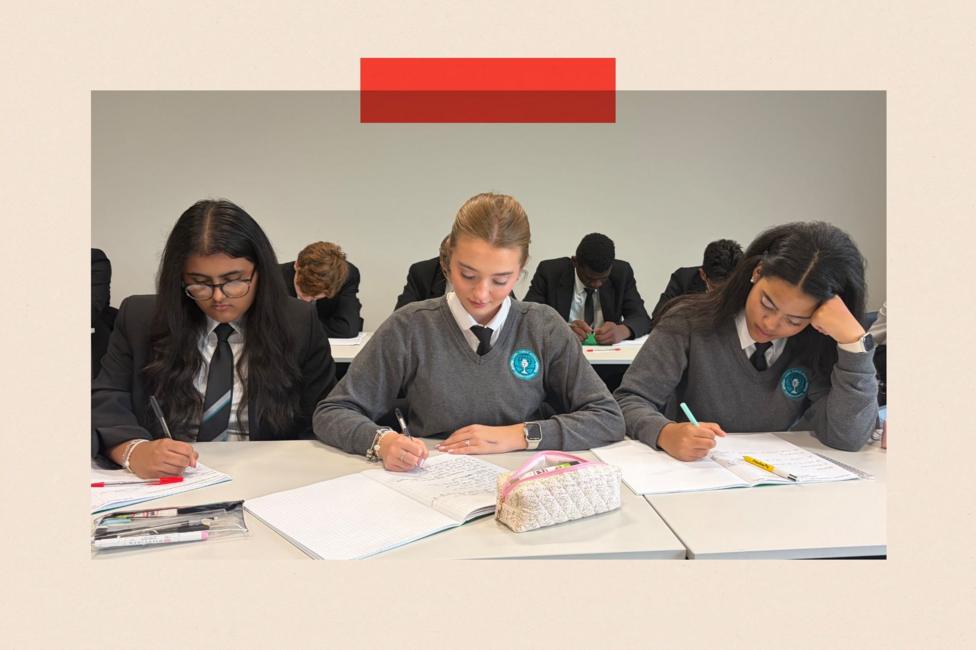
Pupils at Saint Carlo Acutis Catholic School are studying in a brand-new building
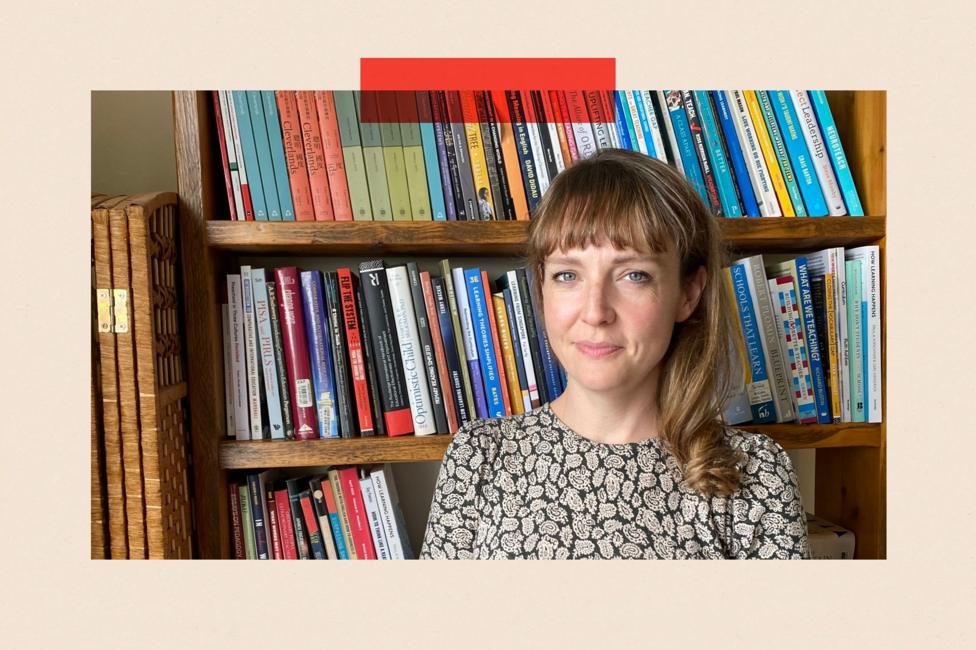 Image source, Lucy Crehan
Lucy Crehan is sceptical that the new curriculum will make things better
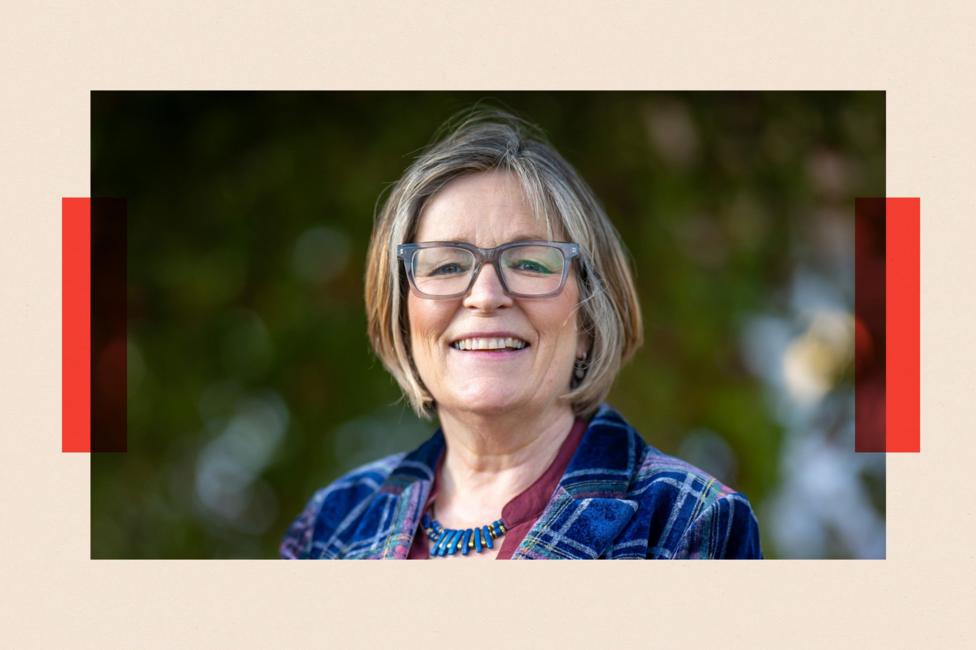 Image source, Getty Images
Wales' education Minister Anna Brychan says the Pisa results are not good