The key facts
- From Thursday, Eritrean diplomats are barred from travelling more than 60 km from London without permission; fast-track visas for VIPs have been cancelled
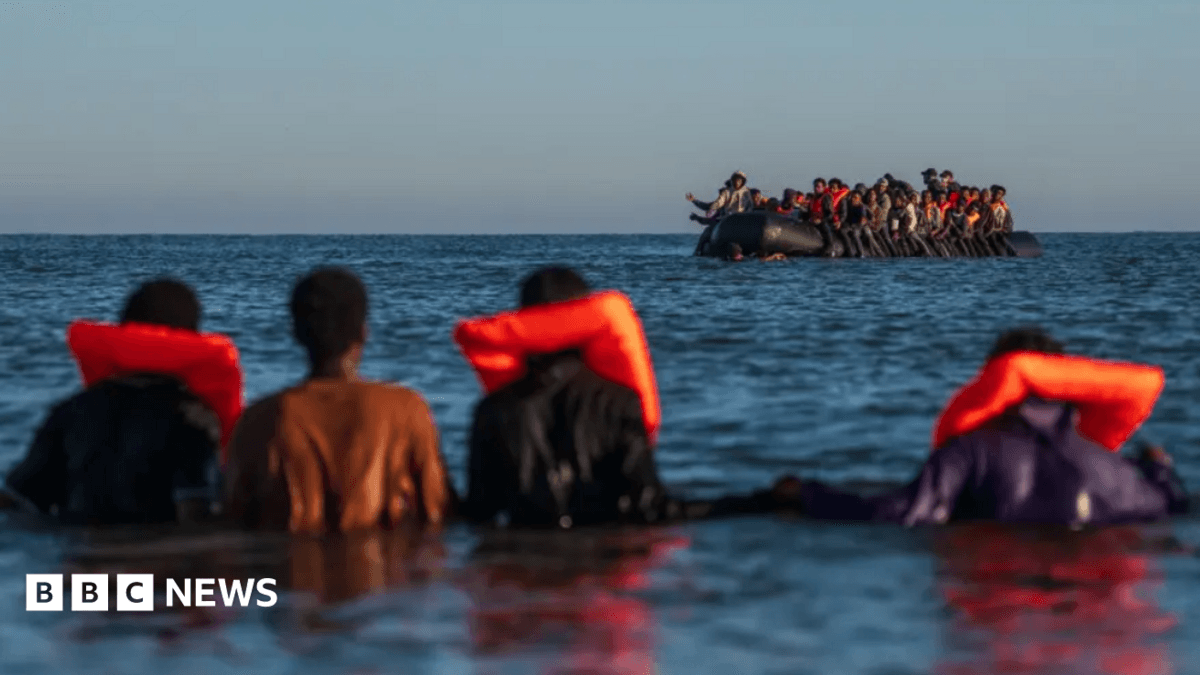
- Eritreans were the most numerous nationality among small-boat arrivals: 18% in the year to June, more than 5,800 people
- An Oxford expert doubts the measure's effectiveness: 84% of Eritrean asylum applications are granted
London imposes restrictions and threatens a full ban
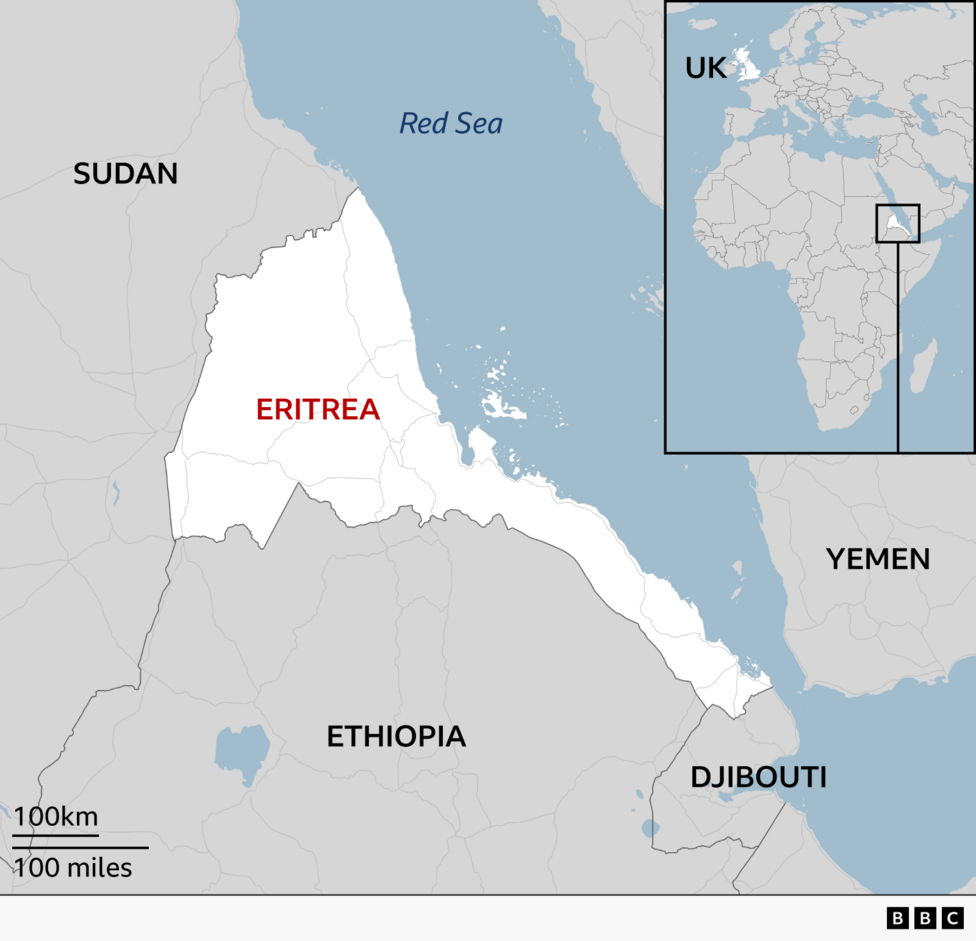
UK Home Secretary Shabana Mahmood said she will ban all Eritrean citizens from entering the country if the authorities of this East African state do not agree to accept more returned migrants arriving on small boats, as well as foreigners who have committed crimes. From Thursday, Eritrean diplomats are barred from travelling more than 60 km from London without permission, and fast-track visas for VIPs have been cancelled. The Home Office said these measures mirror the restrictions in place for British officials in Eritrea's capital, Asmara. London has previously applied threats of visa restrictions to Angola, Namibia and the DR Congo; Angola and Namibia agreed to changes before sanctions were introduced, and restrictions against the DR Congo were lifted after cooperation improved.
Asmara's reaction and the Home Office's response
Eritrea called the move a 'superficial political trick', saying that Britain has not issued a single visa to an Eritrean official since 2023, which the Home Office denies. The Eritrean embassy in London also accused the British side of refusing 'meaningful dialogue', of failing to disclose information about returned criminals serving prison sentences, and of describing returns as voluntary 'when they clearly are not'. The Home Office responded that the Eritrean government's comments 'misrepresent the UK's position' and said that in August 2026 one Eritrean official was granted an exemption from immigration control. According to sources, London hopes to restore cooperation. Mahmood said: 'Eritrea has had ample opportunity to accept the return of criminals and those with no right to be in the UK. Unlike other countries, it has refused,' adding that she would not hesitate to take 'further measures against other countries that refuse to cooperate'. According to the British government, Asmara 'abruptly' ended cooperation earlier this year.
Scale of the problem and expert scepticism
According to the House of Commons Library, Eritreans were the most numerous nationality among small-boat arrivals in the 12 months to June — 18% of the total. Over the same period, more than 5,800 Eritreans arrived in the UK by boat, and around 1,300 more were granted visas, mostly for family reunification. Only seven people were returned to Eritrea itself, while a further 244 Eritreans were returned to other countries. Madeleine Sumption, director of the Migration Observatory at the University of Oxford, believes the measure will have little effect: over the past year there were about 7,000 asylum applications from Eritreans (roughly 8% of the total), with 84% granted at the initial stage, and most applicants 'are not subject to removal at all'. She also noted that the government may avoid sanctions against countries such as Pakistan and Bangladesh, where the number of unreturned refused asylum seekers is higher, so as not to harm trade ties and flows of students and work visas.
Context: the situation in Eritrea and UK statistics
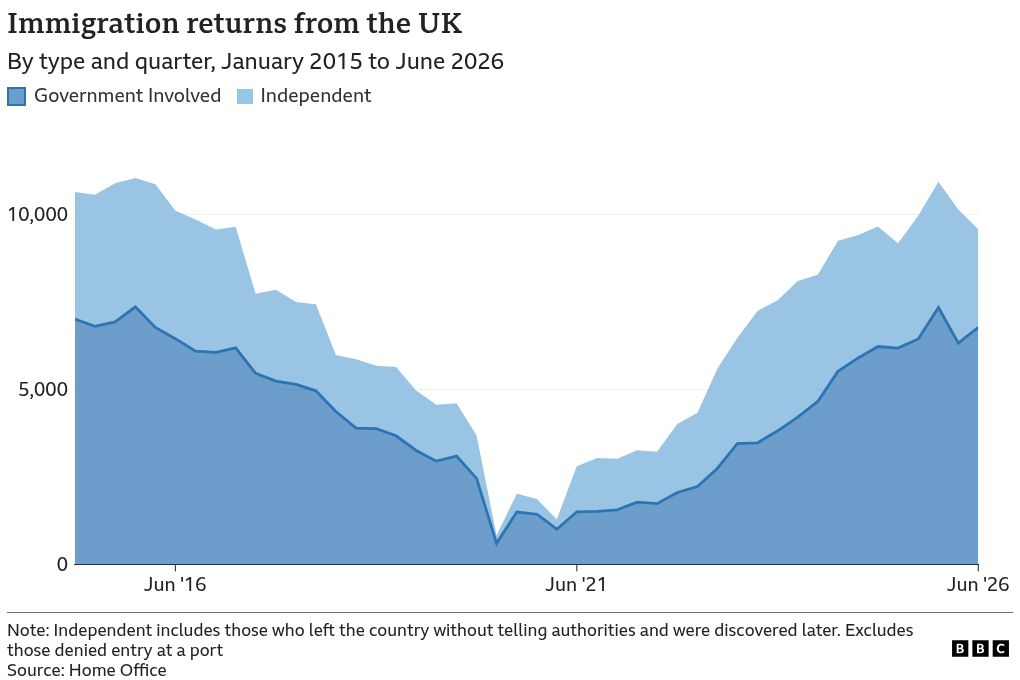
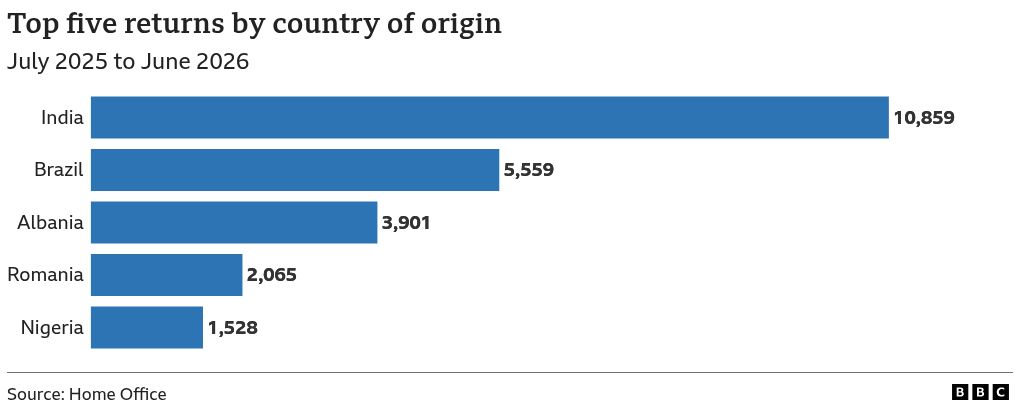
Human Rights Watch accuses the Eritrean government of widespread repression, including forced labour, conscription into military service and restrictions on freedom of speech. Many young Eritreans leave the country to avoid military service, which can last decades. Eritrea is a one-party state that has not held elections since gaining independence from Ethiopia in 1993; there are no independent media, and critics of President Isaias Afwerki have been imprisoned for years, often without trial. Only four religions are permitted. According to the Home Office, more than 20,400 people have arrived in the UK on small boats since the start of this year — 40% fewer than in the same period last year. From July 2025 to June 2026, more than 40,600 people were returned or deported from the country (an 8% increase), of whom fewer than 6,000 had been convicted of crimes; 27% of those returned were Indian nationals. Until September, an 'one in, one out' scheme with France was in operation, under which 1,087 people had been returned by 30 June 2026.
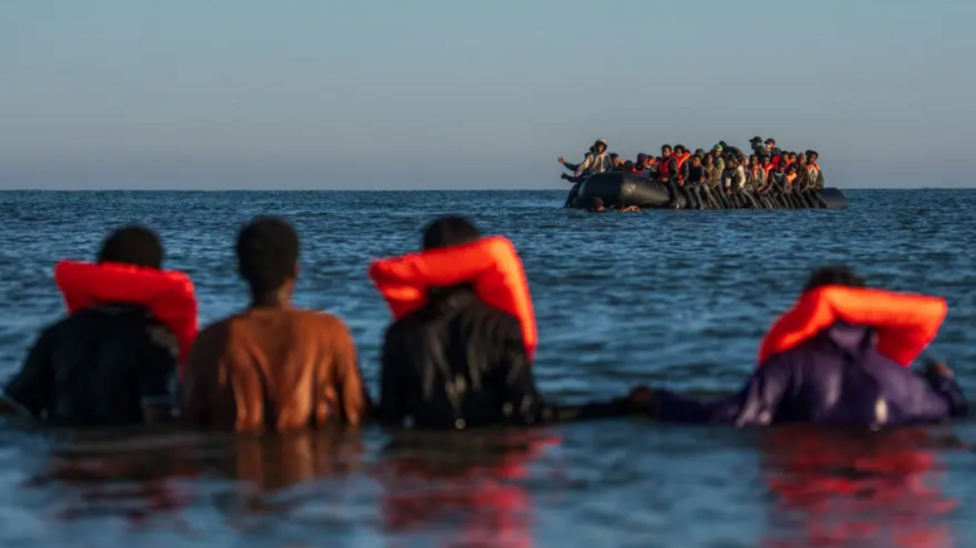 Image source, Getty Images