The key facts
- TimeTeller is a saliva test for determining circadian rhythm; the founder is physicist and molecular biologist Angela Relogio
- The long-term goal is optimizing the timing of cancer therapy; calculating medication timing is done only in clinical studies
- A partnership with Techniker Krankenkasse (12 million insured) is expanding; the startup presented at TechCrunch Disrupt 2026
A test to determine your internal clock
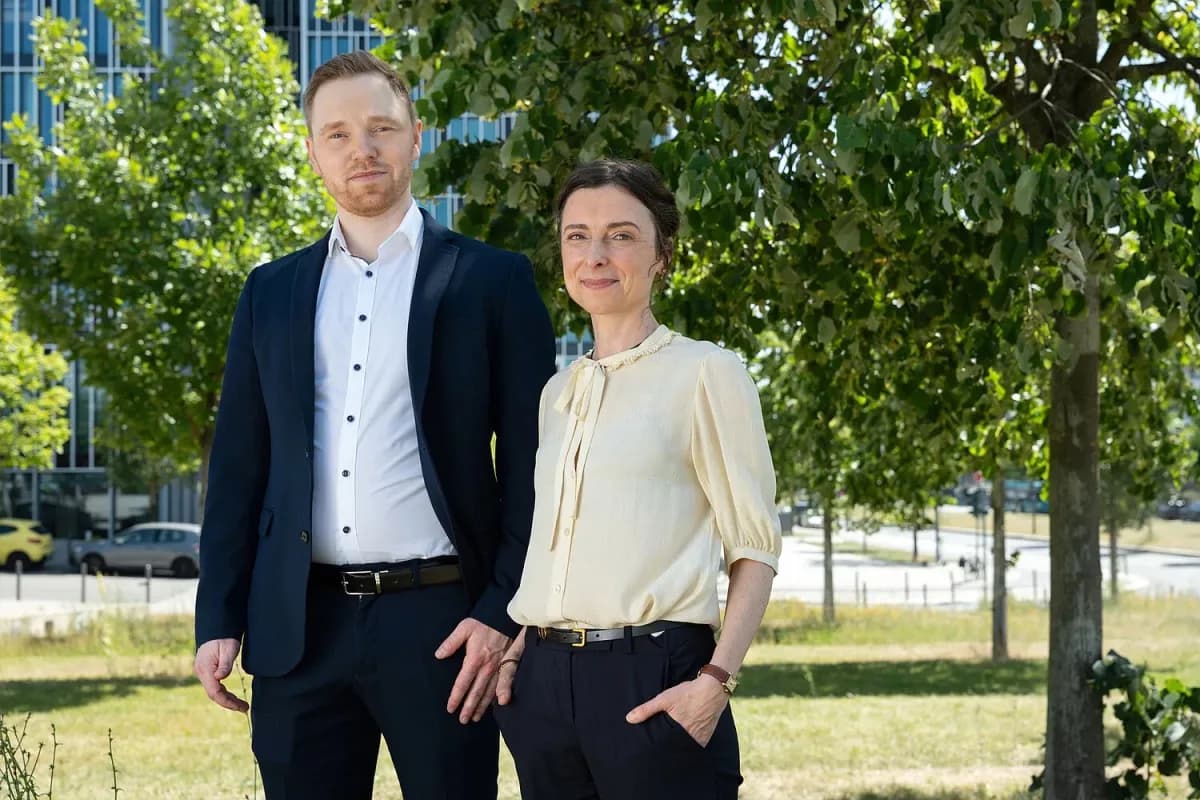
German startup TimeTeller has developed an at-home saliva testing kit that helps a person understand their circadian rhythm. The company is led by Angela Relogio, a physicist-engineer and molecular biologist who spent years working on oncology, circadian rhythm biology, and systems medicine in Germany before leaving academia. TechCrunch notes the contrast with disgraced Theranos founder Elizabeth Holmes: Relogio is cautious in assessing the test's capabilities.
Oncology as the core mission
The idea emerged during cancer research: Relogio noticed that many patients interrupted or began treatment because of side effects. "As a scientist, it was simply unbearable for me to watch, especially when I was convinced that part of the problem might lie not only in what treatment we give, but when we give it," she said. The long-term goal is to determine when cancer treatment will be better tolerated and more effective, and far more precisely than the division into "larks" and "owls." At the same time, Relogio warns that the direct-to-consumer kit will not help patients determine the optimal timing of medication on their own. "That is something we have to calculate for each individual drug; we do this in the context of clinical studies," she noted. She personally financed the first patent so that the discovery would not remain confined to scientific publications.
Company growth and the insurance partnership
The startup spun out of Berlin's Charité university clinic and then moved to Medical School Hamburg, which provided access to patients, funding, and a fallback option — employment for the 10-person team if the company could not pay them. The co-founder became biochemist and go-to-market specialist Benjamin Dose. TimeTeller partnered with Techniker Krankenkasse, one of Germany's largest insurers: initially the insurer reimbursed the cost of the test for some cancer patients, and according to Relogio, the parties are ready to expand the program to more of the 12 million insured. The startup began direct sales due to demand from longevity clinics that use circadian rhythm data for personalized recommendations on sleep, nutrition, light exposure, and physical activity. Beyond cancer, the test is potentially applicable to metabolic diseases (such as diabetes), neurodegenerative diseases (such as Alzheimer's disease), productivity, and women's health.
Appearance at Disrupt
On October 14, 2026, Relogio spoke at the TechCrunch Disrupt conference in San Francisco as part of the Startup Battlefield competition. She outlined the company's broader ambitions: a future in which the question of "when" becomes central to precision medicine, because, in her words, "almost every process in our body has its own time."